
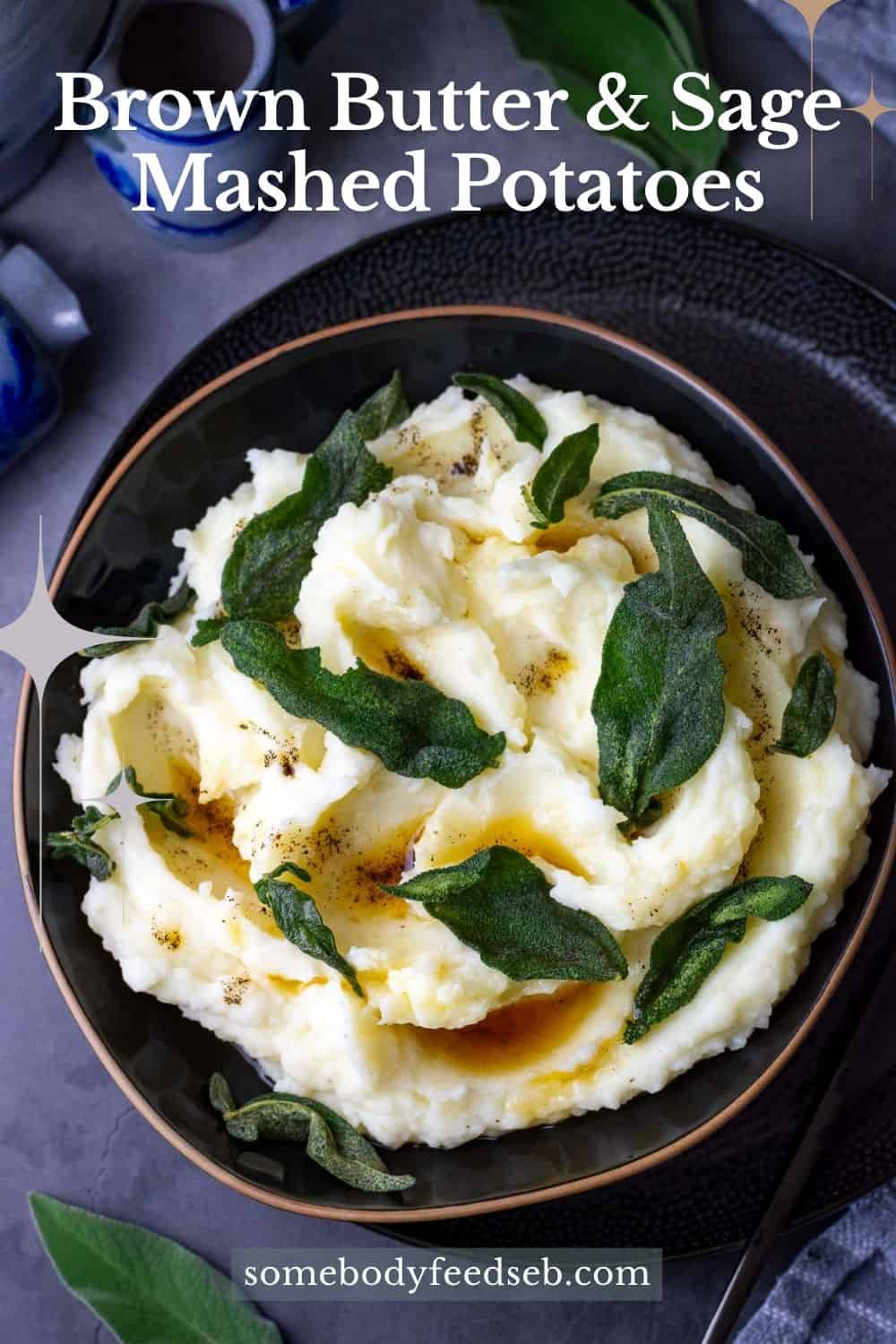
When ordinary mash feels a little too… ordinary, sage mashed potatoes are the answer. Creamy, smooth, and lifted to the next level with nutty sage-infused browned butter and crispy sage leaves, this is no bland side dish. Think of it as mashed potatoes dressed up for the holiday season - the perfect side dish for your Thanksgiving table or Christmas dinner. Brown butter sage mashed potatoes are indulgent, comforting, and just a little bit special.

Jump to:
As an Amazon Associate I earn from qualifying purchases, at no extra cost for you! Thank you!
Underrated Sage
Sage doesn't always get the spotlight it deserves. This silvery-green herb has a savoury, peppery taste with a hint of eucalyptus - not everyone's first pick for the herb garden, but when it's given the chance, sage shines.
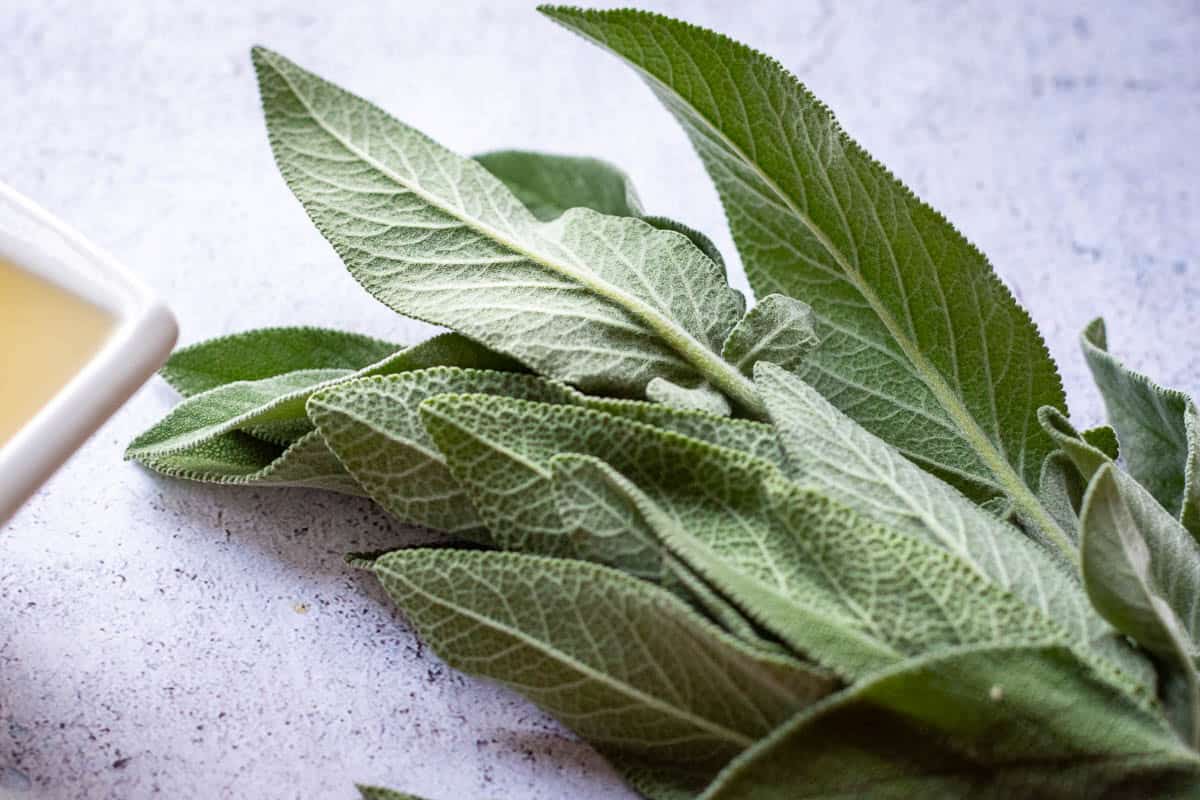
Simply chopping fresh sage leaves into mash won't do much - the flavour can be harsh and a little overwhelming. Infusing butter with sage over medium heat, however, releases its aromatic oils and mellows the flavour. When the butter melts, the milk solids brown, creating a rich brown, nutty aroma that pairs beautifully with the earthiness of potatoes.
Toss in the sage leaves, let them crisp, and suddenly you've got both a butter sauce and a garnish with enough flavour to make this mash unforgettable.
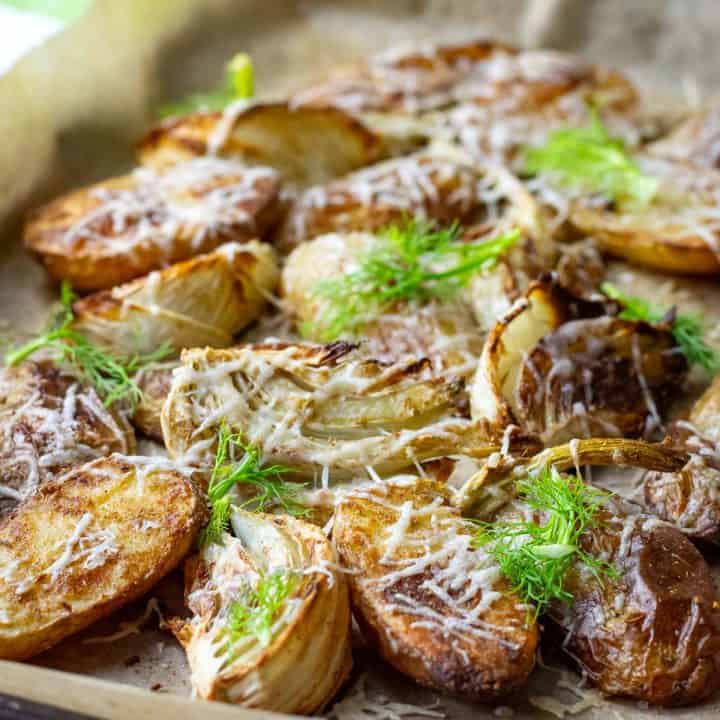
And if you fancy something crispy, try our Sage Smashed Potatoes! Or you could use the sage butter with our lower-carb alternative - Celeriac Mash!
What Type of Potatoes To Use?
For the best mashed potatoes, the right spud matters. You want floury, starchy varieties that mash easily and soak up butter like a sponge.
- In the UK: King Edward or Maris Piper are the classics for lighter potatoes with a creamy texture.
- In the US: Russet potatoes or Yukon Gold potatoes work perfectly. Russets give you fluffier mash, while Yukon Golds have a naturally buttery flavour.
- Waxy varieties aren't ideal here. They can lead to a gloopy mash rather than that perfect cloud-like texture.
Recipe Tips
The secret to perfect mashed potatoes lies in technique. Here are a few pointers to make sure yours turn out smooth, creamy, and brimming with rich brown butter flavour.
- Start in cold water. Place potatoes in a large pot of water before boiling. This helps them cook evenly all the way through. Add a generous pinch of salt to the water for seasoning from within.
- Drain potatoes well. After you boil potatoes until fork-tender, leave them to steam for 2-3 minutes before mashing. This gets rid of excess moisture and prevents watery mash.
- Choose your mashing tool. For the best mashed potatoes, a potato ricer or food mill (moulin à légumes) makes lighter potatoes without lumps. A potato masher works fine, but avoid a stand mixer or electric mixer with a paddle attachment, which can turn the mash gluey.
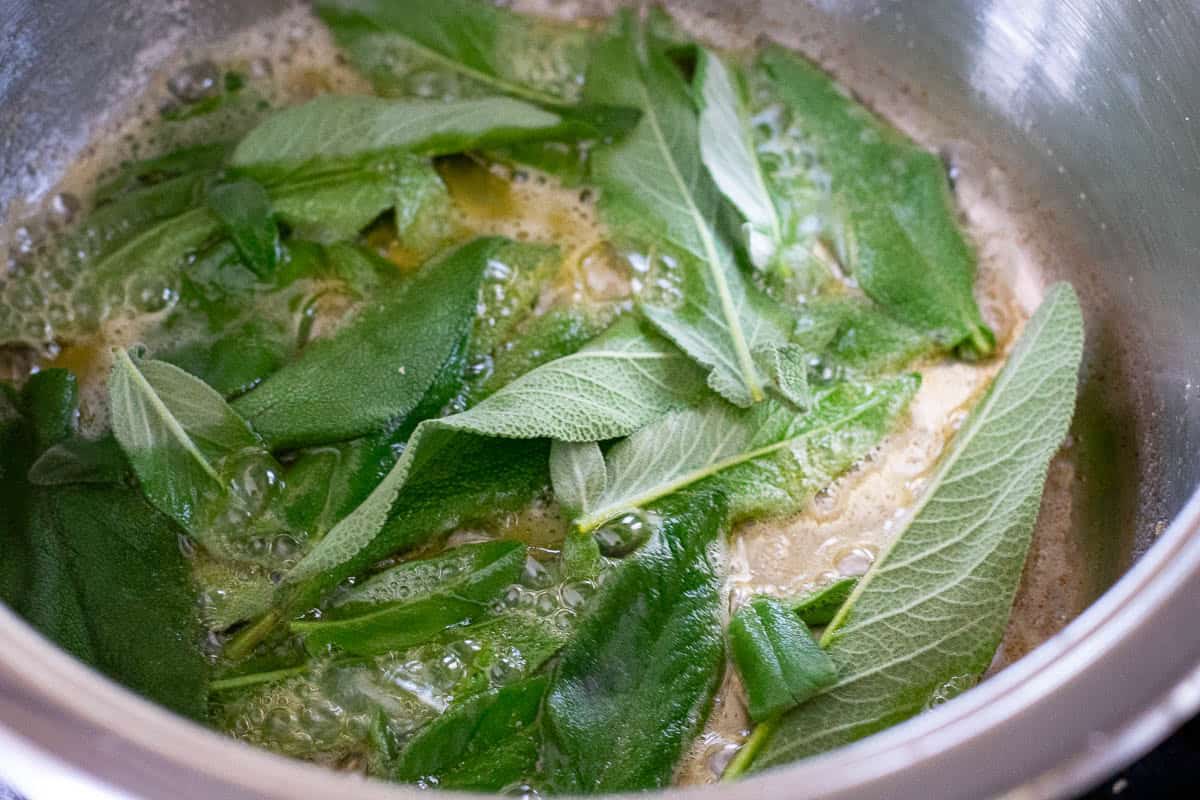
- Brown the butter carefully. Use a medium saucepan over medium-low heat. Once the butter foams, watch closely until the milk solids turn golden brown and you smell a nutty aroma. Don't wander off - browned butter can tip into burnt butter in a flash.
- Balance the richness. Stirring in a generous tablespoon of crème fraîche (or sour cream, or cream cheese) adds a tangy note that cuts through the sage butter, making the mash taste lighter.
- Not a fan of sage? This recipe works well with fresh thyme, rosemary or even minced garlic cloves.
Serving Suggestions
Mashed potatoes with sage are a perfect addition to any special occasion menu. On a holiday table, they sit happily alongside turkey, pork chops, or roast beef.
They pair beautifully with root vegetables like honey-roasted carrots and parsnips or mustard-roasted Brussels sprouts, and they're equally at home next to a juicy steak for a cosy family meal.
Storage and Leftovers
Leftovers? That's never a problem with mashed potatoes. Cool completely, then transfer to an airtight container. They'll keep in the fridge for up to three days, or freeze for a month. Reheat gently in a medium saucepan over medium-low heat, adding a splash of whole milk or heavy cream to restore the creamy texture.
Creative with your leftovers? Turn them into potato cakes, top a shepherd's pie, or stir into potato soup for a richer flavour. You'll almost hope you made too much.
More Potato Side Dishes
If you love this sage mashed potato recipe, there are plenty more to explore - from creamy mashed potatoes to hasselback potatoes with fresh herbs. Below, you'll find more potato recipes that will take pride of place at your next family meal.


Sage Mashed Potatoes With Browned Butter
Ingredients
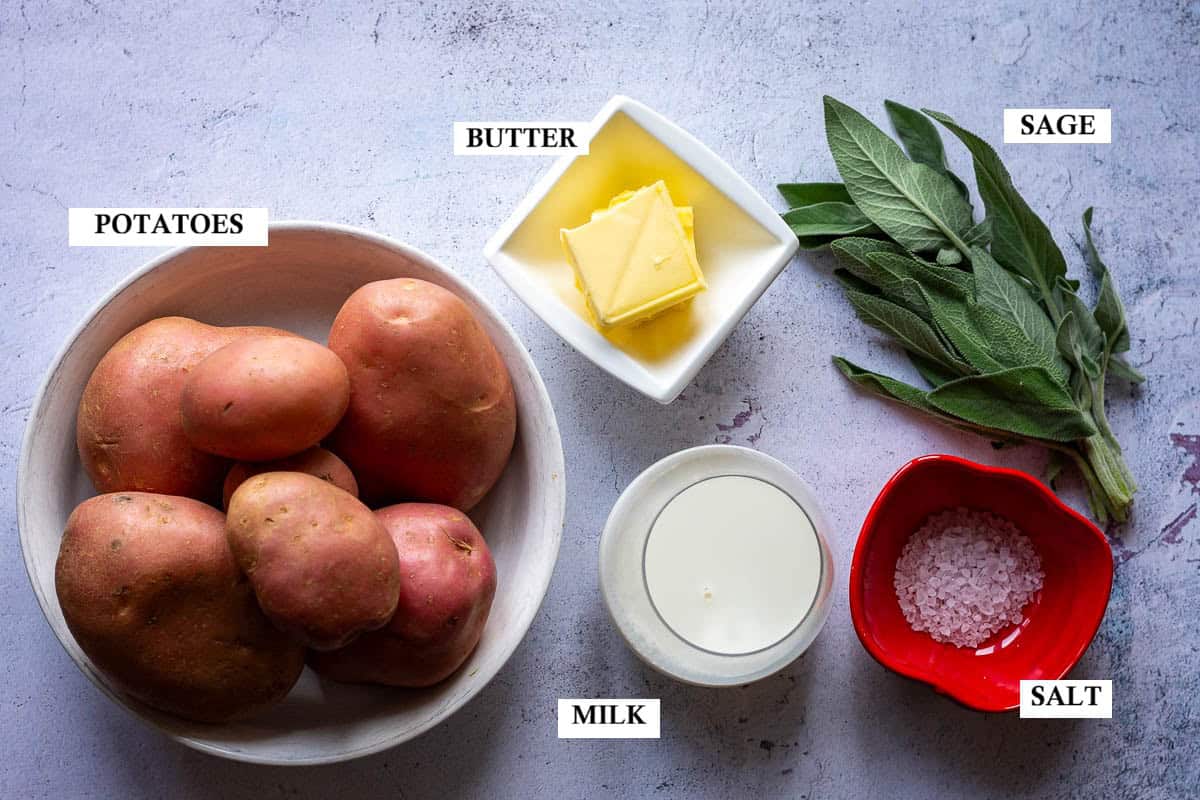
- 1 kg (2.2 lb) floury potatoes such as Kind Edward or Maris Piper
- 20 g (1½ tablespoon) butter unsalted
- 250 ml (⅔ cup) whole milk
- salt
For Sage Browned Butter:
- 60 g (3½ tablespoon) butter unsalted
- 20 g (¾ oz) sage leaves stripped, stalks discarded
Instructions
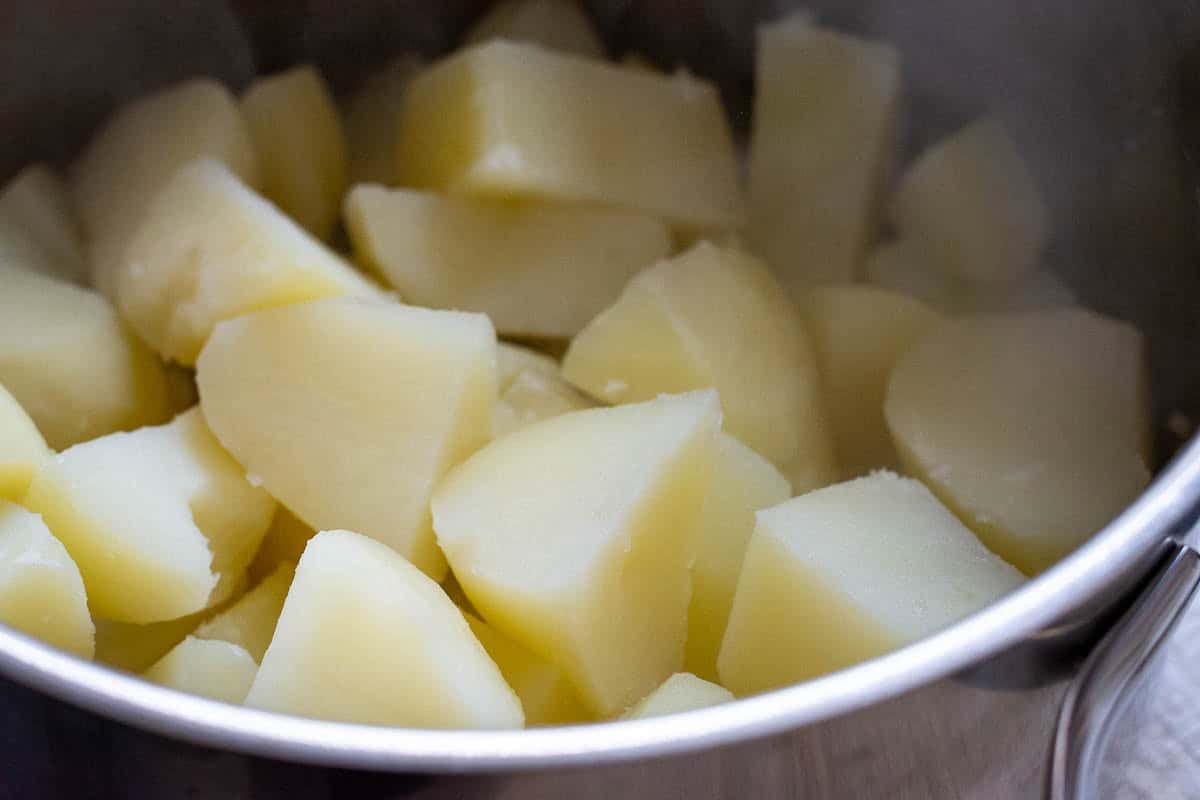
- Peel the potatoes and cut them into large chunks. Place them in a large pan, pour boiling water on top to cover and add a pinch of salt. Cook them for 17-25 minutes, depending on the type of potato, until tender.
- Whilst the potatoes are cooking, prepare browned sage butter. Melt the butter (that's 40g for sage butter in the ingredients list) in a small saucepan over medium heat. Allow it to bubble and foam, and stir until you start seeing plenty of browned bits and the butter starts smelling nutty. Watch closely after the foaming subsides, as butter can burn quickly.
- Add the sage leaves and allow them to fry in the browned butter for 30-60 seconds. Then take the pan off heat immediately. Transfer the crispy sage leaves on a plate lined with paper towels. Set the browned butter aside.
- Drain the potatoes and leave them in the pan to steam for a minute.
- Pour the milk over the potatoes and add the butter. Set the pan over low heat until the milk start to bubble.
- Pour in all but 1 tablespoon of browned butter and mash the potatoes well until no lumps remain.
- Serve mashed potatoes with a drizzle of reserved browned butter and crispy sage arranged on top.
Nutrition


Leave a Reply