
Have you been throwing away your excess starter not knowing what to do with it? Sourdough Discard-the by-product of feeding your starter actually has loads of potential. In this guide, we'll explore sourdough discard recipes, what discard is, and why it's far too useful to simply throw away!

Jump to:
As an Amazon Associate I earn from qualifying purchases, at no extra cost for you! Thank you!
What is Sourdough Discard?
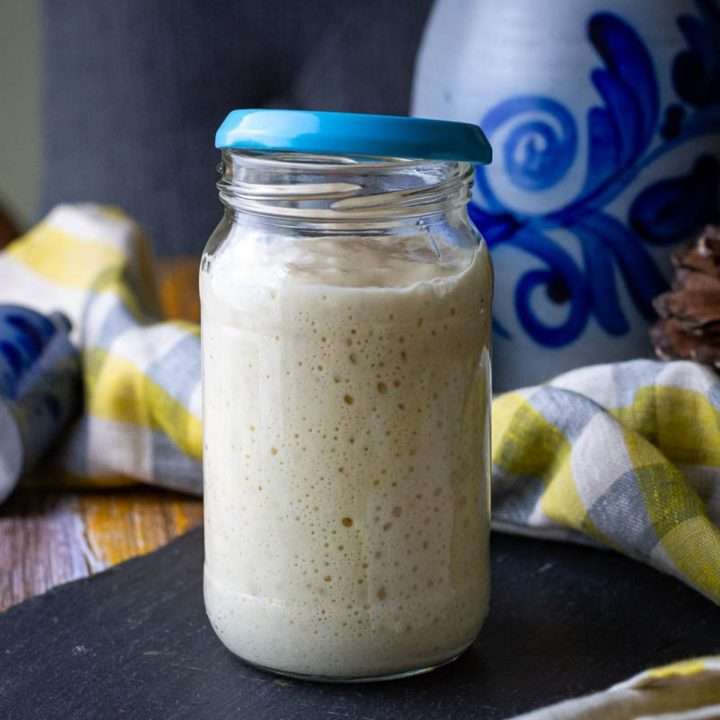
Sourdough starter discard is the portion of the sourdough starter that you remove during regular feedings to keep the starter healthy and active. It's a fermented mixture of flour and water, just like the active starter, but with a lower concentration of active wild yeast.
While it doesn't have the leavening power needed for bread dough, it still contains the tangy flavour of sourdough and can be used in various recipes, making it far from waste!

How Is Discard Different From Sourdough Starter or Levain?
Sourdough discard is simply the portion of your starter that you remove during the feeding process. It's made up of the same flour and water mix, but it's not as bubbly and full of life as an active sourdough starter.
The key difference? Discard doesn't have the same level of wild yeast activity, which is what makes your starter so powerful for getting a good dough rise.
A fully active starter is primed with plenty of natural yeast and bacteria, ready to ferment your dough and give it that classic sourdough flavour and rise. Levain is essentially a specific offshoot of your active starter, prepared just before baking to give your dough a strong boost of yeast for a good ferment. Discard, while lacking this rising power, can still be put to good use in plenty of recipes-just don't expect it to make your bread rise on its own.
How To Store Sourdough Discard?
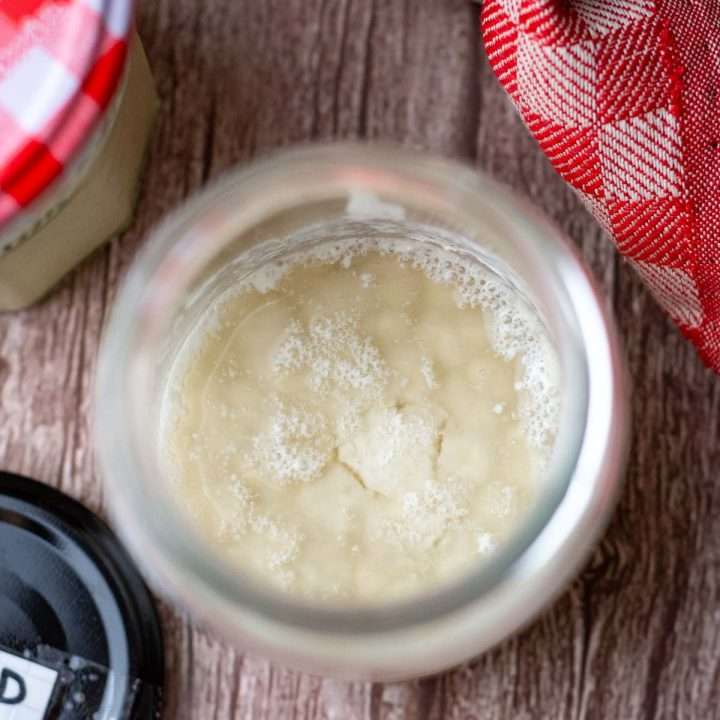
Every time you feed your starter, you'll end up with discard-don't throw it away! Instead, collect the extra discard in a glass jar or any airtight container and store it in the fridge until you're ready to use it. This keeps it fresh and prevents it from becoming overly acidic.

If you don't plan to use it soon, you can also freeze discard for up to a year. Just transfer it to a freezer-safe container, and you'll have it ready whenever you need.
Be sure not to store discard at room temperature for more than a couple of days, as it will quickly become too acidic. You'll also notice a layer of "sourdough hooch" (liquid) forming on top, which can give your recipes an unpleasantly sour taste if left too long. Keep it cool and airtight for the best results!
How Long Can I Store Discard In The Fridge?
You can store leftover sourdough discard in the fridge for up to 1 week (sometimes 2 weeks depending on the properties of each individual starter). After that, it starts to lose its freshness and can become too acidic for baking.
If you have a lot of discard stored for a long time, keep an eye out for a layer of hooch (liquid) forming on top. This is a sign it's been sitting for a while. When hooch appears, pour it off before using the discard, as it can make your bakes overly sour. You can still use discard with hooch, but sparingly-just don't let it sit for too long or your recipes might turn out a bit too tangy for comfort!

What To Do With Sourdough Discard?
If you're wondering how to make the most of your discard, you're in for a treat! There are countless sourdough discard recipes that let you whip up delicious things without the need for commercial yeast (you may need a little baking powder or baking soda though).
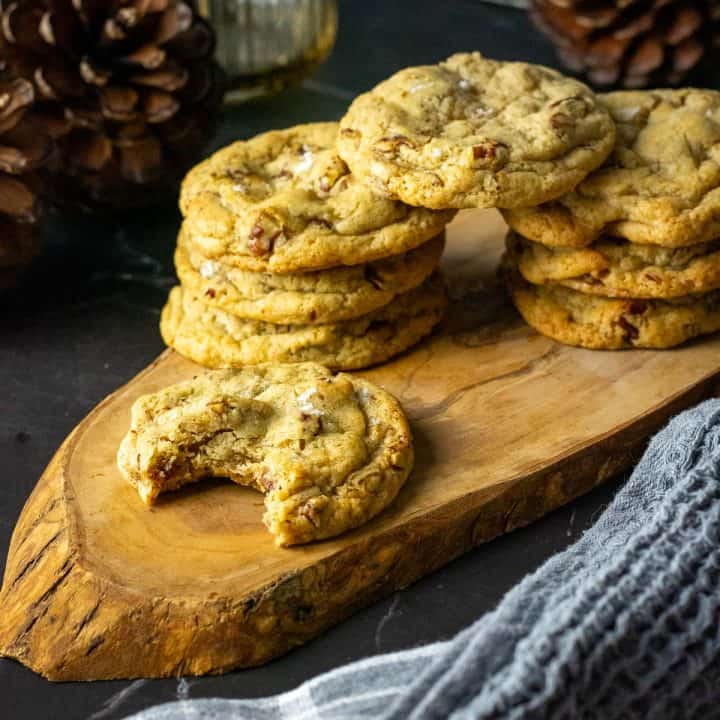
From savoury snacks to sweet recipes, using discard is a great way to reduce food waste while adding a unique flavour to your bakes. What is it going to be - an easy recipe for sourdough pancakes served with plenty of pure maple syrup or gourmet sourdough crackers that is a great recipe for a wonderful gift during holiday season? And nobody can resist our Sourdough Discard Blondies!
- Jalapeño Cheddar Sourdough Discard Cornbread
- Flaky Cinnamon Apple Sourdough Scones (With Discard)
- Sourdough Coffee Cake (With Sourdough Discard)
- Flaky Maple Pecan Sourdough Scones (with Maple Candied Pecans)
- Sourdough London Fog Cookies (Earl Grey & Lavender)
- Sourdough Banana Bread Cookies with Walnuts and Chocolate Chips
- Chewy Sourdough Apple Cookies with Brown Butter
- Stovetop Sourdough Apple Upside Down Cake (No Oven Needed)
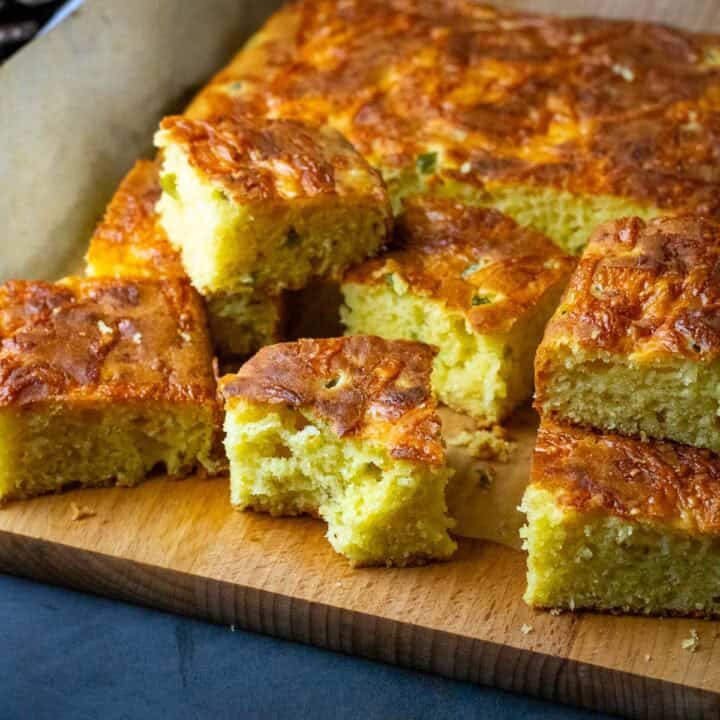

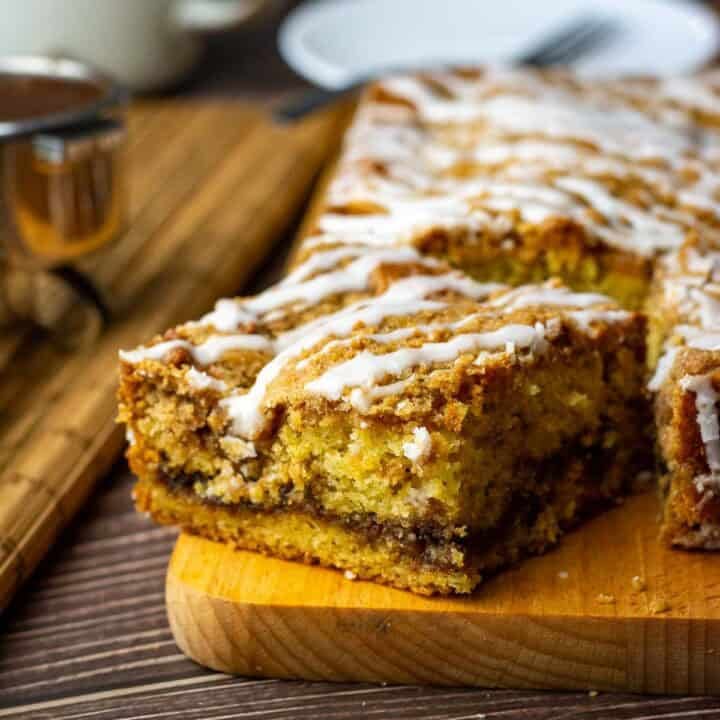
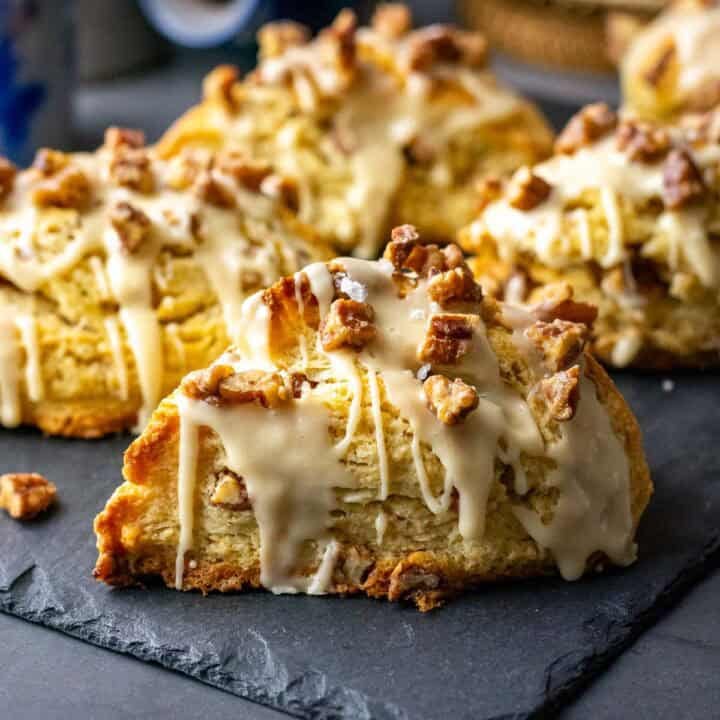
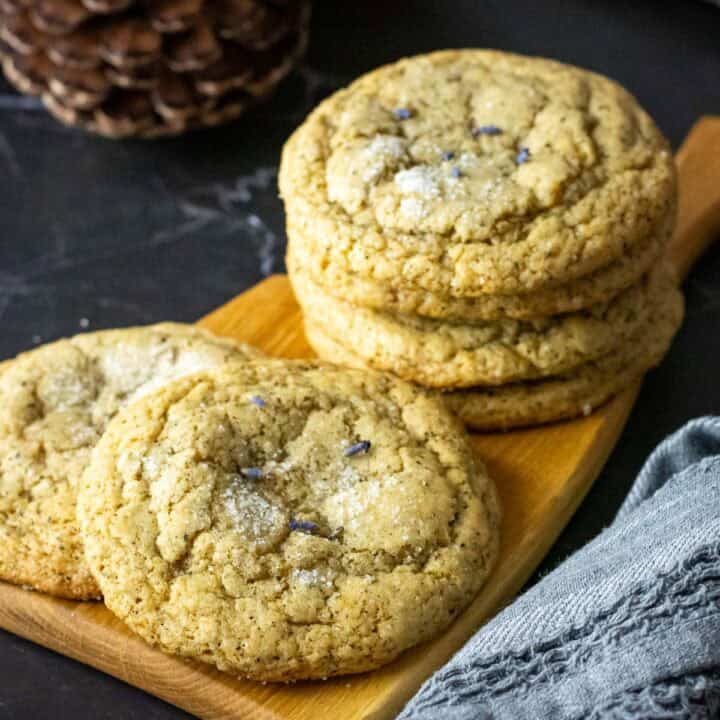
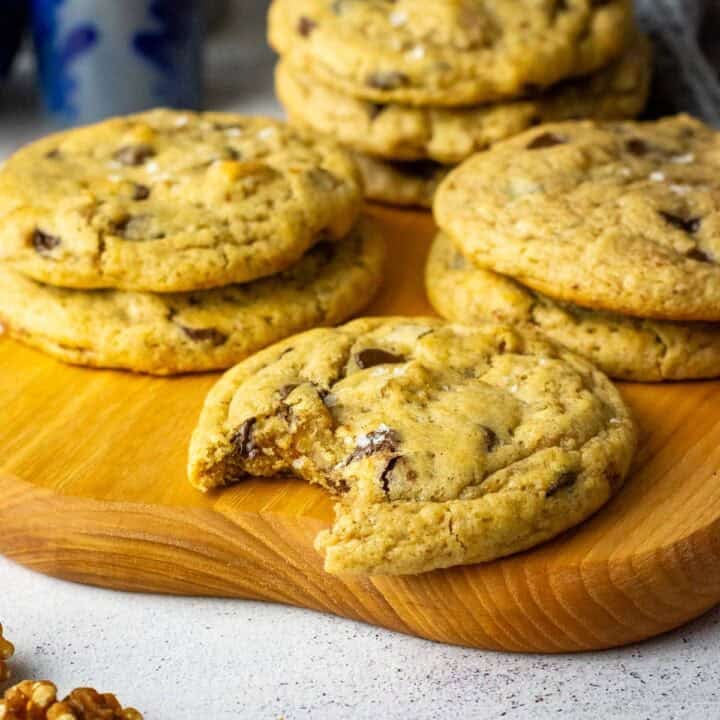
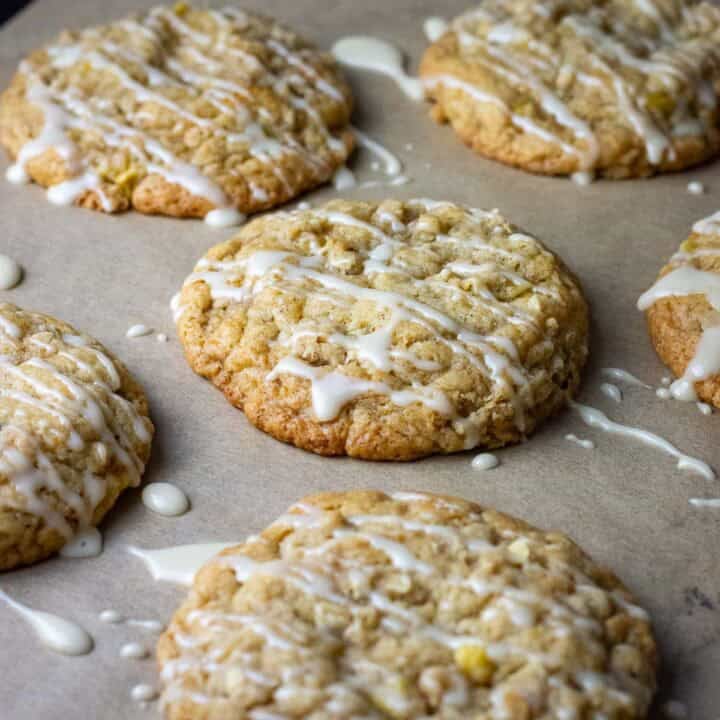
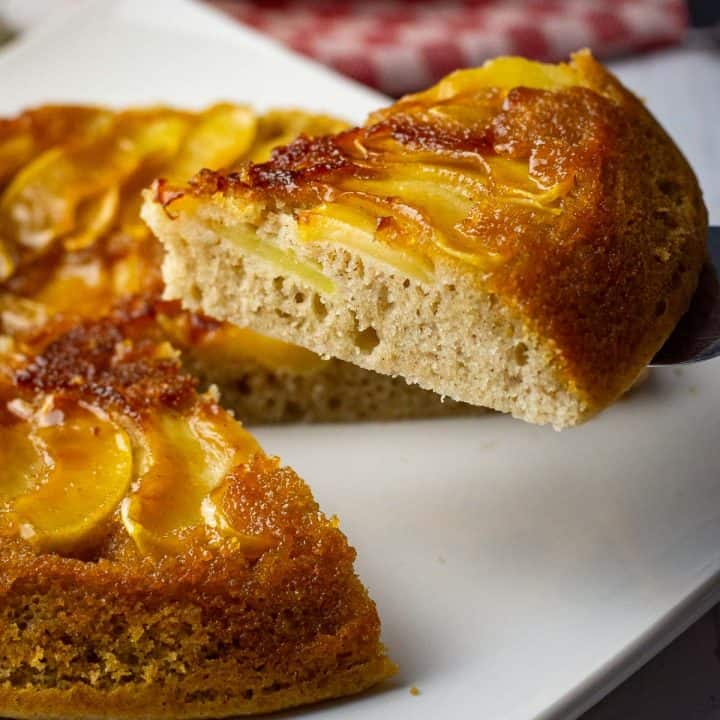
If you are looking for recipes with all-discard and no unfermented flour, try our Seeded Sourdough Crackers or Sourdough Brownies.
What Does Sourdough Discard Do In Baking?
- Using excess sourdough starter in baking is a great way to reduce food waste!
- The acidity in sourdough starter produces the most tender bakes with a better texture. Think extra flaky pastry (try Sourdough Galette With Courgette for evidence) and super tender cakes (try it in our Sourdough Apple Cake)...
- Sourdough tang complements many flavours beautifully: lemon, lime, passionfruit, various berries and chocolate!
- Adding sourdough discard is a wonderful way to prolong the shelf-life of your baked goods, as the good bacteria in the starter act as a mild preservative.

Sourdough Discard FAQs
Yes, but you will need some extra leavening power (like instant yeast or active dry yeast) to make sourdough discard bread. These quick breads made with discard do not go through a long fermentation process and can, therefore, be made within a few hours, however, they do not boast the same health benefits of long-fermented sourdough. Our favourite discard bread recipe? Sourdough Discard Focaccia With Olives!
Yes, sourdough discard can be composted! Since it's just a fermented mixture of flour and water, it breaks down easily in a compost pile. The natural bacteria and yeast in the discard can even aid the decomposition process. However, be sure not to compost large amounts at once, as it can become too acidic and affect the balance of your compost. Small amounts mixed in with other organic matter should do the trick!
Yes, it will take a lot less time to turn sourdough discard into an active sourodugh starter than starting completely from scratch. Simply take a small amount of discard and feed it with fresh flour and water for a few consecutive days (the same as what you'd feed your sourdough starter) until it doubles in volume within 4 hours at room temperature. Learn more in our dedicated article on How To Feed & Maintain Sourdough Starter.
Discard isn't ideal for direct use on plants. Its high acidity and concentration of natural yeasts can disrupt the soil balance and potentially harm your plants. If you want to make use of it in the garden, it's better to compost the discard first, allowing it to break down naturally.
More Sourdough Starter Articles
A healthy sourdough starter is a foundation of great sourdough bread. If you are just starting out on your sourdough journey, you may be interested in the articles below:





Leave a Reply