
Baking sourdough with a crust that's a little too crispy happens to the best of us! Some of us love it and strive for it! Others see it as a jaw-breaking exercise... Luckily, there are a few easy ways to learn how to make sourdough crust softer. Whether it's tweaking your baking method or adding a bit of fat to the dough, softening that tough exterior is actually not difficult at all!

Jump to:
Science Behind Sourdough Crust
Crust formation in sourdough bread is influenced by several key factors, including baking temperature, moisture levels, and the natural sugars and proteins in the dough.
As the bread bakes, the Maillard reaction and caramelisation create the deep golden-brown crust, while moisture evaporating from the dough contributes to its crispiness.
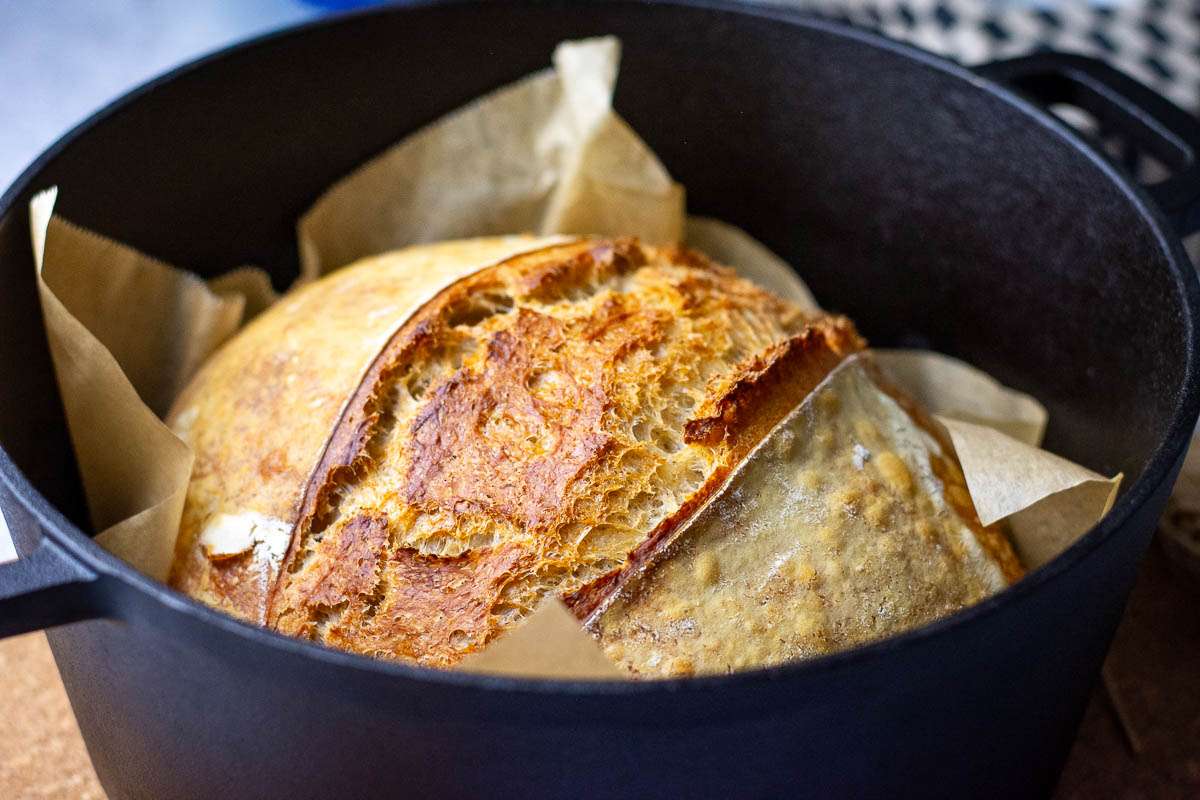
Unlike store-bought bread, which often contains additives to keep the crust soft, sourdough relies on natural fermentation and long baking times, leading to a thicker, chewier crust.
The lack of commercial softeners and the high heat required for traditional sourdough baking result in a crust that is more substantial than mass-produced loaves. However, several techniques can help achieve a softer crust without compromising flavour or texture.
Why Would You Want Sourdough Crust Softer?
While a crispy crust is a hallmark of traditional sourdough, there are several reasons why you might prefer a softer version:
- Easier to Eat - A thick, chewy crust can be difficult for young children or those with dental issues to bite through. Soft sourdough bread is a great option for the whole family.
- Better for Sandwiches - A softer crust makes sourdough easier to slice and more suitable for sandwiches, preventing fillings from being squashed out.
- Ideal for Toasted Dishes - Whether making French toast or grilled cheese, a slightly softer crust absorbs flavours and textures more effectively.
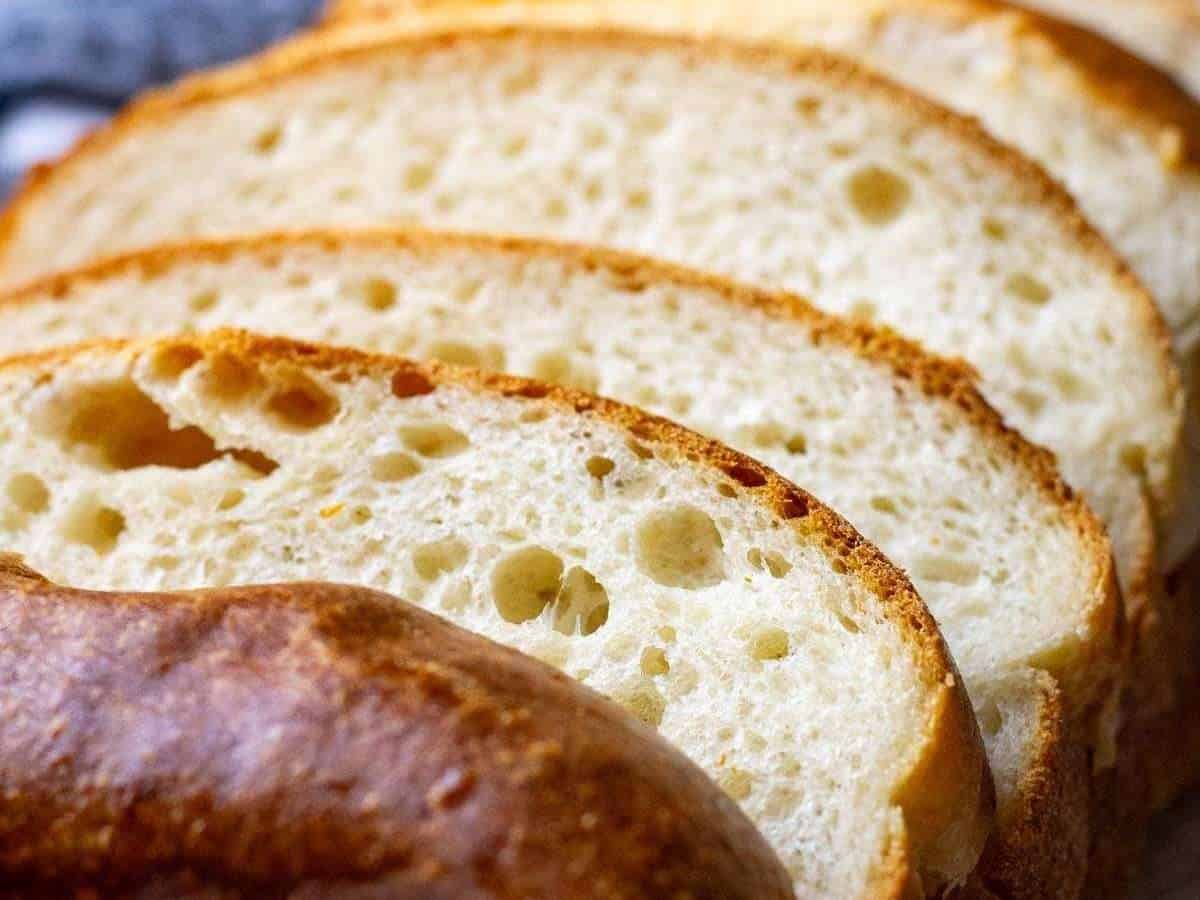
Ways To Make Sourdough Softer
If you prefer a soft crust sourdough bread recipe, there are several techniques you can use to adjust the texture while keeping the delicious flavour and structure intact. From tweaking baking methods to modifying ingredients, here's how to achieve a softer crust without compromising your sourdough's quality.
More Steam
Steam is essential for achieving good oven spring and controlling crust formation. It keeps the dough's surface moist, allowing it to expand before the crust hardens. Increasing steam during the first part of baking results in a thinner, softer crust rather than a thick, chewy one. Here are three effective ways to add more steam:
- Covered Baking with a Dutch Oven - A Dutch Oven traps steam released from the dough itself, maintaining a humid environment. Keeping the lid on for at least 20-25 minutes helps delay crust setting, allowing for good oven spring and a softer final texture. For an even softer sourdough crust, consider dropping an ice cube or two into the side of the Dutch oven, but make sure it doesn't touch the dough itself (place them in between parchment paper and Dutch Oven).
We often bake sourdough that contains a high amount of milk or sugar covered for the full duration of the bake to prevent it from burning. You can learn more by visiting our dedicated article - Baking Sourdough With the Lid On the Whole Time (Why It Works).

- Open Baking with a Tray of Water - If baking without a cover, placing a tray of water on the bottom shelf of the oven creates a steamy environment. This method is less effective than a Dutch Oven, but it still helps soften the crust.
- Steam Injection Ovens - If your oven has a steam injection feature, use it during the first 10-15 minutes of baking. This helps create an ideal humid environment, keeping the crust flexible and promoting good oven spring while ensuring a softer crust.

Mix It Up: Turn Your Sourdough into a Flavour Adventure.
Bake Sourdough Covered For Longer
Baking sourdough bread covered helps trap steam, delaying crust formation and keeping it softer. I typically bake my Everyday Sourdough Bread for 25 minutes covered, then 25 minutes uncovered.
However, if you prefer a softer crust, you can extend the covered baking time to 30-35 minutes and reduce the uncovered bake time to 15-20 minutes.

💡 Extra Tip: When uncovering the bread, lower the temperature of your oven to 200°C. This prevents the crust from caramelising too quickly, allowing it to remain softer while still developing a beautiful lighter golden colour.
Wipe The Flour From The Surface
Many sourdough bakers dust the surface of the dough with flour before baking to create contrast and highlight their scoring. However, this extra layer of flour can contribute to a harder crust.
If you're using rice flour to dust your banneton/ proofing basket, it's even more important to wipe the top of the loaf thoroughly before baking, as rice flour can become particularly tough when exposed to high heat.
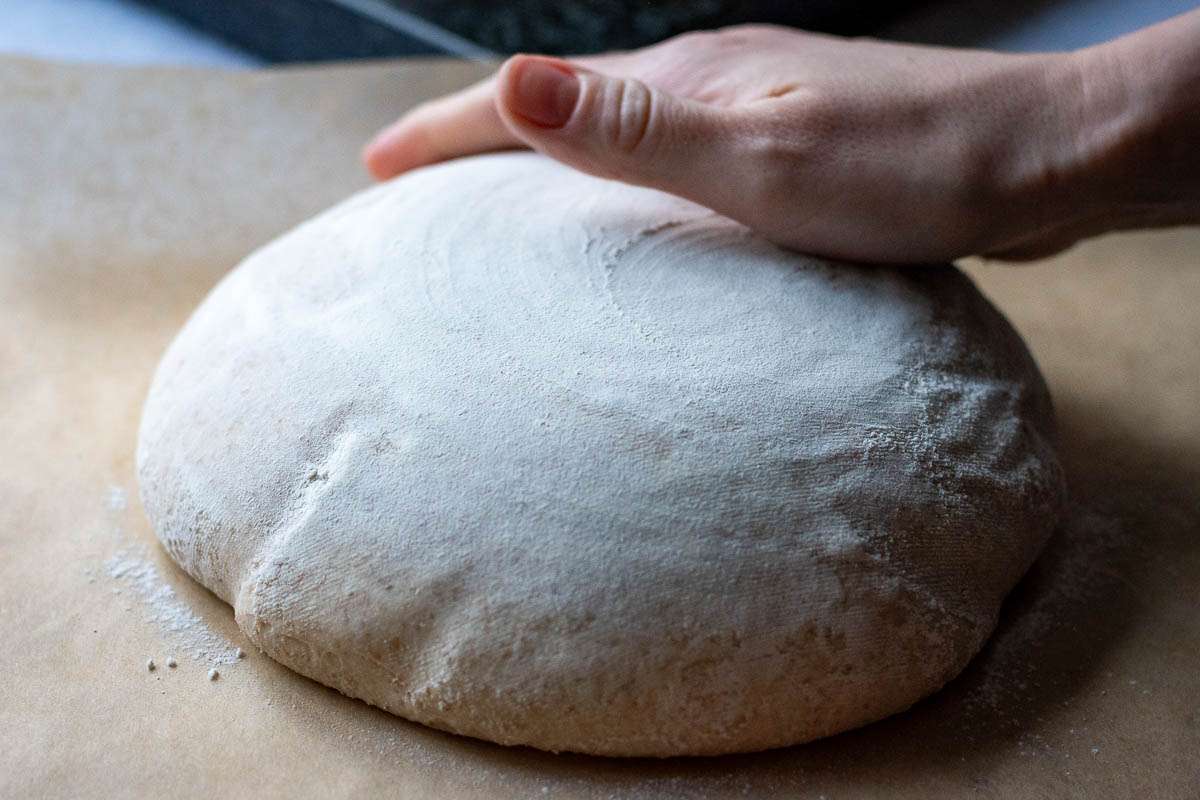
💡 Extra Tip: For an even softer crust, lightly spritz the surface of the dough with water before baking. This helps soften any remaining flour while also introducing more steam into the oven, which further encourages a tender crust.
Increase Hydration Level
Using a higher hydration sourdough is one of the most effective ways to achieve a softer sourdough bread crust. Doughs with a higher water content retain more moisture during baking, which slows down the formation of a thick, hard crust.
As the bread bakes, the excess water evaporates, creating much steam inside the loaf and keeping the crust more pliable.

Additionally, the extended gelatinisation of starches in high-hydration doughs results in a thinner, more flexible crust. If your sourdough recipe allows, increasing hydration by just 5% can make a noticeable difference in the final texture of your bread.
However, keep in mind that handling wetter dough requires more practice, as it can be stickier and harder to shape, so this method may not be suitable for beginners.
Add Fat To Bread Dough
Incorporating fat into your sourdough dough is a simple yet effective way to achieve a softer crust. Fats, such as vegetable oil, olive oil, melted butter, or coconut oil, coat the flour proteins, limiting gluten development and reducing moisture loss during baking.

Dairy products like milk or yoghurt not only add fat but also introduce natural sugars, which contribute to a deeper golden brown colour.
However, this can also cause the crust to darken more quickly, so keep an eye on your loaf to prevent burning. As a guideline, for 400-500g of flour, you can add up to 30ml of oil or melted butter. If using milk, replace ¼ to ½ of the water in your recipe with it for the best results.
💡 Extra Tip: replace 2 tablespoon of flour with ground almonds (almond flour) or add a couple of spoonfuls of nut butter to your dough to introduce both fat and flavour.
Adding grated cheese (like in our Parmesan Sourdough Bread) will also help produce a softer crust.
Sufficient Bulk Fermentation
Bulk fermentation and proofing are crucial steps in sourdough baking, and they can significantly impact the texture of your crust. During bulk fermentation, the dough undergoes a series of gas-producing reactions, which leads to a lighter, airier crumb and a more tender crust.
Under-proofing can result in a denser dough that may bake with a thicker, harder crust.
On the other hand, over-proofing can lead to excess moisture loss, causing the dough to collapse and form a tougher, chewier crust.
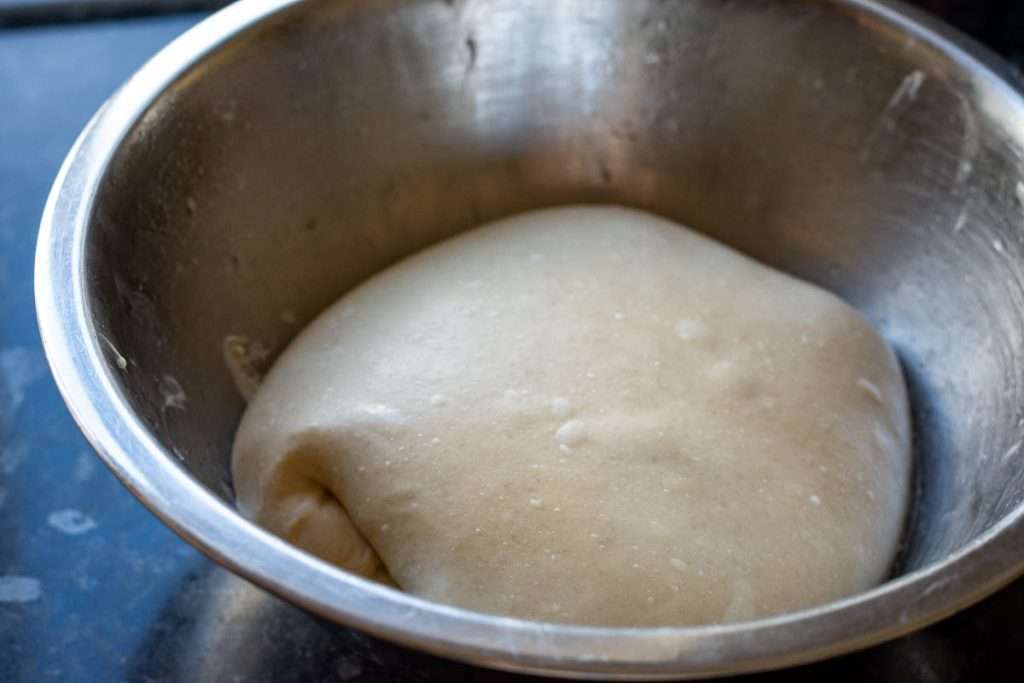
Bulk Fermentation 101
Learn more about sourdough bulk fermentation process - possibly the most important stage in sourdough baking.
Moisture Loss During Cold Retardation
When the dough is proofed in the fridge for its second rise, such as during an overnight rise, it often develops a thicker, harder crust compared to bread baked the same day it's mixed.
This happens because the dry environment of the fridge causes the outer surface to dry out during the long proofing period. To avoid this, ensure your dough is protected by placing the proofing basket with the shaped dough in a plastic bag to trap moisture and protect it from the dry fridge air.
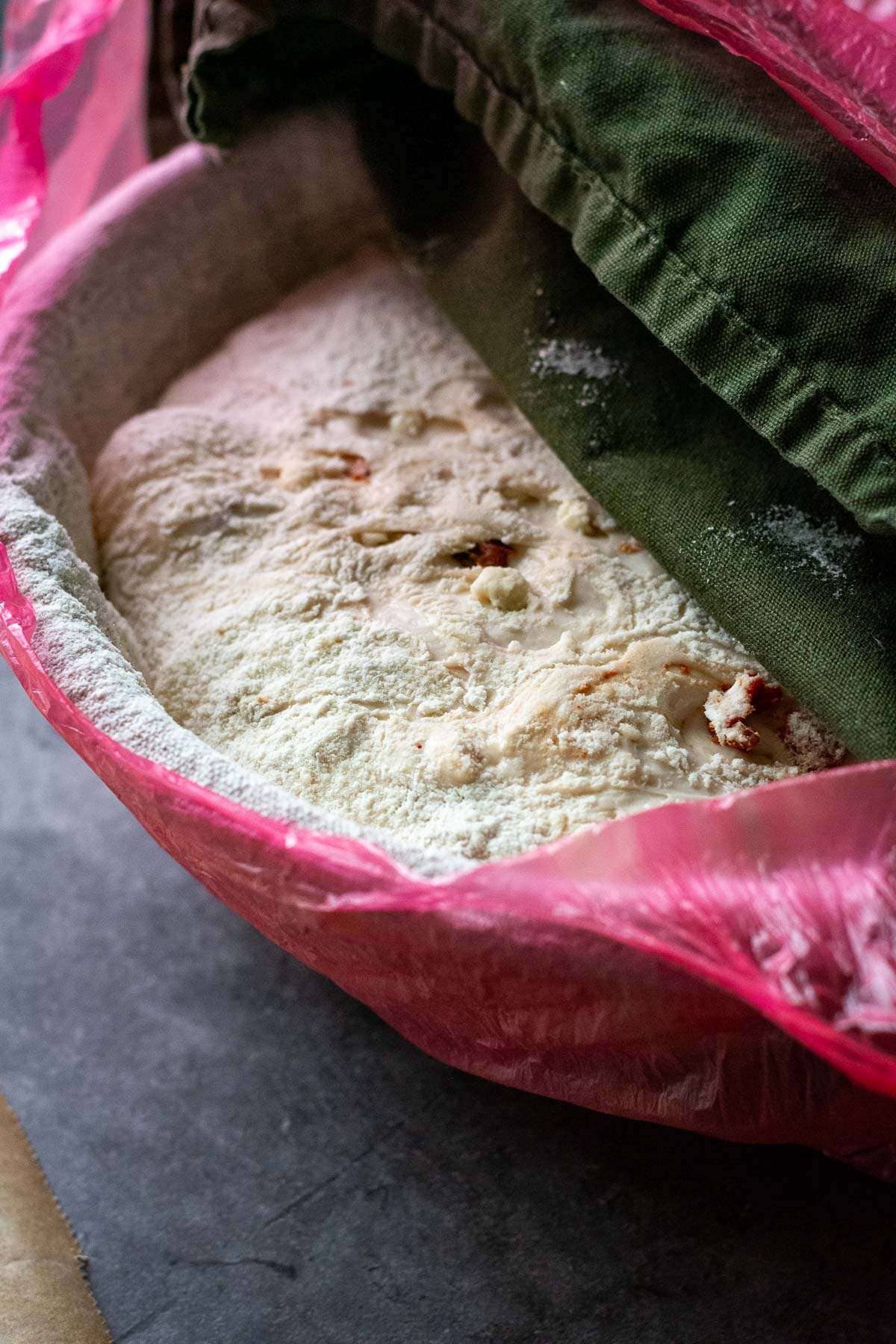
💡Extra Tip: While cold-proofing enhances flavour and allows for easier scoring, you may want to skip this step for a softer crust. Alternatively, you can refrigerate your dough for just 3-4 hours before scoring and baking for a balance of flavour and a softer crust.
Wrap Baked Bread
Wrapping your freshly baked bread in a clean tea towel as soon as it comes out of the oven is one of the best ways to achieve a softer crust. As the bread cools at room temperature, the trapped moisture from the bread creates a softer, less crunchy outer layer.
However, it's important to note that while this method softens the crust, some may find that it leads to a slightly soggy crust rather than just soft. If you prefer a balance of softness without the sogginess, you can experiment with wrapping the bread for a shorter time.

Try These Sourdough Recipes
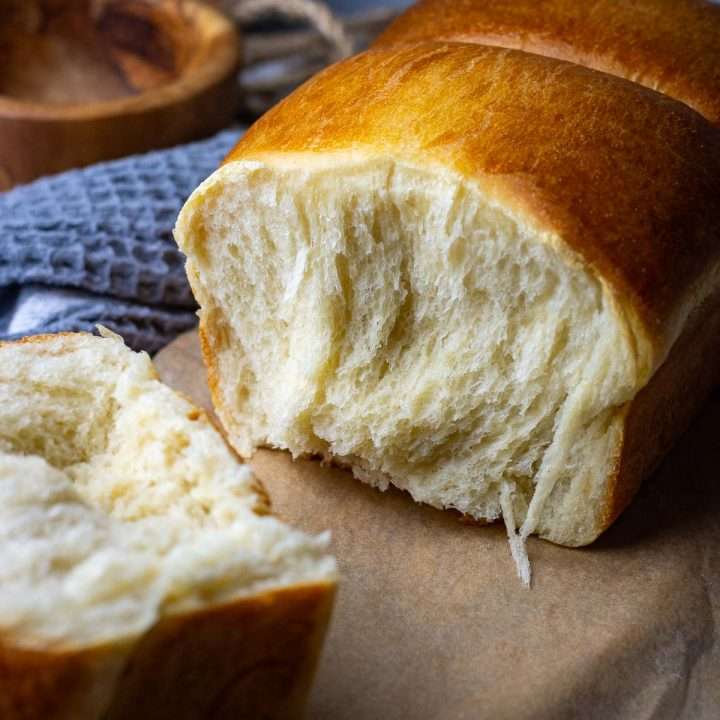
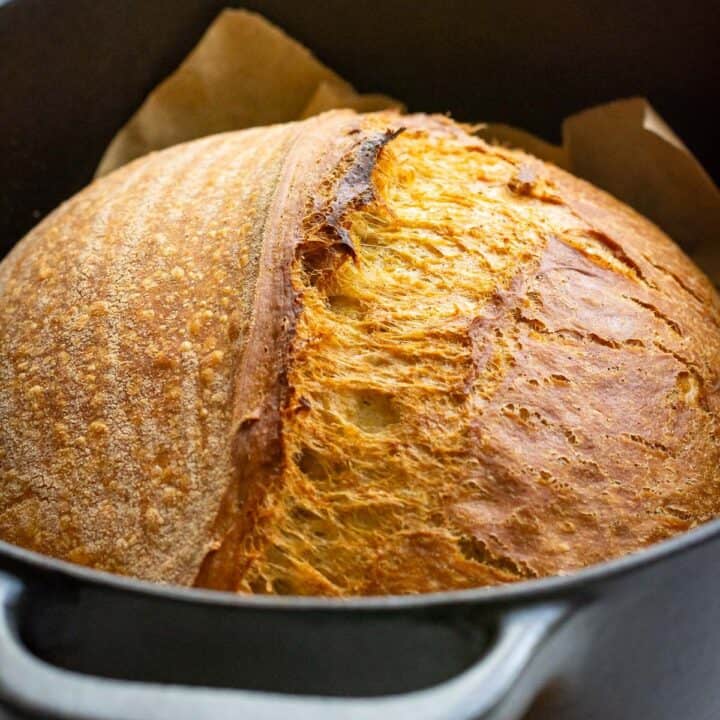
Sourdough doesn't always have to be baked free-form. Sometimes, baking it in a loaf pan creates an opportunity for more sourdough hydration and a softer loaf with a thinner crust.
Check out some of our best soft crust sourdough recipes, like sourdough milk bread (with super soft crust), sourdough brioche, and soft sourdough sandwich bread recipe, linked below for even more delicious options!




Leave a Reply