
In sourdough baking, understanding the timing, temperature and signs of proper sourdough bulk fermentation can have a profound effect on the final loaf. This crucial stage influences everything from the dough's flavour to its texture and rise. Understanding how to control and perfect bulk fermentation is key to achieving that ideal, delicious sourdough loaf.
Jump to:
- What Exactly Is Bulk Fermentation?
- What Happens During Sourdough Bulk Fermentation?
- Factors That Affect Bread Dough Fermentation
- Stages of Bulk Fermentation
- Best Container To Use
- Controlling Bulk Fermentation Process
- When Is Bulk Fermentation Done?
- Does The Dough Need To Double In Size?
- Underfermenting
- Overfermenting
- What's Next?
What Exactly Is Bulk Fermentation?
Bulk fermentation, also known as the first rise, is the stage where your sourdough dough takes its sweet time to develop flavour and texture before you shape it into a loaf. This is when the dough gets to hang out in the bowl after you've mixed everything together (after autolyse), and it's where the magic begins.
During bulk fermentation, your dough starts to transform. The yeast and bacteria you've cultivated in your sourdough starter begin their work, producing gases that make your dough rise. This rise is crucial for creating an airy crumb-those pockets of air that make each slice of sourdough light and tender.

This, in turn, contributes to the oven spring! This is the impressive puff your dough gets when it hits the hot oven, and it's all thanks to what happens during this crucial stage.
What Happens During Sourdough Bulk Fermentation?
So, what's really going on inside that dough during bulk fermentation? Well, this is where your dough ferments-essentially, where it transforms from a simple mix of flour, water, salt, and starter into an active lively being.
The star of the show is the wild yeast from your sourdough starter. These tiny microorganisms feast on the sugars in the flour and, in return, produce carbon dioxide gas. This gas gets trapped in the dough, causing it to rise and creating those lovely air pockets we adore in our baked sourdough loaves.

Meanwhile, gluten development is in full swing too. Gluten, the protein in wheat, forms a stretchy network within the dough, allowing it to trap the gas produced by the yeast. This network becomes your dough's gluten structure, which is what gives sourdough its signature chewiness and strength.
But it's not just yeast at work here-lactic acid bacteria are busy too. These good bacteria produce acids that not only add that signature tang to your sourdough but also help strengthen the gluten structure. This balance of gases and acids creates a well-risen dough with fantastic flavour.
In short, during bulk fermentation, your dough is becoming stronger, tangier, and full of life-all the essential steps towards the perfect loaf.
Factors That Affect Bread Dough Fermentation
When it comes to sourdough, fermentation is where the magic happens. But just like every good magician, your dough needs the right conditions to perform its best tricks. Several factors can influence how quickly and effectively your dough ferments. Let's break them down:
1. Strength of Your Sourdough Starter
The strength of your sourdough starter plays a crucial role in fermentation. A strong, active starter is packed with lively wild yeast and bacteria, ready to get to work. If your starter is sluggish (or very young), your dough will be too, leading to slower fermentation.
To ensure your starter is in top shape, feed it regularly and look for signs of activity-bubbles, a pleasant tangy smell, and lots of rise.
What is more, the amount of sourdough starter that is used in the dough is also important. Less starter will mean longer fermentation (which isn't a bad thing, because it means more time for flavour development).
2. Type of Flour
Not all flours are created equal when it comes to fermentation. The type of flour you use can speed things up or slow them down.
For example, whole wheat flour and rye flour contains more bran and germ (here's our Rye Sourdough Recipe and 100% Wholemeal Sourdough Bread), which means it has more nutrients for the wild yeast and bacteria to feast on. This can lead to quicker fermentation compared to other flours.
White bread flour, on the other hand, is more refined, with fewer nutrients available for fermentation. As a result, it typically ferments more slowly than whole wheat flour.
So, if you're in a hurry (or just want to experiment), consider using a mix of flours to control the fermentation speed.

3. Hydration of the Dough
The amount of water in your dough, known as sourdough hydration, has a significant impact on fermentation. Dough with higher hydration (more water) ferments faster because the water creates a more hospitable environment for the yeast and bacteria to move around and do their thing (this applies to sourdough focaccia and our 80% hydration sourdough bread).

Conversely, low hydration dough (less water) ferments more slowly. The yeast and bacteria have to work harder to move through the dough, which slows down the process.
4. Temperature of the Environment
Temperature is a major factor in fermentation speed. Higher temperatures will make your dough ferment faster because warmth encourages yeast and bacteria to be more active. However, be careful-if it's too hot, you could end up with over-fermented dough, which is far from ideal. Note that yeast actually dies at temperatures around 48°C (120°F).
On the flip side, if you're looking to slow things down (maybe for a long, overnight bulk fermentation), cooler temperatures will keep the activity low and steady. That's why the dough doesn't rise much (if at all) during bulk retardation. We will discuss warm and cold fermentation in detail later on.
5. Dough Handling
How you handle your dough during bulk fermentation can also impact the process. Regularly folding the dough can help strengthen the gluten structure and evenly distribute the yeast and bacteria throughout, leading to a more consistent fermentation.

6. Sourdough Mix-Ins
Sugar, honey, dried fruit and pretty much anything sweet tend to make the fermentation faster. While coffee, cocoa powder, cinnamon etc. make it slower. You can learn more about sourdough mix-ins and how they affect sourdough baking processes in the eBook below.

Mix It Up: Turn Your Sourdough into a Flavour Adventure.
Stages of Bulk Fermentation
Bulk fermentation can take place entirely at room temperature, but more often than not, it starts in a warm environment and finishes in the fridge-a process known as cold retardation.
Below, we'll dive into both warm (ambient) and cold fermentation stages. However, it's key to understand that warm fermentation is crucial for developing flavour and structure, and cold fermentation can't replace it-it can only enhance it!
Warm/ Ambient Fermentation
Warm fermentation is where bulk fermentation begins, allowing your dough to develop flavour and structure at room temperature. Let's break down how it's done, and what you need to know.
The Basics
To start warm fermentation, place your dough in a large bowl covered with a damp tea towel to keep it from drying out. Warm temperatures in your kitchen help the wild yeast and bacteria in your dough to thrive, allowing the dough to rise and ferment steadily. Aim to keep the dough somewhere draft-free and cosy 24-26°C (75-78°F).

Temperature and Time Balance
Every beginner sourdough baker has the same burning question: How long does bulk fermentation take? Unfortunately, there's no one-size-fits-all answer! The bulk fermentation time depends on factors like the amount of starter in your dough, the temperature of your kitchen, and even the flour you use.
Generally, the warmer your environment (up to a point), the faster your fermentation will happen. But be careful-fast fermentation isn't always better. It can lead to overfermented dough, which loses structure and flavour and less flavour in the final loaves of bread.
The best temperature for ambient fermentation is around 24-26°C (75-78°F). In this range, bulk fermentation typically takes between 3 to 6 hours, depending on the variables at play.
Strengthening The Dough
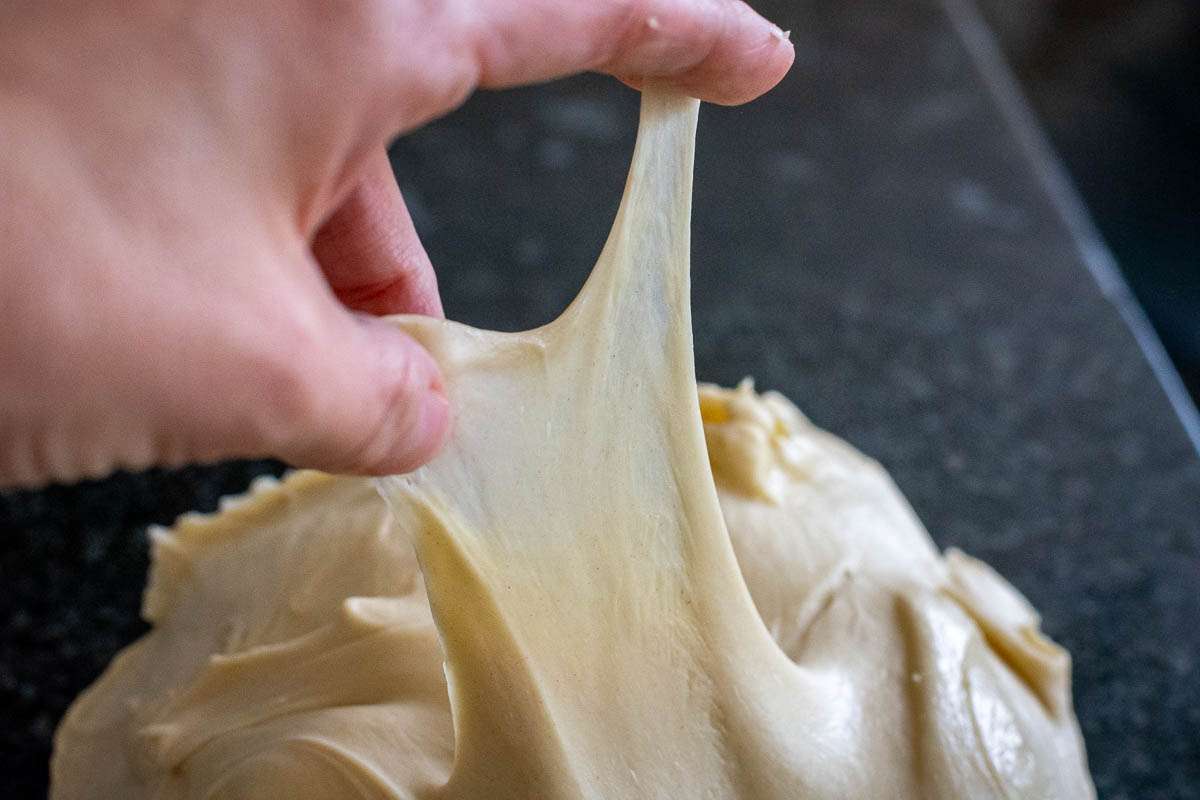
Bulk fermentation isn't just about sitting back and letting the dough rise-it's also the perfect time to build dough strength. By performing a series of folds, like sourdough stretch and folds or coil folds, you help develop the gluten and improve the dough's structure.
- Stretch and fold method involves lifting each side of the dough with wet hands and stretching it over itself in several directions.
- Coil folds are similar but involve gently lifting the dough and tucking it under itself.
Each set of stretches strengthens the dough and distributes gases evenly, setting the stage for a well-risen and beautifully textured loaf.
Cold Fermentation/ Retarding
Cold bulk fermentation, also known as bulk retarding, is a popular technique in sourdough baking. Most recipes will finish bulk fermentation in the fridge because this method allows you to spread the process over two days.
Not only does it enhance the flavour of your bread, but it also makes handling the dough easier, as the cold firm dough is less sticky and more manageable. Plus the dough spreads less when scored.

The Basics
Cold bulk fermentation involves starting the fermentation process at room temperature and then chilling the dough to slow down the activity.
The cold temperatures help develop more complex flavours as the yeast are put to sleep and bacteria keep on working.
By refrigerating the dough, you can control dough development while extending the time between mixing and baking. This makes it a great option for bakers who want to bake fresh bread the next day without rushing through the steps.
Temperature and Timing
It's essential to allow the dough to ferment long enough at room temperature to start the process, but not too long before transferring it to the fridge. Large batches of dough, in particular, cool down slowly, which can prolong fermentation even in the fridge.
Aim for dough temperature in the fridge to be around 38 to 40°F (3 to 4°C). This process can take anywhere from 4 to 24 hours, but overnight is often the sweet spot for a beautifully developed dough. Note that the longer you leave your dough in the fridge, the more tangy it will get.
You can learn more about my sourdough baking schedule HERE.
Best Container To Use
When it comes to choosing the best container for bulk fermentation, here are a few key points to consider:
- Material isn't crucial: In my experience, the material of the bowl doesn't significantly affect the dough. Whether you use ceramic, glass, plastic, or stainless steel, it all works fine as long as the surface is smooth and non-stick.
- Size does matter: A container that's too large will cause the dough to spread too thin, making it difficult to assess its rise. On the other hand, a container that's too small will have your dough spilling over the sides. Aim for something just big enough to allow for a good rise without overwhelming the dough.
- See-through containers are recommended: While not a necessity, a transparent container is incredibly helpful. You can easily monitor the fermentation process and spot those lovely air pockets forming at the base of the dough, giving you a better idea of how it's progressing.
- No need to grease: There's no need to grease, oil, or butter your container. As long as the dough is handled properly, it won't stick too much, and you'll save yourself some unnecessary extra steps.
- Covering is essential: To prevent the dough from drying out and forming a tough skin on top-which can hinder the rise-cover the bowl with plastic wrap or a damp kitchen towel. This keeps the moisture in and allows the dough to ferment without interference.
Controlling Bulk Fermentation Process
Bulk fermentation is a crucial stage in sourdough baking, and the time you dedicate to it can significantly impact the final loaf. If you're pressed for time or have all day to bake, you can adjust the process to suit your schedule. Let's explore how you can tweak various factors like the amount of starter, temperature, and more to control dough fermentation effectively.
1. Adjusting the Amount of Starter
One of the ways to control the speed of bulk fermentation is by adjusting the amount of starter in your dough.
- More starter: In simple terms, increasing the amount of active sourdough starter will speed up fermentation. More yeast and bacteria mean quicker activity, so your dough will rise slightly faster.
- Less starter: On the other hand, if you want to slow things down, reducing the amount of starter will give you a longer fermentation time. This can be helpful when you're planning a long cold ferment or want to extend the process for better flavour development.
2. Temperature Control
Temperature is another powerful tool in controlling bulk fermentation process. By adjusting the environment, you can speed up or slow down the dough's progress.
- Higher temperatures: If you need to bulk ferment quickly, keep the dough in a warmer spot in your kitchen (no warmer than 30 C though). Just be cautious not to let it ferment too fast, as this can lead to overproofing and compromise the dough's structure and flavour.
- Lower temperatures: If you want to take your time, fermenting at lower temperatures-such as placing the dough in a cooler room-will slow down the process. This is especially useful when you're not in a rush and want to allow more time for flavour development. However, I don't recommend ambient fermentation at lower than 20°C temperatures.
- Cold retard: For a long cold ferment, start bulk fermentation at room temperature until the dough begins to rise, then move it to the fridge. The lower temperatures in the fridge will dramatically slow down fermentation, giving you more flexibility to bake when it suits you. Just make sure the dough has had enough time to rise at the correct temperature before refrigerating it.
4. Monitoring Dough Progress
No matter how you adjust the factors, always keep an eye on the dough. Fermentation isn't just about time; it's about feel and appearance. Watch for signs of proper fermentation, like the dough becoming puffy and developing air bubbles. This will help you ensure that you're on track, whether you're speeding things up or slowing them down.


When Is Bulk Fermentation Done?
Knowing when bulk fermentation is done can be tricky, especially for beginners. But don't worry-I've got you covered. Here are some signs that your dough has reached proper fermentation:
- Increased volume: The dough should have expanded noticeably, usually by about 50-75% in size, before you transfer the dough to the fridge.
- Bubbly surface: Look for bubbles on the surface of the dough, indicating active fermentation.
- Domed shape: The dough should have a smooth, slightly domed top.
- A jiggle: The dough should have a wobble in the centre when shaken gently, kind of like an underbaked cheesecake.

Since most containers, like mixing bowls are not straight-sided vessels, it is a good idea to create a control piece of dough and place it in a small straight-sided jar. Simply, pinch off a small amount of dough and place it in a small jar or container alongside your main dough.
As it ferments, you can use this control piece to monitor the rise and development more easily. This is often the best way to see the activity in your dough and judge if sourdough fermentation is finished.
However, after cold retarding, it can be much harder to judge because the dough becomes very firm, and you may not be able to rely on these sensory cues. Most fridges are around 4°C, and at that temperature, the yeast becomes almost dormant.
As long as you don't cold ferment for longer than 24 hours, you shouldn't run into any issues with over-fermentation. This slower process can enhance flavour without compromising the dough's structure.
Does The Dough Need To Double In Size?
Contrary to popular belief, your dough doesn't necessarily need to double in size during bulk fermentation (although it might). While many recipes suggest this, the key is to focus on dough volume rather than an exact measurement. Typically, the dough should increase by about 75% of its original volume, becoming puffy and filled with air bubbles.
Generally speaking, higher-hydration dough won't increase as much in volume compared to lowe hydration dough.
Over-focusing on doubling the size can sometimes lead to overproofing, which affects the dough's structure and flavour. So, watch for those signs of proper fermentation instead of aiming strictly for doubling.


Underfermenting
Underfermenting occurs when the sourdough doesn't get enough time to rise and develop properly. Recognising the signs of underfermented dough and understanding the consequences can help you avoid common pitfalls. Here's what to look out for:
- Flat or dense appearance: The dough may look deflated or not have expanded significantly. It might also feel heavy and dense when handled.
- Lack of bubbles: You might notice fewer air bubbles or an uneven surface, indicating insufficient gas production.
- Poor rise: If the dough hasn't risen much, it's a sign it hasn't fully fermented.
If you notice these signs, giving the dough a little bit longer to ferment can make a good chance for improvement. Allowing more time for fermentation ensures the dough reaches its full potential, leading to a better rise and a more delicious loaf.
And what might happen if you proceed with underfermented dough? If you proceed with shaping and baking underfermented dough, you're likely to encounter several issues:
- Dense loaf: The final bread will be dense and heavy, with a tight crumb structure due to the lack of proper gas development.
- Hard crust: The crust, albeit golden brown, will be too hard to chew. Learn how to make sourdough crust softer.
- Poor oven spring: The dough won't expand much in the oven, leading to a flat or poorly risen loaf. This is because it hasn't had enough time to develop the necessary gas pockets for a good rise.
- Uneven texture: Expect an uneven crumb with less of that desirable airy texture, as the dough hasn't had enough time to fully develop its structure.

Overfermenting
Overfermenting occurs when sourdough is allowed to rise beyond its ideal point, leading to several problems. Understanding the signs of overfermentation and the impact it can have on your final loaf can help you avoid these issues. Here's what to watch for and what can go wrong:
- Excessive rise: The dough may have expanded too much, often resulting in a very loose and airy texture. It might also start to collapse or deflate.
- Flat or soupy appearance: You might notice a flattened or overly soft dough with a greasy sheen, indicating it's lost its structure.
- Strong, sour smell: An overfermented dough can develop an overly acidic or sour aroma due to excessive bacterial activity.
If you shape and bake overfermented dough, you're likely to face several problems:
- Poor oven spring: The dough may not rise properly in the oven because it's already expended most of its gas and has weakened gluten structure.
- Dense crumb: Despite the initial rise, the final bread can end up dense and heavy with a gummy or chewy texture, as the dough's structure has been compromised.
- Irregular texture: The crumb can become overly open and irregular, with large holes and uneven air pockets due to the breakdown of gluten.
To avoid these issues, monitor the dough carefully and ensure it doesn't exceed the ideal fermentation window. If you suspect overfermentation, it's best to err on the side of a little bit less fermentation time, and adjust your process to avoid these problems in future batches.





Leave a Reply