
Ever wondered if you can proof your sourdough without a traditional banneton basket? You're in the right place. Let's explore why bannetons are a popular proofing vessel, what to look for in proofing basket alternatives, and five great substitutes that will still give you that perfect sourdough loaf.
Jump to:
As an Amazon Associate I earn from qualifying purchases, at no extra cost for you! Thank you!
Why Banneton Baskets Are Used For Proofing Sourdough?
1. Perfectly Shaped Loaves:
Banneton baskets help your dough keep its shape during the final rise. The bread doesn't spread out into a pancake!

2. Beautiful Patterns:
The ridges inside the basket create a lovely pattern on your loaf (that is, if you use banneton without a liner). This gives your bread that professional, artisanal look.
3. Breathable Material:
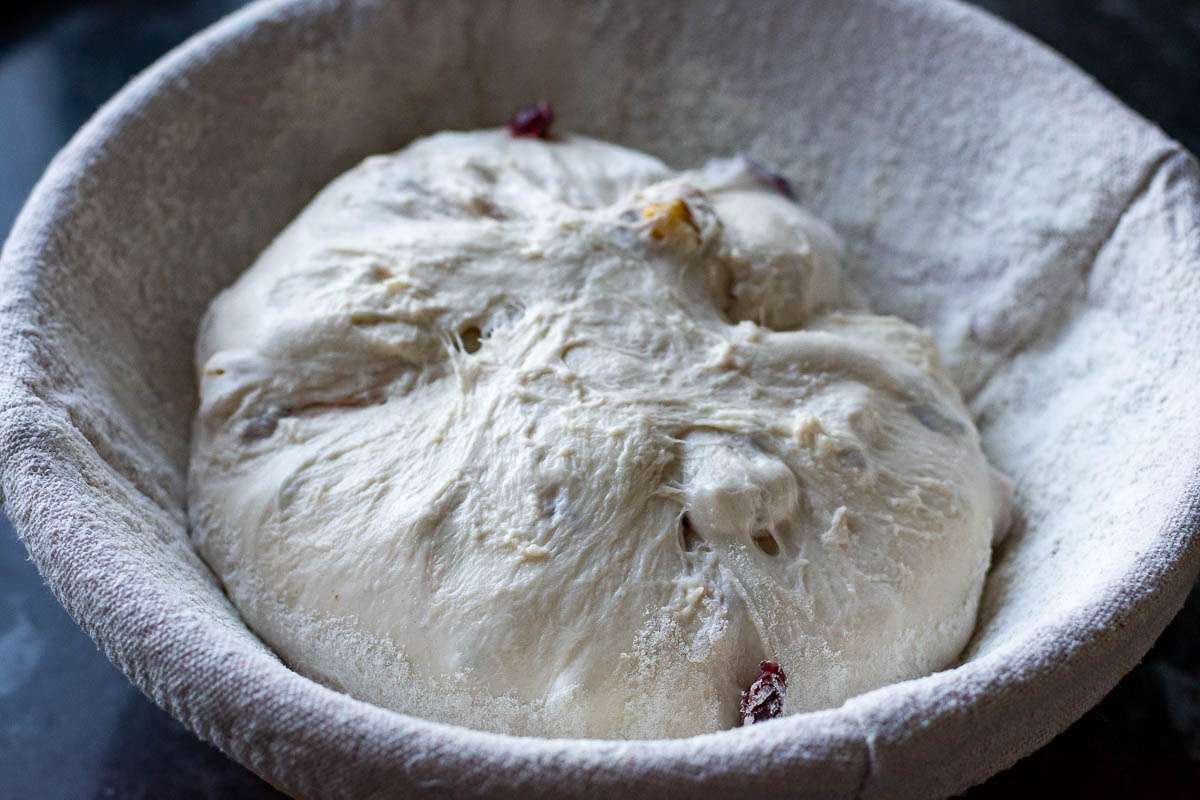
Most bannetons are made from rattan, a natural, breathable material. It lets some moisture escape, which keeps the dough from getting too sticky or soggy.
4. Better Crust Formation:
Because the dough isn't too wet, you get a better crust. It's crispy and delicious.
5. Easy Release:
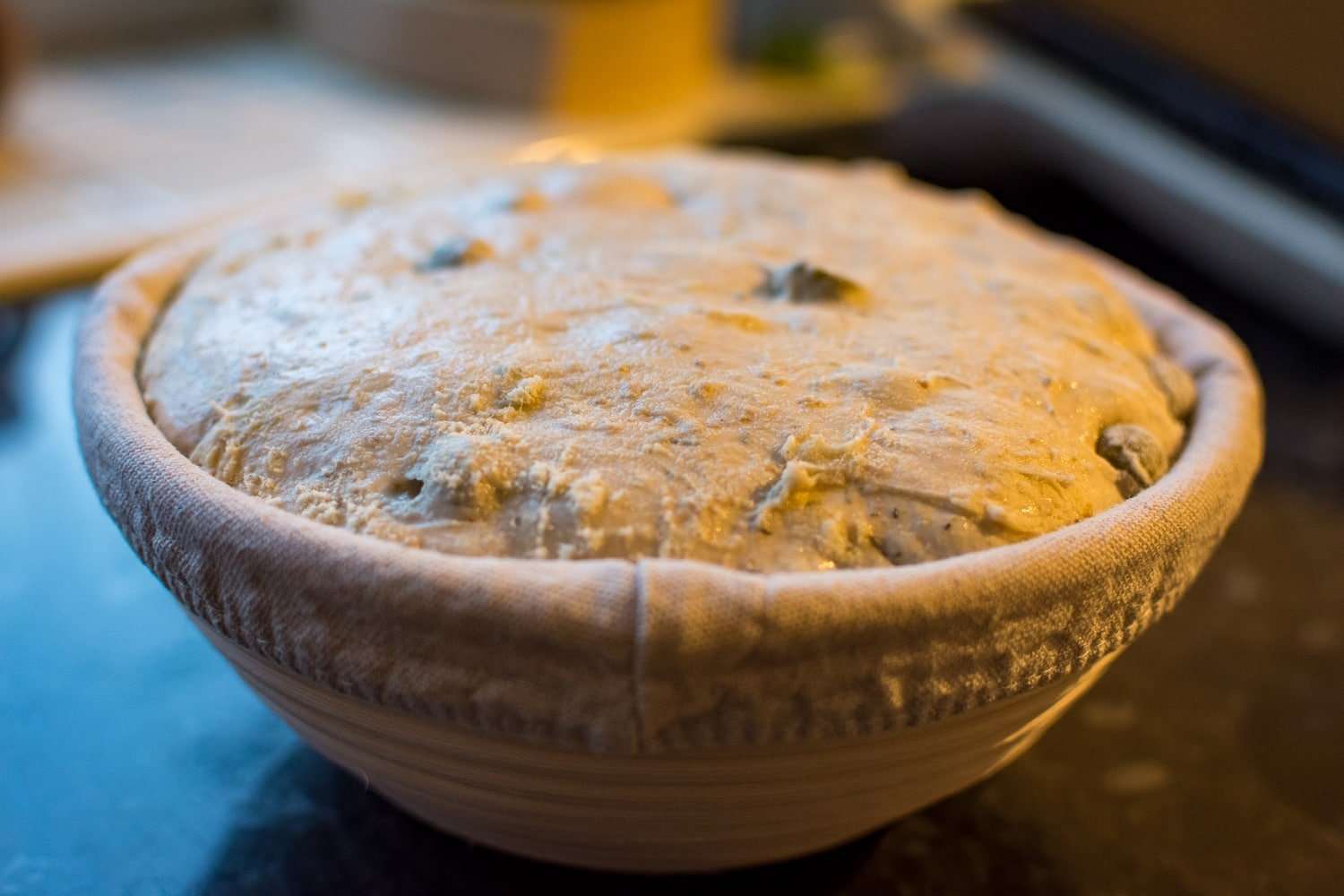
Less sticking means your dough slides out easily when it's time to bake. No more mangled loaves!
But What Is Proofing?
Proofing is the final rise your sourdough goes through before baking. During this time, the dough continues to ferment and expands as the wild yeast and bacteria produce gases. This gives your bread its airy texture and enhances its flavour. The final proof is crucial-it's when the dough develops its final shape and structure, ensuring a light, fluffy interior and a perfect crust.
Let's jump into the best proofing basket alternatives!
Best Alternatives To Banneton Basket
Here are 5 tried-and-tested banneton basket alternatives.
1. Mixing and Serving Bowls
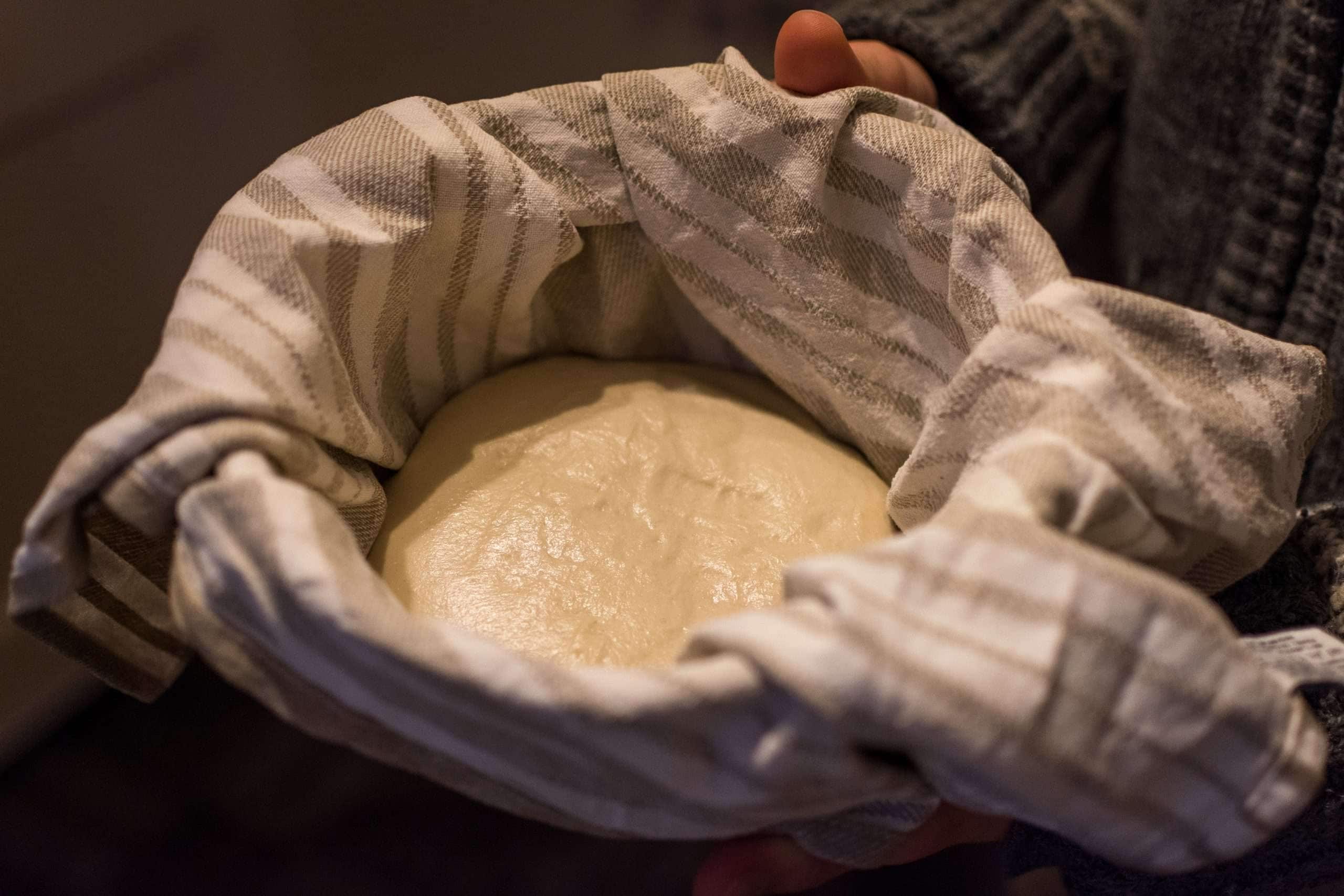
Mixing and serving bowls are practical alternatives - we all have some of them in our kitchens. Plus, they come in various sizes and shapes. Be sure to choose a bowl that is not too wide or shallow to avoid flat loaves and line and flour them well to avoid sticking. More information on fabrics and flour to use in the section below.
Advantages: Readily available, versatile. Disadvantages: Plastic and metal bowls aren't breathable, potentially leading to stickier dough.
2. Wicker Basket
A wicker basket can mimic the traditional banneton quite well. Make sure it's food-safe and line it with a well-floured cloth.
Advantages: Breathable, helps create a nice crust. Disadvantages: Not all wicker baskets are food-safe, and finding the right size can be tricky. Plus some of the baskets may be too open-weave.

3. Round Metal Colander
A round metal colander works surprisingly well. Its perforations allow some airflow, reducing stickiness.
Advantages: Breathable, good shape for round loaves. Disadvantages: It may be difficult to find the right size.
4. Loaf Pan (Metal or Ceramic)
A loaf pan is perfect for if you are looking for an oval loaf. Try to find one that doesn't have dents in the bottom (you want one with a flat bottom). Line it with a cloth and flour thoroughly, as previously discussed.
Advantages: Easy to shape dough, ideal for oval loaves. Disadvantages: Limited to loaf shapes, less breathable than traditional bannetons.
5. Deep Wok
A deep wok can be an unconventional but effective proofing vessel. Its shape supports round loaves well, provided it is a deep tall wok, not a shallow one.
Advantages: Good for round loaves, readily available in many kitchens. Disadvantages: Not breathable.
Things To Consider When Choosing A Banneton Alternative
1. Size and Shape.
If you want a round loaf, use a round bowl or wok. But don't pick a vessel that's too big for your dough. If it's too large, your dough will spread out and you'll end up with a flat loaf instead of a nice, tall one.

2. Cold Retard or Ambient Proof?
If you're proofing sourdough in the fridge (cold retard method), your dough is exposed to a dry environment. You'll need a vessel that fits inside a plastic bag to keep your dough from drying out, especially for proofs longer than 12 hours.
3. Material of The Vessel.
Choose natural, breathable materials if possible. Plastic or metal bowls trap moisture, so you'll need a good liner to absorb some of that. Also, avoid wicker baskets that might be sprayed with chemicals-make sure your container is food-safe.
4. Will Your Sourdough Stick?
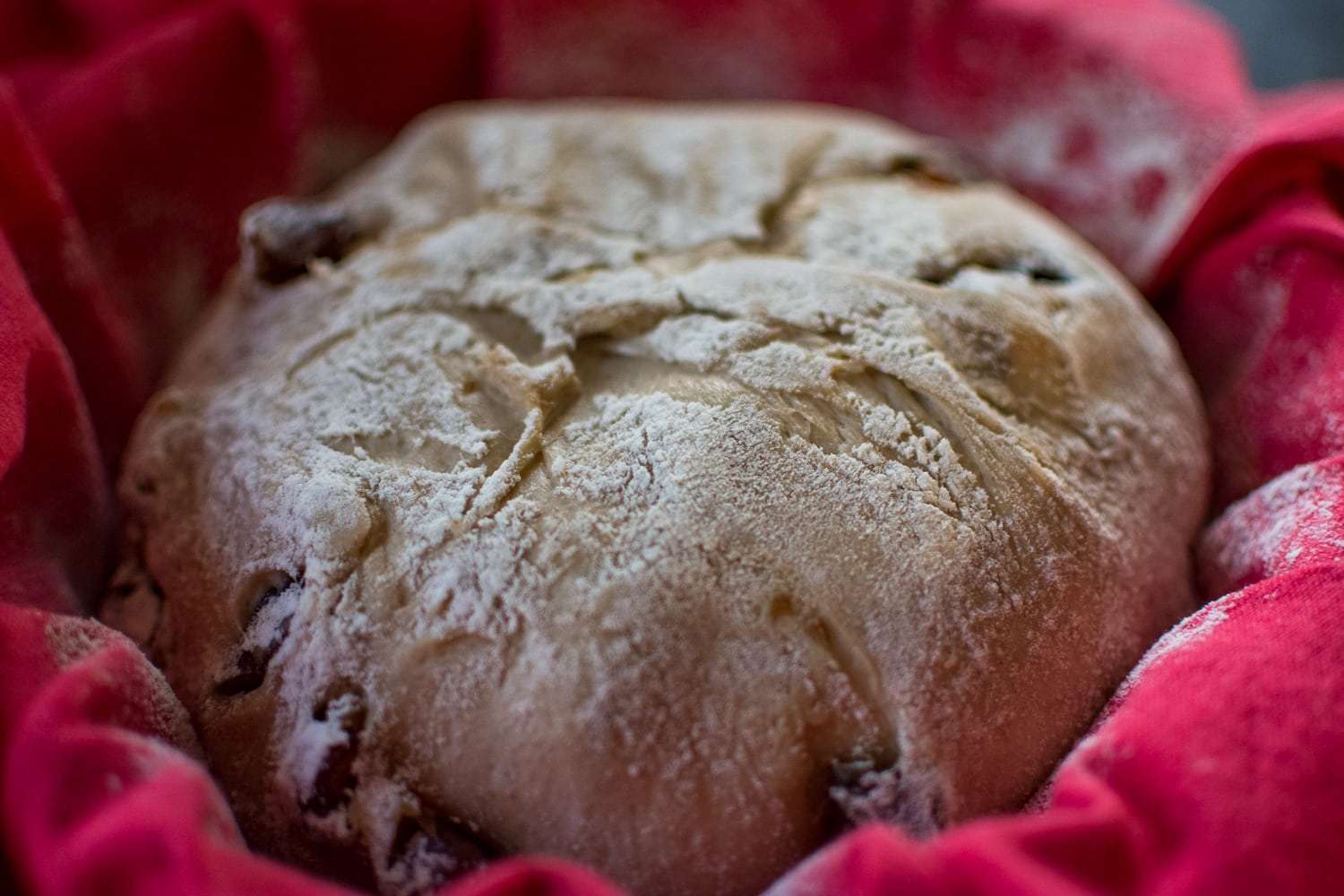
Yes, it might! Non-breathable vessels can make sticking worse. In the next section, I'll explain how to line your proofing bowls to prevent this.
What Do We Use At Somebody Feed Seb? We have one banneton basket (yes, that's right - just one!). We use a 20 cm (8 in) Benetton basket for almost all of our sourodugh loaves. And when we bake more than one at a time, we use a large metal bowl lined with a linen kitchen towel dusted with rice flour.
What To Line Your Proofing Vessel With?
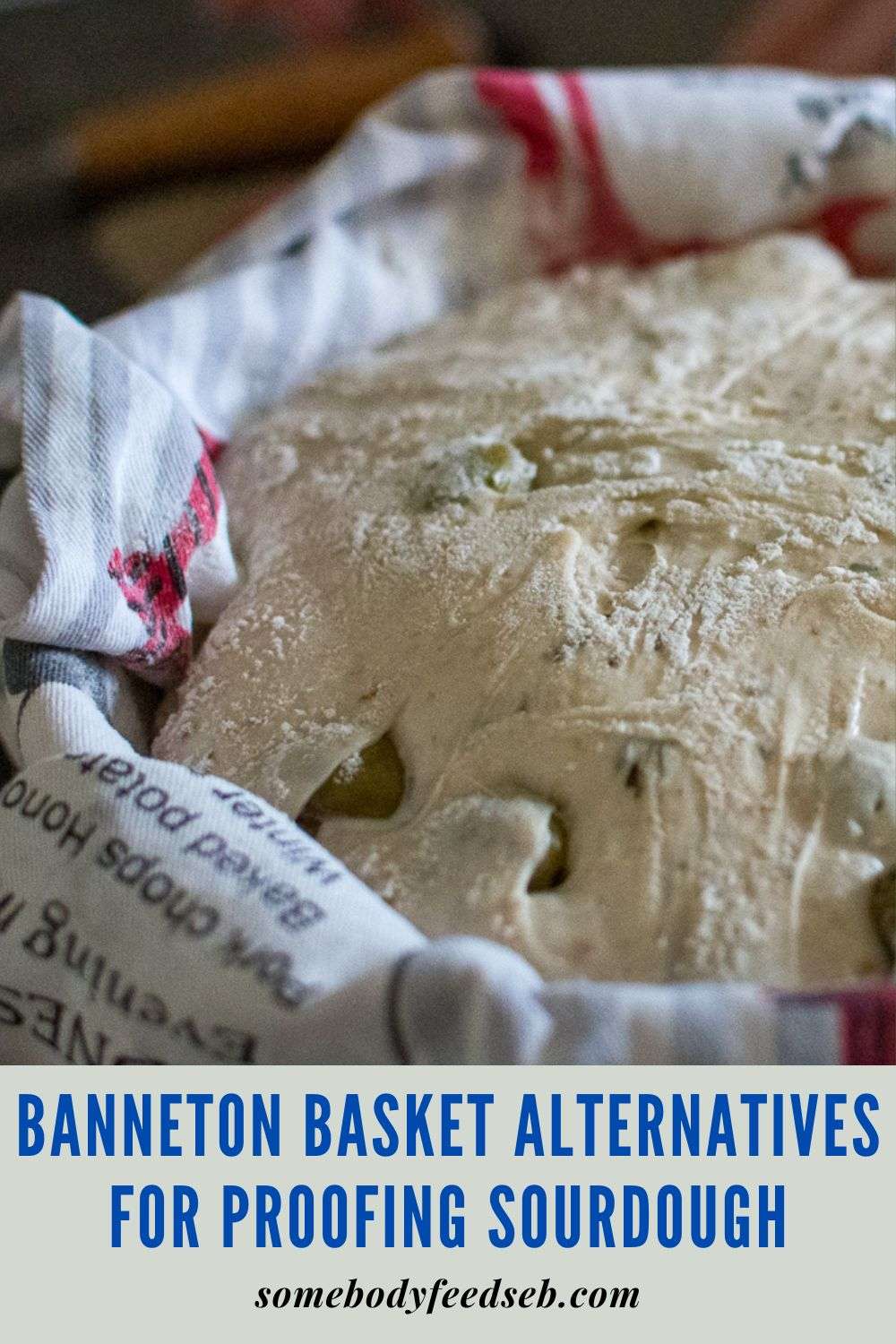
If you are not using a rattan banneton basket, you will need to line your proofing basket alternatives with a tea towel or other piece of fabric and dust it generously with flour.
What Fabric to Use?
When lining your proofing vessel, go for natural fabrics. Light cotton or linen tea towels and napkins work best. Avoid anything fluffy or heavy-these can stick to your dough.
Natural, lightweight, and absorbent fabrics help wick away moisture, making it easier to release the dough when it's ready to bake.
Flour Choice
No matter what fabric you use, make sure to flour it. The higher the hydration of your sourdough, the more flouring it will need. For lower-hydration doughs, standard white flour can work.
But for wetter doughs, rice flour is your best bet. Semolina flour or fine cornmeal are good alternatives. If you're out of those, whole wheat flour is less sticky than white flour.
TIP: dust off any excess flour before scoring and baking if you want to make sourdough crust softer.
More Sourdough Baking Techniques
- How To Feed Sourdough Starter (Feeding and Maintaining Tips)
- Beginner's Guide to Sourdough Autolyse: What, How & Why?
- Coil Folds For Sourdough Bread
- 10 Ways To Make Sourdough Bread Baking Exciting Again
- Sourdough Hydration Explained
- When is Sourdough Bread Done Proofing and Ready to Bake?
Leave a Reply