
Do you make the most delicious loaf of sourdough bread every week? Yes, you are getting rave reviews, you have a great routine and your loaves rise beautifully and taste amazing... But if you feel like it's all getting a little mundane, and you're ready for your next challenge, here are 10 ways to make sourdough bread baking exciting again!

Jump to:
- 1. Experiment With Different Types of Flour
- 2. Create A New Starter With A Different Flavour Profile
- 3. Push Sourdough Hydration Boundaries
- 4. Try Different Methods: Autolyse and Folding Techniques
- 5. Experiment With Different Starter Amounts and Lengths of Fermentation
- 6. Sourdough Mix-Ins Will Make Every Loaf Exciting
- 7. Practise Intricate Scoring Techniques
- 8. Travel Around The World With Your Sourdough
- 9. Find A Sourdough Community To Share Your Bread and Knowledge With
- 10. Sourdough Beyond Bread
1. Experiment With Different Types of Flour
When first starting out, it is common (and advisable) to stick to one type of flour. Many sourdough bakers start with their trusted brand of strong white flour and sometimes mix in some rye or whole wheat flour for extra nutrition.
But the word of grains is huge and exciting. Here are some types of flour to give a go:
- Light/ Medium/ Dark Rye (Sourdough Rye Bread recipe)
- Whole Wheat (100% Wholemeal Sourdough Bread recipe)
- Spelt (Spelt Flour Sourdough recipe)
- Einkorn (Einkorn Sourdough Bread recipe)
- Barley (Barley Sourdough Bread recipe)
- Oat (Honey Oat Sourdough Bread recipe)
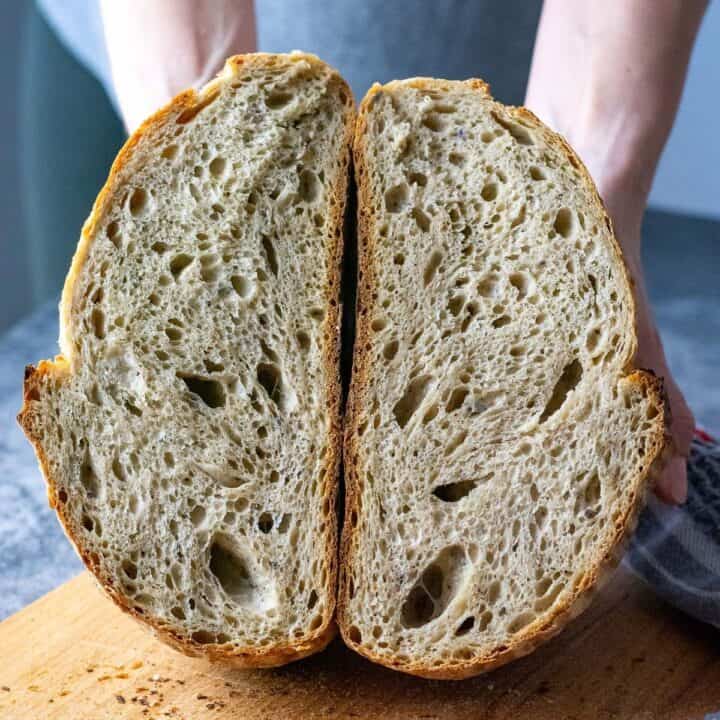
I recommend choosing one type of flour and mastering it first. Learn how the flour behaves, how it affects the hydration and the speed of bulk fermentation, and how it responds to different temperatures before moving on to the next type.

Different flours will not only add unique flavours to your sourdough bread, but they'll also affect everything from the crust and crumb texture to its rise, not to mention the nutritional value of your bread.
2. Create A New Starter With A Different Flavour Profile
Besides mix-ins and flour, your sourdough starter is the factor that affects the flavour of your sourdough bread the most. For example, rye starter or whole wheat flour starter will create a much tangier loaf of bread than white flour.
What is more, due to extra nutrition in whole grain flour, sourdough starter acts differently: it typically ferments faster is is a lot more active when fed regularly.

So take a challenge to create another starter from scratch: be it a rye, whole wheat or even a chocolate starter!
3. Push Sourdough Hydration Boundaries
Sourdough hydration levels affect everything, from the ease with which you can handle and shape the dough, to the texture of the crumb and crispiness of the crust.
So if you have been stuck in a rut with one trusted recipe, why not try and increase or decrease hydration, to see how it affects the overall process of baking sourdough? You can learn more about sourdough hydration and its effects on various stages of sourdough baking in our dedicated article on Sourdough Hydration!
And then try our High-Hydration Sourdough Bread for beginners!

4. Try Different Methods: Autolyse and Folding Techniques
There are a lot of different stages and techniques involved in sourdough baking, and you are sure to find something that you haven't tried yet! For example:
- Try autolyse if you're not doing it already. Or try fermentolyse instead to see the difference it makes on your dough! Read more about both methods in our Sourdough Autolyse article.
- Coil Fold your sourdough instead of the more common stretch and fold method. It is a game-changer for high-hydration sourdough!
- Adding mix-ins to your sourdough? Instead of folding them in, try the sourdough lamination method: you can use it midway through bulk fermentation or just before shaping to create a swirl effect!

5. Experiment With Different Starter Amounts and Lengths of Fermentation
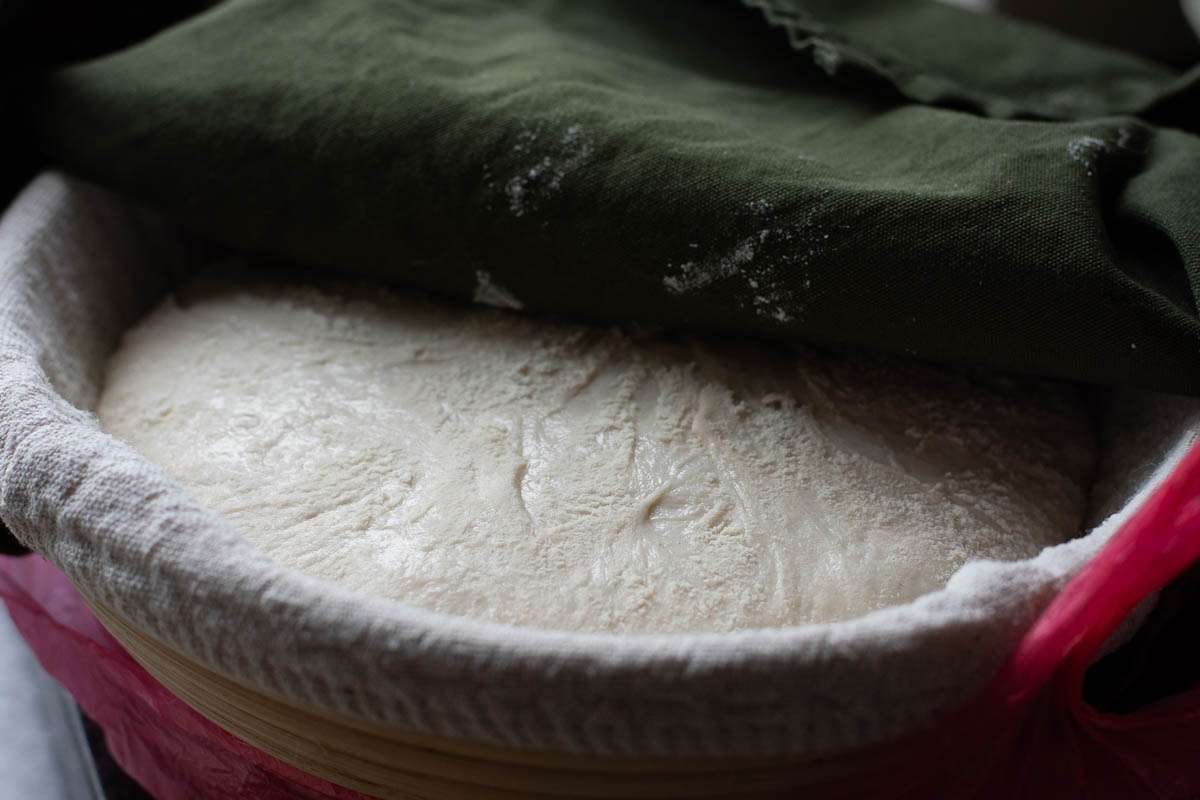
How long does your bulk fermentation take? 4 hours at room temperature, then 10 hours in the fridge? It is a well-known fact that longer fermentation can significantly improve the flavour of your sourdough (yes, we are talking about that signature tang of sourdough), however you rink over-fermenting the dough, which typically results in flat loaves of bread.
Try reducing the amount of sourdough starter in the dough and adjust bulk fermentation timings to see how your dough behaves, and soon you'll be able to reap the benefits of longer fermentation.
6. Sourdough Mix-Ins Will Make Every Loaf Exciting
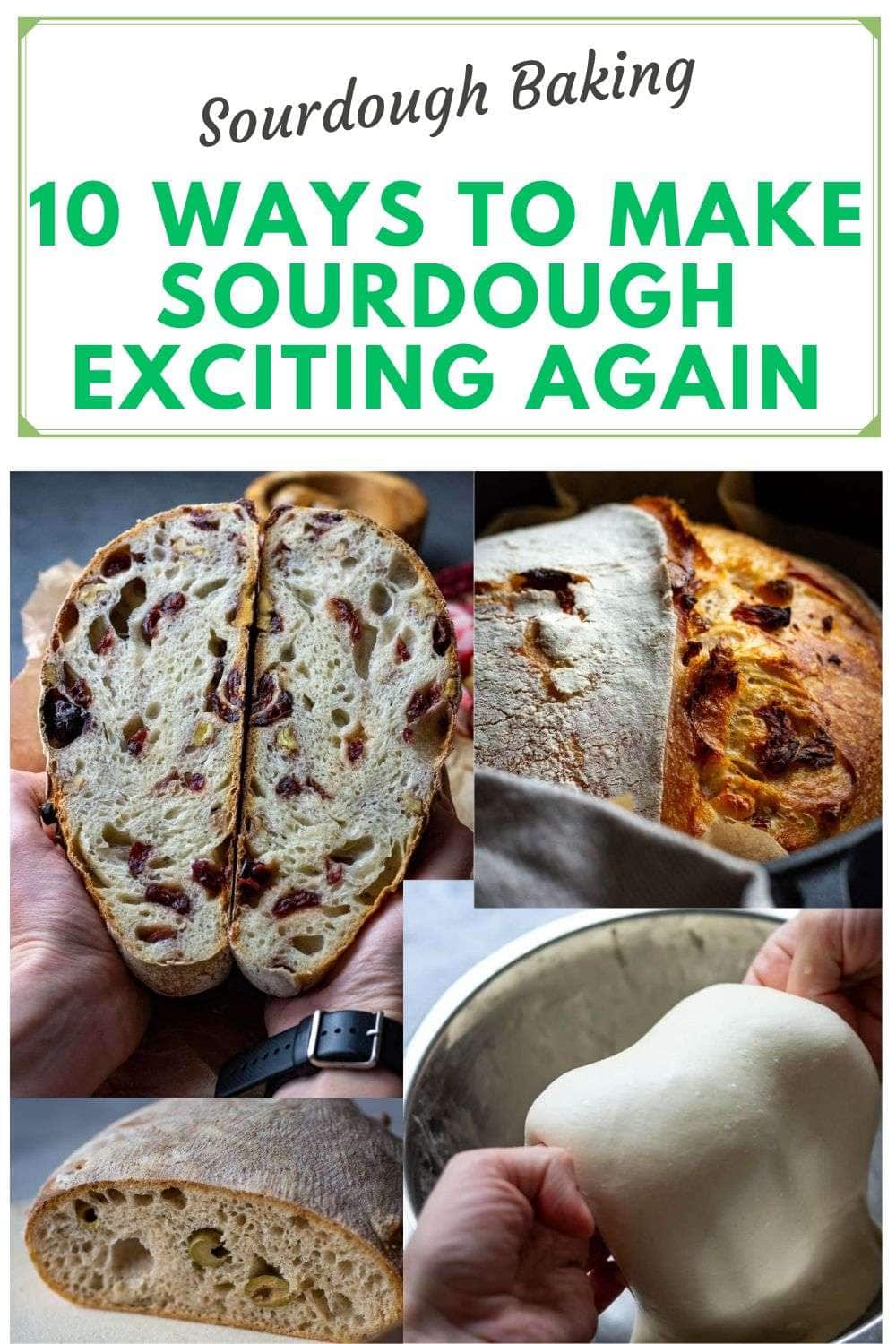
Ok, this is where I get extremely excited! Plain everyday sourdough is extremely versatile, but when you are looking for a perfect pairing to go with your meals, nothing is more impressive than adding inclusions to your sourdough. Just picture this:
- Slices of Roasted Garlic and Olive Sourdough with your charcuterie board.
- Cranberry and Walnut Sourdough to dip into baked camembert.
- Fresh Strawberry Sourdough slathered with cream cheese.
- Chocolate Sourdough with Black Cherry jam that turns your breakfast toast into a Black Forest Gateau!
- Try Jalapeño Cheddar Sourdough Bread for a spicy kick!
- How about Lemon Poppy Seed Sourdough Bread for a summer breakfast!
- Go for Caramelised Onion and Cheddar Sourdough Bread for a little savoury sweetness.

Adding mix-ins to your sourdough comes with a few challenges, which simply means it's a great ongoing experiment for sourdough bakers! From hydration to bulk fermentation, from crumb to crust, mix-ins definitely change more than the flavour of your bread!
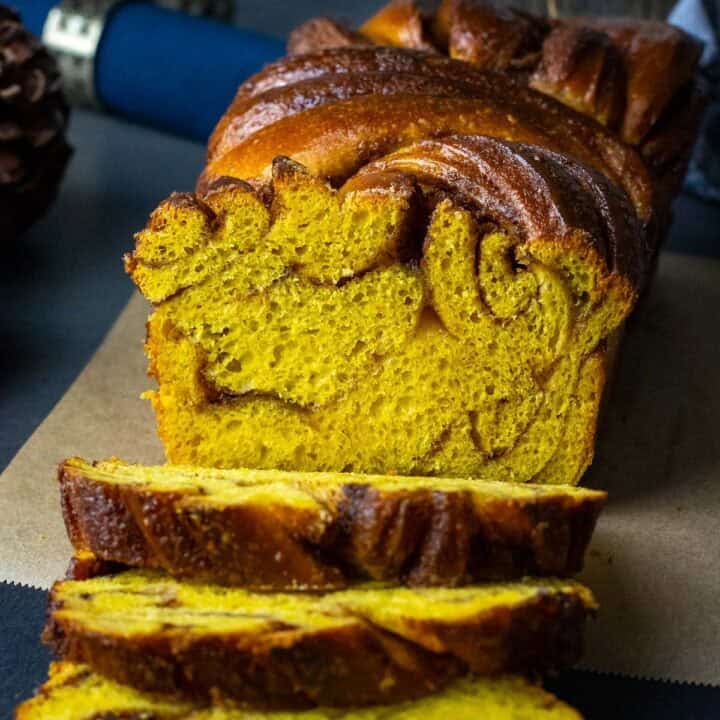
Or add mix-ins for colour, like we do in our Turmeric Sourdough Bread, Raspberry Powder Sourdough or Matcha Sourdough Bread!
You can also add texture for the crust, like we do in our Sesame Seed Sourdough Bread or Sunflower Seed Sourdough Bread.
To make the journey easier and extremely delicious, we have an in-depth eBook that will teach you all about when, how and what to add to your sourdough bread!
Flavoured Sourdough: How, When and What Mix-Ins To Add To Your Sourdough?
Discover a variety of mix-ins and learn how they affect hydration and bulk fermentation, master the art of substituting water with coffee and tea, and explore a plethora of creative mix-in ideas. Plus, get 2 exclusive bonuses that will inspire you to create the most flavoursome and unique sourdough!

7. Practise Intricate Scoring Techniques
If you make amazing-tasting sourdough bread, a great way to challenge yourself is to make your sourdough bread visually appealing. Start by getting that consistently open sourdough "ear", then move on to artistic scoring of your loaves!
8. Travel Around The World With Your Sourdough
If you're a little bored of simply shaping your sourdough into a boule or batard and baking it, try some delicious bread from around the world! What is it going to be?
A French Sourdough Fougasse?
An Italian Focaccia? With Olives? Or Sourdough Focaccia with Potatoes and Rosemary?
Or maybe Indian Naan Flatbreads?


9. Find A Sourdough Community To Share Your Bread and Knowledge With
Baking sourdough becomes a truly enriching experience when shared with others who share your passion. Finding a community of fellow bakers, whether locally or online, adds a social and educational dimension that can transform your baking journey. Hosting educational baking evenings or tasting sessions allows you to exchange tips, techniques, and inspiration while enjoying each other's creations.
Additionally, online sourdough communities and social media groups provide a platform to connect with bakers worldwide, share your triumphs and challenges, and continuously learn and grow. Engaging with others in this way not only enhances your skills but also makes the art of sourdough baking more exciting and fulfilling.
We discuss lots of benefits of baking sourdough in our dedicated article - Why Bake Sourdough? A Great Hobby To Start In The New Year.
10. Sourdough Beyond Bread
Finally, the fact that sourdough starter can be used in bakes beyond bread is often overlooked. Why limit yourself to loaves of bread, when you can make delicious French pastries, like sourdough croissants, pain au chocolat and kouign amann? And you must try our Sourdough Smoked Cheddar and Jalapeño Croissants.
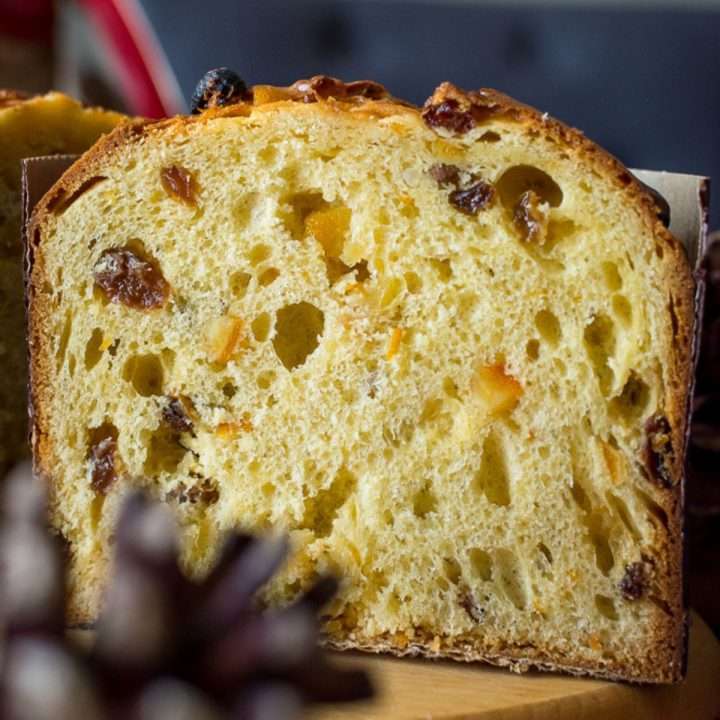
What is more, sourdough can be used in anything from hamburger buns to cheese and pesto rolls to your Christmas Panettone!



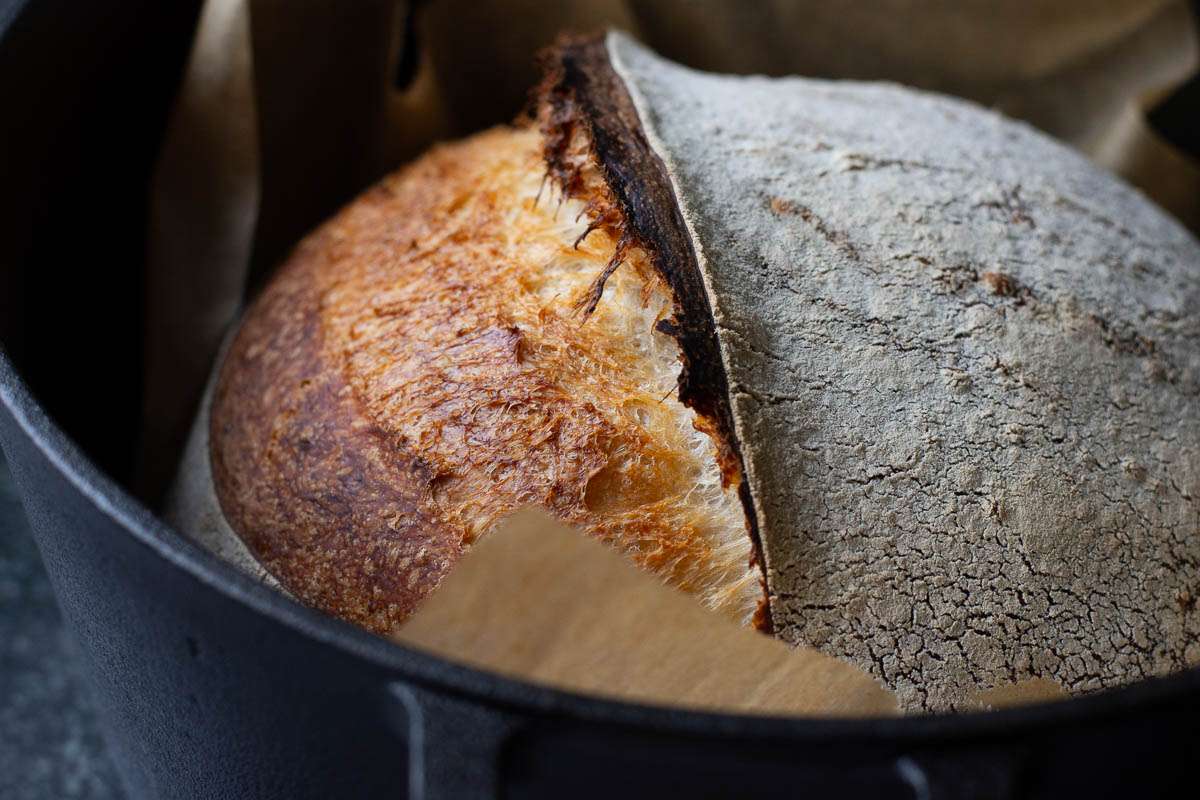
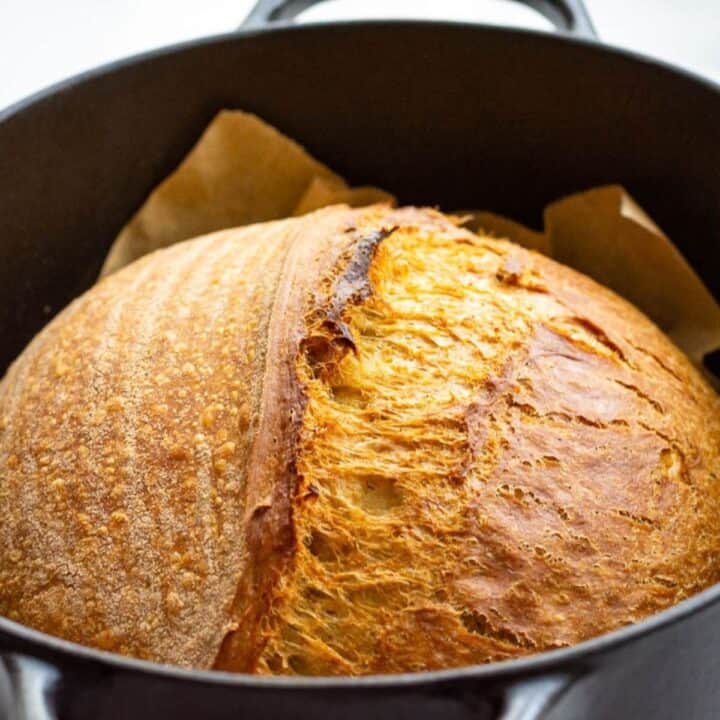
What makes you excited about baking with sourdough? For me, it is that sourdough "ear" I see when I take the lid off the Dutch Oven. And all the endless possibilities to add flavour to my basic loaf that makes bread new and exciting every single time!

Leave a Reply