
If you've found yourself lingering on sourdough videos, saving recipes you're not quite ready to try, or thinking "maybe this year", you're not alone. Sourdough has a way of quietly pulling people in. It looks slow, tactile, slightly mysterious - and for many, that's exactly the appeal. While sourdough bread is often praised for being easier to digest and more nourishing, the real reasons people stick with it go far deeper than health claims. Baking sourdough becomes a skill, a rhythm, and for many, a deeply satisfying way to reconnect with real food.

Jump to:
- Let's Address the Health Side (Briefly, and Properly)
- Sourdough Is a Hobby That Grows With You
- It Slows You Down (Without Feeling Unproductive)
- It Makes You a Better Baker (Even If You Don't Realise It)
- You Learn to Read Ingredients - Not Just Recipes
- The Community Is Genuinely Supportive
- A Few More Reasons People Stick With Sourdough
- Common Sourdough Myths (Let's Clear These Up)
- Where Do I Start?
As an Amazon Associate I earn from qualifying purchases, at no extra cost for you! Thank you!
Let's Address the Health Side (Briefly, and Properly)
Sourdough is not a miracle food, but there are well-documented reasons why many people find it gentler than conventional bread.
During long fermentation, lactic acid bacteria and wild yeasts partially break down starches and gluten, and reduce phytic acid - a naturally occurring compound in grains that can inhibit mineral absorption. The Harvard T.H. Chan School of Public Health explains how traditional fermentation methods, including sourdough, can reduce phytic acid and improve mineral bioavailability compared to quickly fermented breads.
Similar findings are reflected in UK-based research on grain fermentation and mineral absorption. Work associated with the University of Leeds discusses how fermentation and processing of cereals can influence nutrient availability, particularly minerals such as iron and zinc.
There is also evidence that sourdough fermentation alters starch structure and organic acid production, which may contribute to a lower glycaemic response compared to standard yeast-leavened bread. A scientific review published in the Journal of Nutrition & Metabolism reports that sourdough fermentation may improve carbohydrate metabolism and protein digestibility for some people, while clearly noting that sourdough is not suitable for those with coeliac disease.
That said, sourdough is still bread. Its value lies not in restriction or fear, but in fermentation, flavour and intention.
Sourdough Is a Hobby That Grows With You
What makes sourdough so compelling is that it meets you exactly where you are. Your first loaf doesn't need to be perfect - it just needs to be edible (or not quite). From there, curiosity takes over.
You can keep things simple or go deep. Hydration, bulk fermentation timing, flour choices, shaping - sourdough offers just enough challenge to keep you engaged without becoming exhausting. It's one of those rare hobbies where improvement feels earned, not forced.
And unlike many short-lived January resolutions, sourdough doesn't demand daily intensity. It rewards patience, observation and gradual learning.

It Slows You Down (Without Feeling Unproductive)
Sourdough introduces waiting back into the kitchen - not idle waiting, but intentional pauses. Folding dough by hand. Letting fermentation do its work. Planning ahead instead of rushing.
There's something quietly grounding about checking dough rather than checking notifications. Many bakers find the physical rhythm of sourdough - feeding a starter, shaping a loaf, waiting for bulk fermentation to finish - genuinely therapeutic. It's not mindfulness by instruction, but by necessity.

It Makes You a Better Baker (Even If You Don't Realise It)
One of sourdough's best-kept secrets is how much it teaches you about baking as a whole.
You start to understand:
- Why protein content matters in flour
- How fermentation affects structure and flavour
- What fat does to dough
- How hydration changes crumb and crust
These lessons transfer everywhere - to yeasted bread, enriched doughs, pastries, even cakes. Sourdough bakers tend to become more intuitive, confident bakers overall, because they understand why things work, not just how to follow a recipe.
You Learn to Read Ingredients - Not Just Recipes
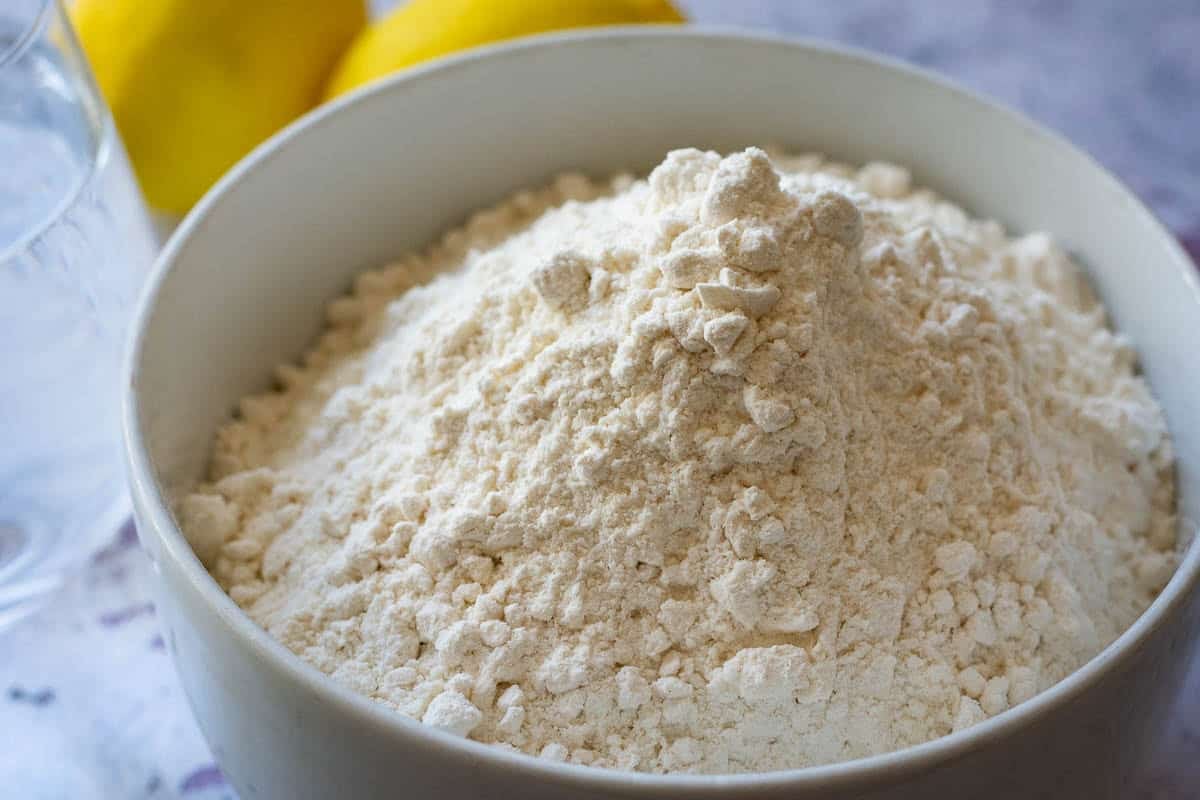
Once you bake sourdough, flour stops being "just flour". You notice protein levels, extraction rates, milling styles. You begin choosing ingredients intentionally rather than habitually.
This isn't about perfection or purity - it's about understanding what you're working with. That confidence spills over into the rest of your cooking and baking, quietly raising the bar.
The Community Is Genuinely Supportive
This might be the most surprising part.
Sourdough communities - on social media, forums, comment sections - are unusually kind. People share failures as openly as successes. There's little gatekeeping and a lot of encouragement.
Bakers troubleshoot together, celebrate small wins, and remind each other that dough is forgiving. It's rare to find a space that values learning over perfection, but sourdough has built one.
A Few More Reasons People Stick With Sourdough
It gives structure without pressure.
Sourdough provides a rhythm, not a rulebook. Miss a fold? The dough survives. Forget a feed? Starters recover.
It makes ordinary days feel special.
A loaf cooling on the counter changes the atmosphere of a home. Sourdough turns everyday meals into something intentional.
It invites creativity without reinvention.
The same base dough becomes different breads through seasons, flavours, and small tweaks.
Common Sourdough Myths (Let's Clear These Up)
Myth: Sourdough is only bread.
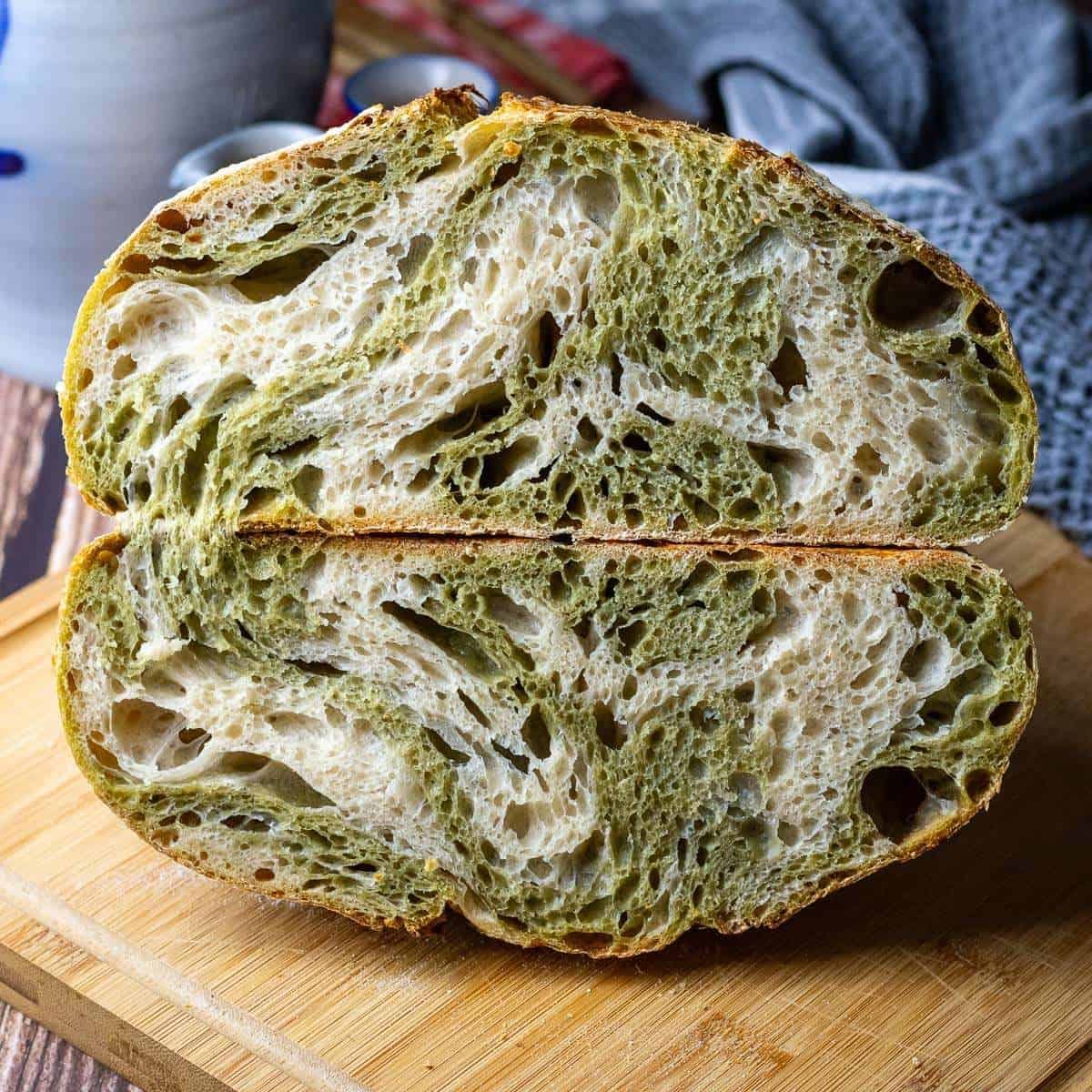
Sourdough is a fermentation method, not a product. It works beautifully in Hot Cross Buns, panettone, croissants, pain au chocolat. Anything you'd use commercial yeast for, you can make with sourdough!
Myth: You need expensive equipment.
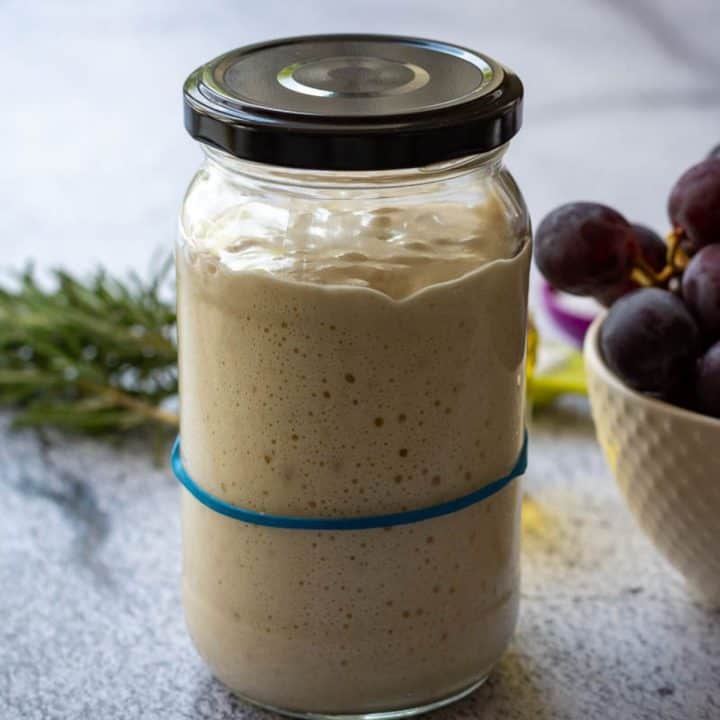
You can start with a bowl, a jar, a spoon and an oven. Dutch ovens and bannetons are helpful tools, not entry requirements.
Myth: Sourdough is expensive.
Yes, it costs more than supermarket sliced bread. But it's significantly cheaper than buying good bakery sourdough - and far more rewarding.
Myth: It takes over your life.
Once you understand fermentation, sourdough adapts to your schedule. The fridge is your greatest ally.
Myth: Sourdough is wasteful.
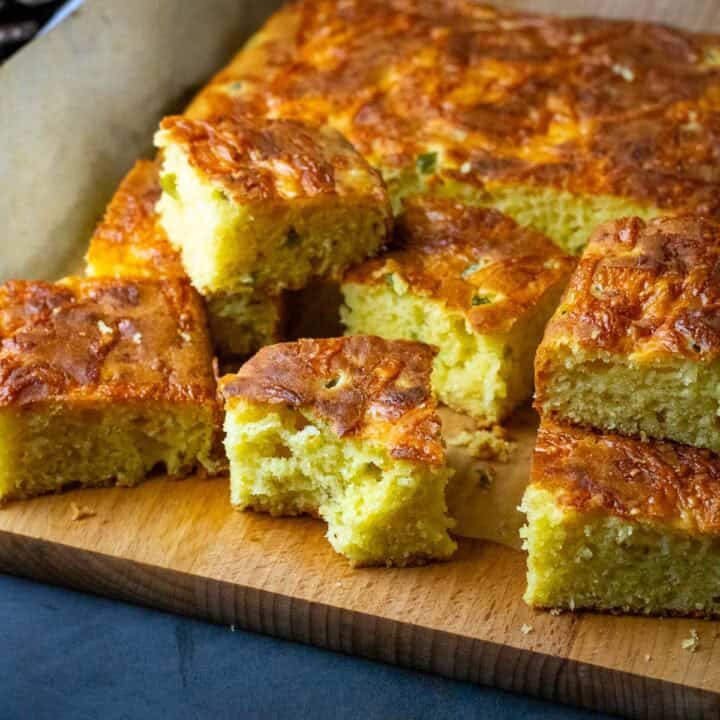
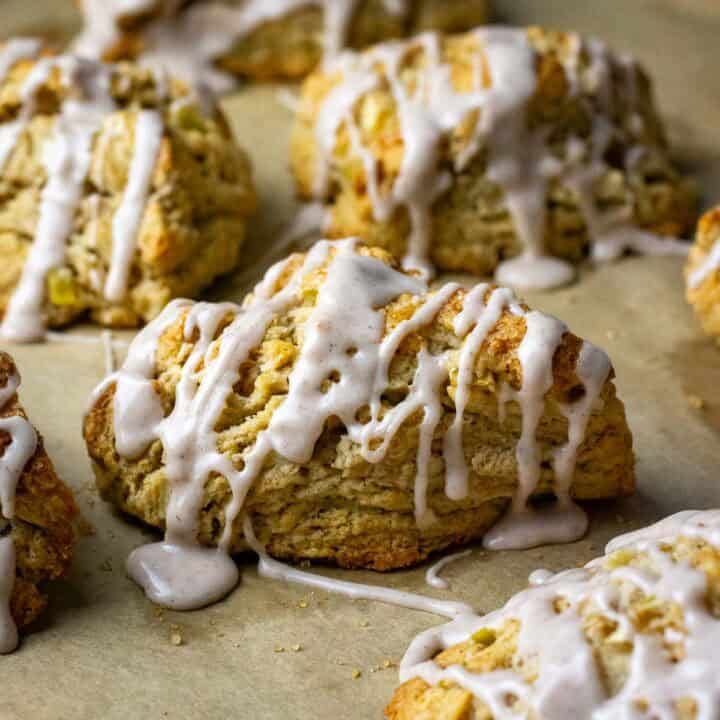
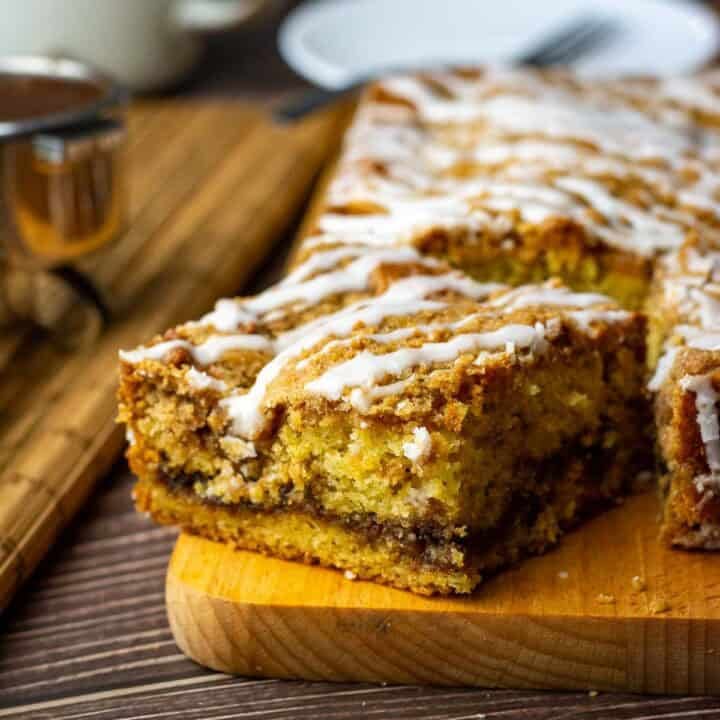
Feeding sourdough starter regularly means you may need to discard some of the starter, but truth be told, I have never thrown away any of my discard. And I have a whole Sourdough Discard Recipe Collection!

Where Do I Start?
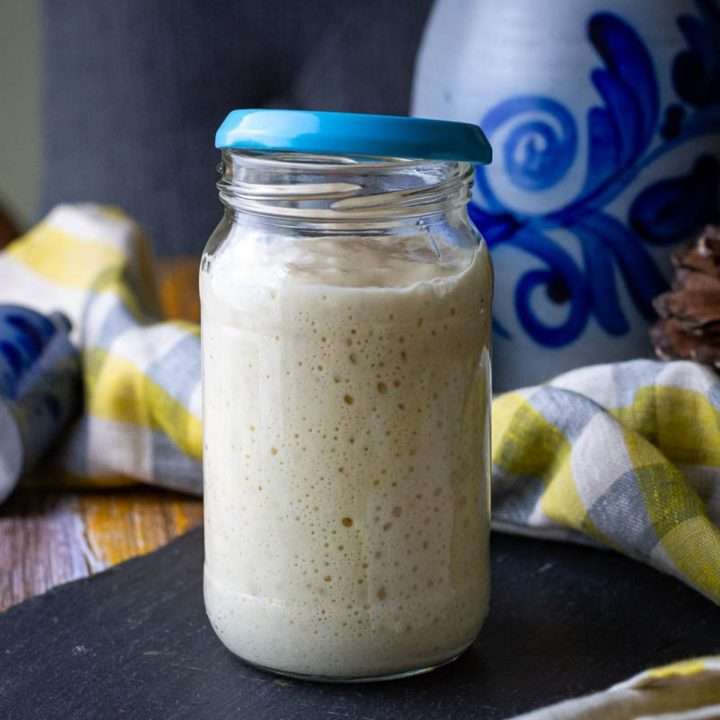
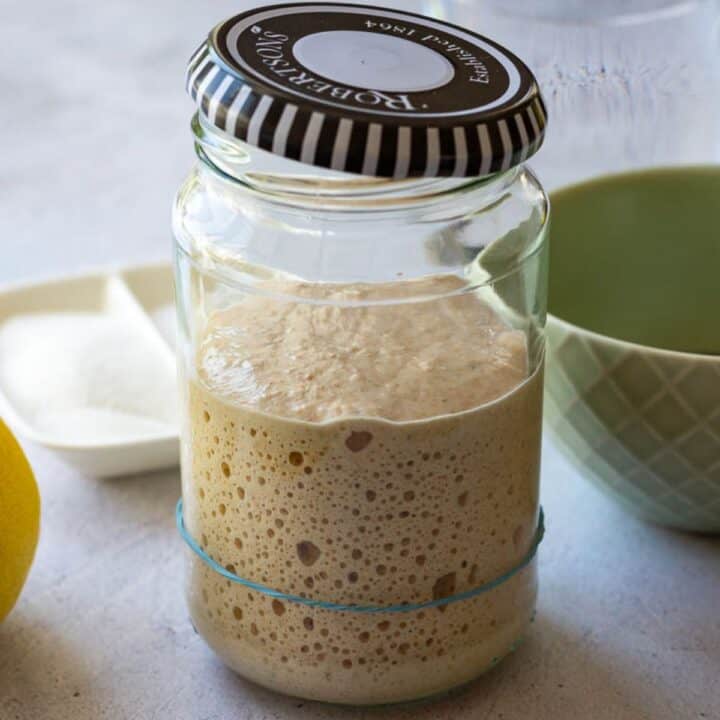
Start small. A simple flour-and-water starter. One basic sourdough loaf recipe. No pressure to master everything at once.
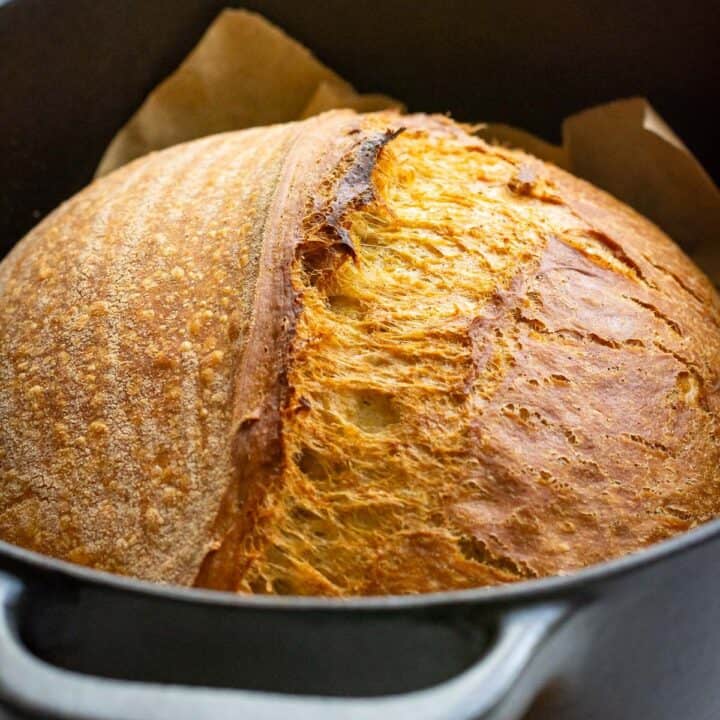
Focus on learning how dough feels rather than chasing perfection. Expect imperfect loaves - they're part of the process. Every sourdough baker you admire has baked dense, flat, overproofed bread at some point.


If you're looking for a skill that feeds you, challenges you just enough, connects you to others, and encourages you to slow down, sourdough is a surprisingly good place to begin.
Not because it's trendy.
But because it sticks.


Leave a Reply