
New to sourdough? Welcome. It is delicious, rewarding and, at first, full of words that sound like they were invented to make bread feel more complicated than it needs to be.
This sourdough glossary explains the most common sourdough terms in simple language, so you can follow recipes, understand techniques and bake with a little more confidence.

A
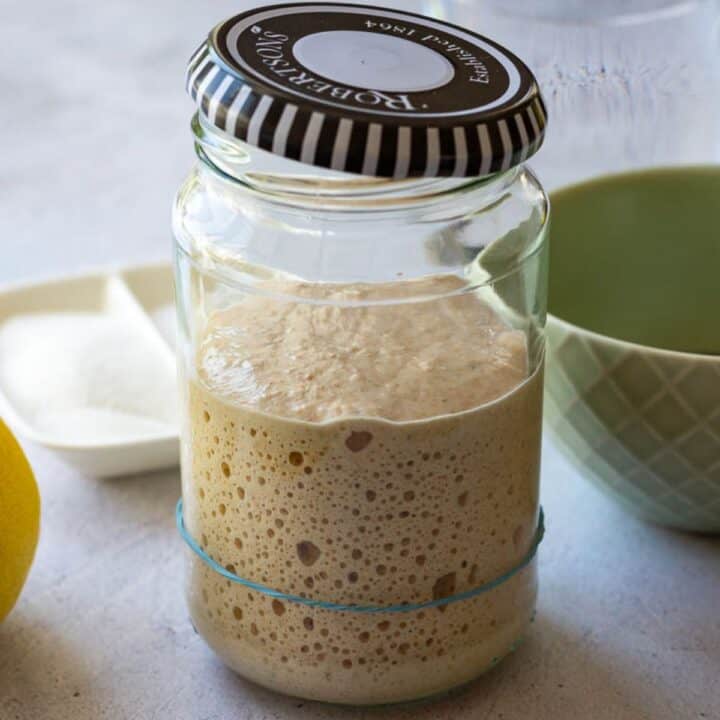
Active Sourdough Starter
An active sourdough starter is a starter that has recently been fed and is bubbly, risen and ready to use in bread dough. Most sourdough bread recipes need active starter, not starter straight from the fridge.
Autolyse
Autolyse is a rest period where flour and water are mixed together before adding starter and salt. It gives the flour time to hydrate, helps gluten start developing and can make the dough easier to handle.
B
Baker's Percentage
Baker's percentage is a way of writing bread formulas where every ingredient is measured against the flour weight. Flour is always 100%, then water, starter and salt are shown as percentages of that flour weight. Useful, but not something beginners need to obsess over on day one.
Banneton
A banneton is a proofing basket used to support shaped sourdough dough during its final proof. It helps the dough hold its shape before baking. You can also use a bowl lined with a well-floured tea towel.
Batard
A batard is an oval-shaped loaf of sourdough bread. It sits somewhere between a round boule and a longer loaf.
Bench Rest
A bench rest is a short rest after pre-shaping the dough and before final shaping. It lets the gluten relax, which makes the dough easier to shape.
Boule
A boule is a round loaf of sourdough bread. It is one of the most common shapes for homemade sourdough.
Bulk Fermentation
Bulk fermentation is the first main rise after the dough has been mixed. During this stage, the dough develops flavour, strength and structure. It is one of the most important parts of sourdough baking.
C
Coil Folds
Coil folds are a gentle folding technique used to build dough strength during bulk fermentation. You lift the dough from the centre and tuck it under itself, usually rotating the bowl as you go.
Cold Proof
Cold proofing means placing shaped dough in the fridge for its final rise. This slows fermentation, improves flavour and often makes scoring easier.
Crumb
The crumb is the inside of the bread. It can be open and airy, soft and even, tight and dense, or somewhere in between. A good crumb depends on the recipe, not just how many holes you can achieve.
Crust
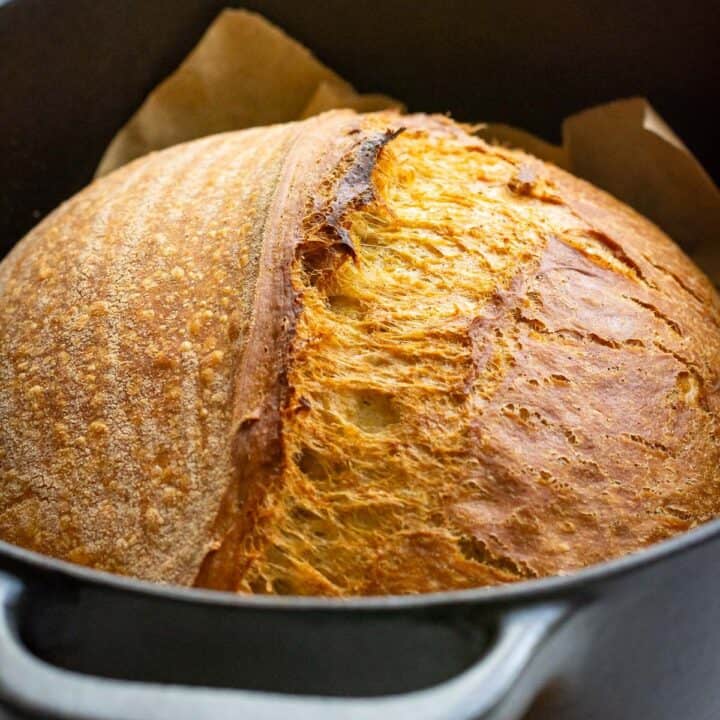
The crust is the outside of the loaf. In sourdough, it can be thin and crisp, thick and chewy, soft, blistered or deeply caramelised depending on the recipe and baking method.
D
Discard
Sourdough discard is the portion of starter removed before feeding. It is usually not strong enough to raise bread on its own, but it is perfect for pancakes, crackers, muffins, cakes, cookies and other sourdough discard recipes.
Dough Hook
A dough hook is the stand mixer attachment used for kneading or mixing bread dough. It can be helpful for lower-hydration doughs, enriched sourdough and recipes where you want less hand mixing.
Dutch Oven
A Dutch oven is a heavy lidded pot, often made from cast iron, used for baking sourdough bread. It traps steam around the dough, helping with oven spring and crust development.
E
Ear
An ear is the lifted flap of crust that forms when sourdough is scored well and expands strongly in the oven. It looks lovely, but no, your bread is not a failure if it does not have one.
Enriched Dough
Enriched dough contains ingredients such as butter, milk, eggs or sugar. Sourdough brioche, milk bread and cinnamon rolls are examples of enriched sourdough recipes.
F
Feeding
Feeding means adding fresh flour and water to your sourdough starter. This gives the yeast and bacteria fresh food so the starter becomes active and bubbly again.
Fermentation
Fermentation is the process where wild yeast and bacteria in the starter feed on flour and produce gas, flavour and acidity. It is what makes sourdough rise and gives it its characteristic tang.
Fermentolyse
Fermentolyse is similar to autolyse, but the sourdough starter is mixed in with the flour and water before the dough rests. Salt is usually added later. It helps hydrate the flour, start gluten development and begin fermentation at the same time.
Final Proof
The final proof is the last rise after shaping and before baking. It can happen at room temperature or in the fridge as a cold proof.
Flour Strength
Flour strength refers to how well flour can develop gluten, stretch, hold gas and support dough structure. Strong bread flour is usually a good choice for sourdough bread.
G
Gluten
Gluten is the protein network that forms when flour and water are mixed. It gives bread dough stretch, strength and structure.
Gluten Development
Gluten development is the process of strengthening the dough so it can trap gas and rise properly. Mixing, kneading, stretch and folds, coil folds and lamination can all help develop gluten.
H
Hydration
Hydration is the amount of water in the dough compared with the amount of flour. A 70% hydration dough contains 70g water for every 100g flour. Higher hydration doughs are usually wetter, stickier and more open-crumbed.
High-Hydration Dough
High-hydration dough contains more water and is usually looser and stickier to handle. It can produce a lighter, more open crumb, but it is also trickier for beginners.
Hooch
Hooch is the liquid that can collect on top of a hungry sourdough starter. It is usually a sign that the starter needs feeding. It can be stirred in or poured off, depending on how acidic or neglected the starter is.
I
Inclusions
Inclusions are ingredients added to sourdough dough for flavour or texture. Think cheese, olives, seeds, nuts, herbs, dried fruit, chocolate or roasted vegetables.
K
Kneading
Kneading is a way of developing gluten by working the dough. In sourdough, kneading may be done by hand, in a stand mixer, or replaced partly by stretch and folds or coil folds.
L
Lame
A bread lame is a small tool used to score dough before baking. A sharp razor blade also works well.
Lamination
Lamination is a technique where dough is gently stretched into a thin sheet and folded back up. In sourdough bread, it can help build strength and distribute inclusions evenly.
Levain
A levain is a portion of starter mixed with flour and water to create the preferment used in a specific bread recipe. Some recipes use the terms levain and active starter differently, while others use active starter directly.
M
Mature Starter
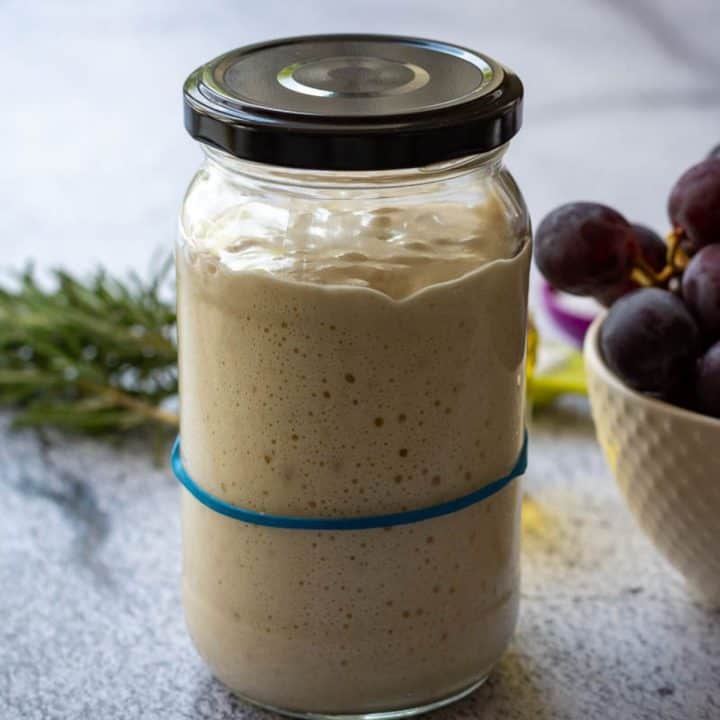
A mature starter is a well-established sourdough starter that rises reliably after feeding and has enough strength to raise bread dough.
Mix-Ins
Mix-ins are ingredients added to sourdough dough, just like inclusions. Cheese, seeds, nuts, herbs and dried fruit are all common sourdough mix-ins.
O
Open Crumb
Open crumb means the inside of the bread has larger, irregular holes. It is often associated with higher hydration doughs and good fermentation, but not every sourdough loaf needs a wildly open crumb to be delicious.
Oven Spring
Oven spring is the final burst of rise that happens when dough first goes into a hot oven. Good oven spring depends on strong dough, good fermentation, proper proofing and enough steam.
Overproofed
Overproofed dough has fermented for too long. It may feel weak, sticky, slack or difficult to shape, and the baked loaf may be flatter than expected.
P
Peak Starter
A starter is at peak when it has risen fully after feeding and is just about to start falling. This is usually the best time to use it in sourdough bread.
Poke Test
The poke test is a way to check whether shaped dough is ready to bake. Gently poke the dough: if it springs back slowly and leaves a slight dent, it is often ready. If it springs back instantly, it may need longer. If it collapses, it may be overproofed.
Pre-Shape
Pre-shaping is a gentle first shaping step before the final shape. It helps organise the dough and build surface tension.
Proofing
Proofing is the rise after shaping. It can happen at room temperature or in the fridge. In sourdough recipes, proofing affects flavour, texture and how the dough behaves in the oven.
R
Razor Blade
A razor blade is used to score sourdough before baking. It gives a clean cut, helping the dough open in a controlled way.
Retard
To retard dough means to slow fermentation by placing it in the fridge. This is another way of describing a cold proof.
Rubaud Mixing
Rubaud mixing is a hand-mixing technique where you scoop, lift and slap the dough repeatedly in the bowl. It helps build gluten without traditional kneading, especially in wetter doughs.
S
Scoring
Scoring means cutting the surface of the dough just before baking. It controls where the loaf expands in the oven.
Shaping
Shaping is the step where dough is formed into its final shape, usually a boule, batard or loaf tin shape. Good shaping helps the dough hold structure and rise well.
Sourdough Discard
Sourdough discard is unfed or leftover starter removed before feeding. It is not waste if you bake with it - it is basically a tiny excuse to make pancakes.
Sourdough Starter
A sourdough starter is a mixture of flour and water fermented with wild yeast and bacteria. It is what makes sourdough bread rise without commercial yeast.
Starter Ratio
Starter ratio refers to how much starter, flour and water are used when feeding. A common example is 1:1:1, meaning equal weights of starter, flour and water.
Stretch And Folds
Stretch and folds are a technique used during bulk fermentation to strengthen dough. You stretch one side of the dough up and fold it over itself, repeating around the bowl.
T
Tension
Tension refers to the tight surface created when shaping dough. Good surface tension helps a loaf hold its shape and rise better in the oven.
Tight Crumb
A tight crumb has small, even holes rather than large open ones. This is not always a bad thing. Sandwich loaves and lower-hydration sourdough often have a tighter crumb by design.
U
Underproofed
Underproofed dough has not fermented long enough. It may feel dense, spring back quickly when poked and produce a loaf with a tight crumb or gummy patches.
W
Wild Yeast
Wild yeast is naturally present in flour, the environment and your sourdough starter. It helps the dough rise during fermentation.
Windowpane Test
The windowpane test checks gluten development. You stretch a small piece of dough thinly between your fingers; if it stretches without tearing and lets light through, gluten is well developed.
Can't find something in this sourdough glossary? Comment below, and I will add it!



Leave a Reply