
When you start baking sourdough seriously, a whole world of numbers opens up - protein content, ash content, falling number, P/L ratio… and then there's the mysterious W Index. It's the number that millers and professional bakers use to talk about flour strength, but for many home bakers it can sound like code.

The good news? You don't need a lab coat to understand it. The W index in flour is simply a way of describing how your dough behaves - how elastic it is, how much water it can hold, and how well it traps gas during the fermentation process. Understanding it will help you choose the right flour for the sourdough bread you want to bake, whether that's a soft sandwich loaf or a long-fermented sourdough boule.
Jump to:
- What Is the W Index (or W Value)?
- How the Alveograph Test Works
- Typical W Values for Different Types of Flour
- What the W Index Reveals About Flour Strength
- The Connection Between W Value and Protein Content
- How the W Index Influences Dough and Fermentation
- W Index in Relation to Other Flour Properties
- Choosing the Right Flour Strength for Your Bake
- Flour Strength Across Different Types of Wheat
- When High W Isn't Always Better
- W Index in Everyday Baking
- Conclusion: Reading W Like a Pro
As an Amazon Associate I earn from qualifying purchases, at no extra cost for you! Thank you!
What Is the W Index (or W Value)?
In short, the W index value of flour measures its strength - how well the dough can stretch, hold air, and retain shape. It's expressed as a number (usually between 80 and 400) derived from a test called the Chopin Alveograph test, which measures the energy required to blow a bubble of dough until it bursts.
That number, the W value, tells us how much force the dough can take before it breaks. In simple terms:
- Higher W value → stronger flour that can handle longer fermentation and more water.
- Lower W value → weaker flour that's softer, less elastic, and better for tender baked goods.
So, if you're making a chewy, open-crumb high-hydration sourdough or pizza dough, you want a higher W flour (around 300). But if you're baking a delicate sourdough cake, you'll get better results with a weak flour (W 150-180).
How the Alveograph Test Works
To measure the W index, a small disc of dough made from flour and water is placed in the Chopin alveograph. The machine blows air into the dough until it forms a bubble - then records how much energy it takes to make that bubble burst.
From this test, three values are recorded:
- W (Strength) - total energy to inflate and break the dough bubble (flour's strength).
- P (Tenacity) - how resistant the dough is to stretching.
- L (Extensibility) - how far it stretches before it tears.
The P/L ratio shows the balance between strength and extensibility - another key factor for sourdough bakers. A W index tells you the total strength of the flour, while P/L explains the character of that strength.

Think of it as a dough personality test:
- A high W value and balanced P/L ratio produce doughs with a strong gluten network, ideal for long fermentation sourdoughs.
- A low W value and high L ratio mean a delicate, stretchable dough - perfect for pastries and cakes.
Typical W Values for Different Types of Flour
Different types of wheat, protein levels, and milling styles lead to very different W values. Here's a quick guide:
| Type of Flour | Typical W Value | Characteristics | Best Used For |
|---|---|---|---|
| Soft wheat flour / pastry flour | 80–160 | Low gluten content, very extensible, absorbs less water | Cakes, biscuits, shortcrust pastry |
| Plain flour / purpose flour | 160–220 | Medium strength, balanced elasticity | Pancakes, muffins, short breads |
| Bread flour / strong flour | 250–330 | High protein content, elastic, supports long fermentation | Sourdough boules, sandwich loaves |
| High-gluten flour / high protein flour | 330–400 | Stronger flour, absorbs more water, very elastic | Pizza dough, bagels, long proofing breads |
| Wholemeal or whole wheat flour | Variable (200–350) | Bran reduces elasticity, high ash content, rich flavour | Artisan breads, rustic loaves |
You'll often find Italian flours such as grano tenero tipo 0 or tipo 00 graded by W value. For instance, Antimo Caputo (a well-known pizza flour brand) offers blends around W 280-320 for long fermentation pizza or sourdough.

What the W Index Reveals About Flour Strength
So what does a W value actually mean for your baking?
The W index shows how much energy the dough can absorb before breaking - in other words, how resilient the gluten structure is.
- Higher W flours contain more or stronger gluten proteins (gliadin and glutenin). These proteins form elastic strands that trap the gases produced during fermentation, creating volume and structure.
- Weaker flours have less gluten or a softer protein quality, producing tender crumbs and lower loaf volumes.
This is why the strength of flour directly influences hydration levels, kneading time, and leavening time. A higher protein flour can absorb more water and withstand longer fermentation at warm room temperature without collapsing.
The Connection Between W Value and Protein Content
It's tempting to think that the flour's protein content automatically determines its W index - but that's only partly true.
While protein content gives you an idea of potential strength, protein quality and gluten development are equally important. Two different brands of flour can have the same protein percentage but behave very differently. That's because flour's strength also depends on the type of wheat and the ratio of gliadin to glutenin.
For example:
- A 12% protein flour made from strong hard wheat flour (with balanced glutenin and gliadin) can have a W value of 300.
- Another 12% flour made from soft wheat flour may have a W value closer to 200 because its proteins are less elastic.
That's why professional bakers often look beyond the protein label and check the W index value of flour for a fuller picture of its baking performance.

How the W Index Influences Dough and Fermentation
The flour's ability to handle long bulk fermentation is one of the most important implications of W.
- Low W (80-180): The dough develops quickly but tears easily. Ideal for short leavening or enriched doughs with butter or sugar.
- Medium W (180-250): Great all-round strength for everyday loaves.
- High W (250-330): Holds up well during 8-10-hour sourdough ferments, developing open crumb and chewy texture.
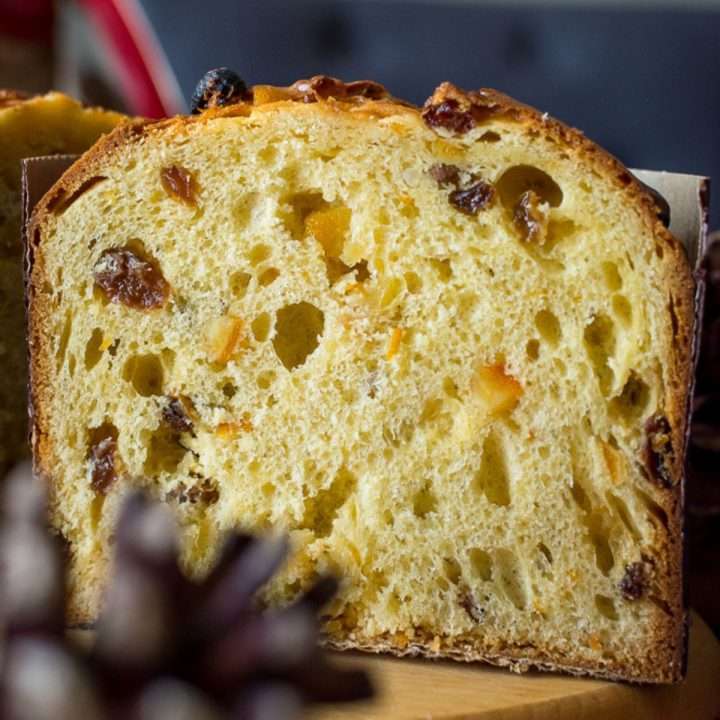
- Very High W (330-400+): Extremely elastic, resists over-proofing - perfect for pizza dough or sourdough panettone.
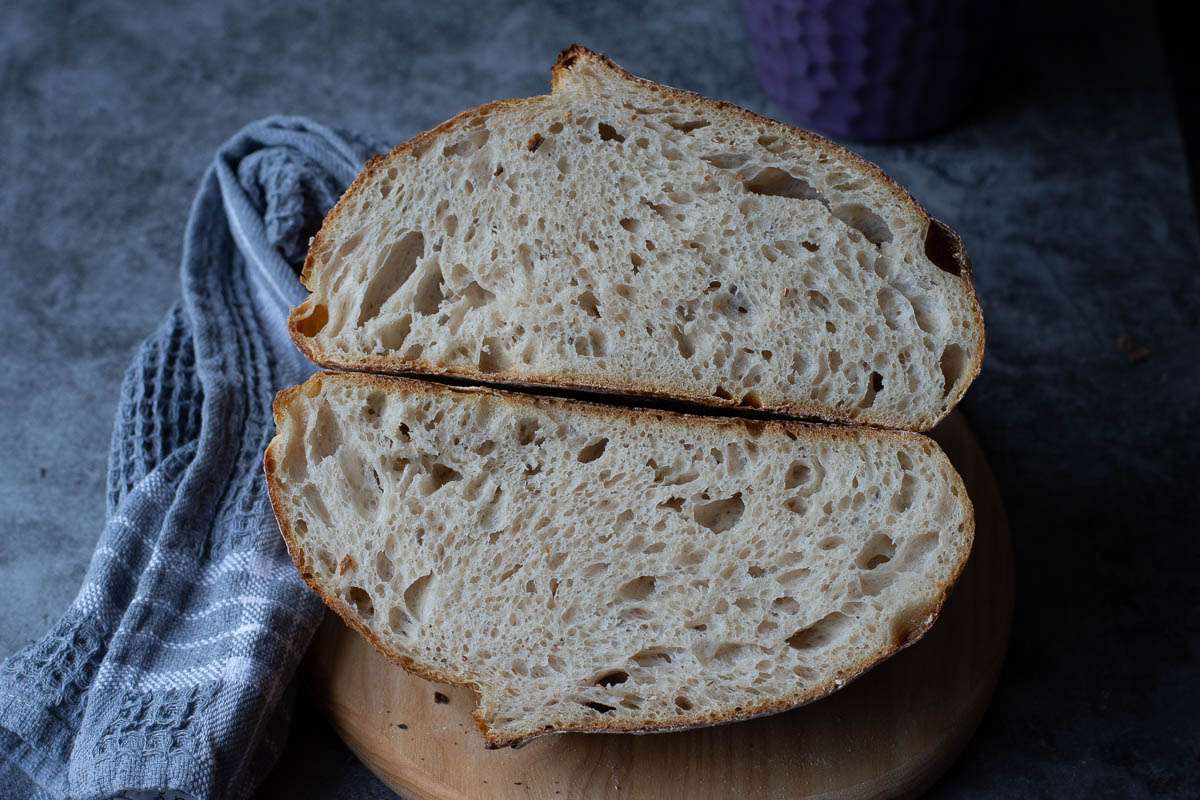
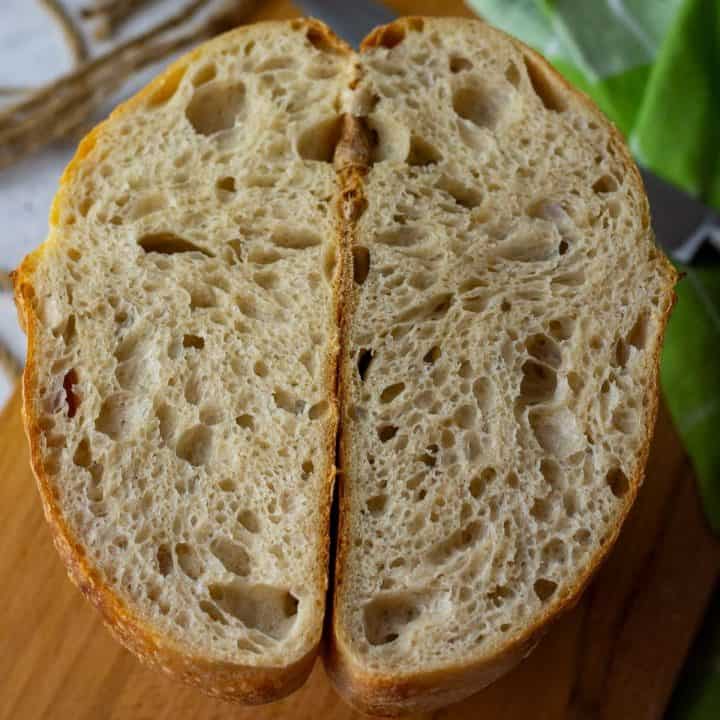
The strength of the dough dictates how much gas it can hold during fermentation. Higher W flours can trap more air, giving a light, open crumb. Weaker flours produce softer, denser breads - still delicious, just different in character.

W Index in Relation to Other Flour Properties
Just like ash content, falling number, and water absorption, the W index is one of the key factors that define flour quality. Each tells a different story:
- Protein Content: How much gluten potential the flour has.
- P/L Ratio: The balance of elasticity and extensibility.
- Ash Content: Indicates the mineral content and milling degree.
- Hagberg Falling Number: Reflects enzyme activity and sprout damage.
- W Index: Shows total flour strength and energy capacity.
Together, these metrics allow both flour mills and bakers to predict how different flours will behave during mixing and fermentation.
Choosing the Right Flour Strength for Your Bake
Here's a simple guide for sourdough bakers choosing flours by W index:
| Bake Type | Ideal W Range | Notes |
|---|---|---|
| Soft rolls / brioche | 160–220 | Lower gluten, tender crumb |
| Classic sourdough loaf | 240–300 | Balanced elasticity for long fermentation |
| Sandwich bread / Pain de mie | 260–300 | Fine, even crumb and soft crust |
| Rustic wholemeal sourdough | 250–320 | Strong structure to support bran particles |
| Pizza dough / ciabatta | 300–380 | Very strong gluten, long cold rise |
| Panettone / enriched doughs | 350–400+ | Extremely high-strength flours |
If your flour doesn't list a W value, you can make a reasonable guess based on protein percentage:
- Around 10-11% → W 180-220 (medium strength)
- Around 12-13% → W 250-300 (strong)
- 13%+ → W 320-400 (very strong)
Look for technical data sheets from mills - especially for Italian flours where W values are often published alongside the P/L ratio and ash content.



Flour Strength Across Different Types of Wheat
Different types of wheat contribute to the W index in distinctive ways:
- Hard wheat flours (common in bread flours) give high W values due to strong gluten potential.
- Soft wheat flours (used for pastries and cakes) have low W values, producing tender results.
- Durum wheat (grano duro) behaves differently - high in protein but lower elasticity, making it better for pasta than bread.
- Whole grain flours and wholemeal flours may show lower effective W because bran particles cut through gluten strands, reducing elasticity.
Winter wheat varieties, often grown in cooler climates, tend to have higher protein strength and therefore higher W ratings.
If you're looking for more help wth choosing the right flour to work with, head to our dedicated article about Best Flour For Sourdough Beginners.
When High W Isn't Always Better
There's a common belief that a higher W value always equals higher quality. In truth, it depends on what you're baking.
- For French bread or a tender whole wheat sourdough, a medium W gives a perfect balance between structure and softness.
- For chewy pizza dough, a high W flour is ideal.
- But for a light brioche or cake, very strong flours can make the crumb tough.
Choosing the appropriate flour means matching the strength of the flour to the style of bread and fermentation time you want.
W Index in Everyday Baking
Not all retail flours show W values, especially in the the United Kingdom and the United States, but many brands give clues:
- King Arthur Flour (US) lists high-gluten and bread flours around W 300.
- Antimo Caputo (Italy) pizza flours range between W 260-320.
- UK strong bread flours like Marriage's or Shipton Mill generally fall between W 250-300.
If you bake sourdough bread regularly, it's worth keeping a few different types of flour on hand - a strong flour for structure, a softer one for texture, and wholemeal flour for flavour and nutrition. Blending them helps you fine-tune your final product.

Conclusion: Reading W Like a Pro
The W index in flour might sound technical, but once you understand it, it becomes a practical tool - not a mystery number. It tells you how your flour will behave during mixing, rising, and baking, and helps you choose the right type of flour for each sourdough recipe.
A high W value flour gives strength and elasticity for long fermentation, while weaker flours offer tenderness and delicacy. Both have their place in your kitchen.
So next time you pick up a sack of flour, look beyond protein content and check its W index value - it's your best guide to how the dough will perform, rise, and taste. And once you learn to read these numbers, you'll never buy the wrong flour again.




Leave a Reply