
When it comes to baking sourdough bread, the windowpane test is a critical step you shouldn't overlook. This straightforward windowpane check helps you assess whether your dough has developed the gluten structure needed for a successful rise. Understanding how to perform this test can make all the difference in achieving that perfect loaf, so let's break down what you need to know.

Jump to:
As an Amazon Associate I earn from qualifying purchases, at no extra cost for you! Thank you!
What Is Windowpane Test?
The windowpane test is a simple test used to check if your bread dough has been kneaded enough. It's not just for sourdough but works for any yeasted dough (with fresh, commercial or wild yeast), like the kind you'd use in pizza dough or other bread recipes, like brioche, dinner rolls etc.
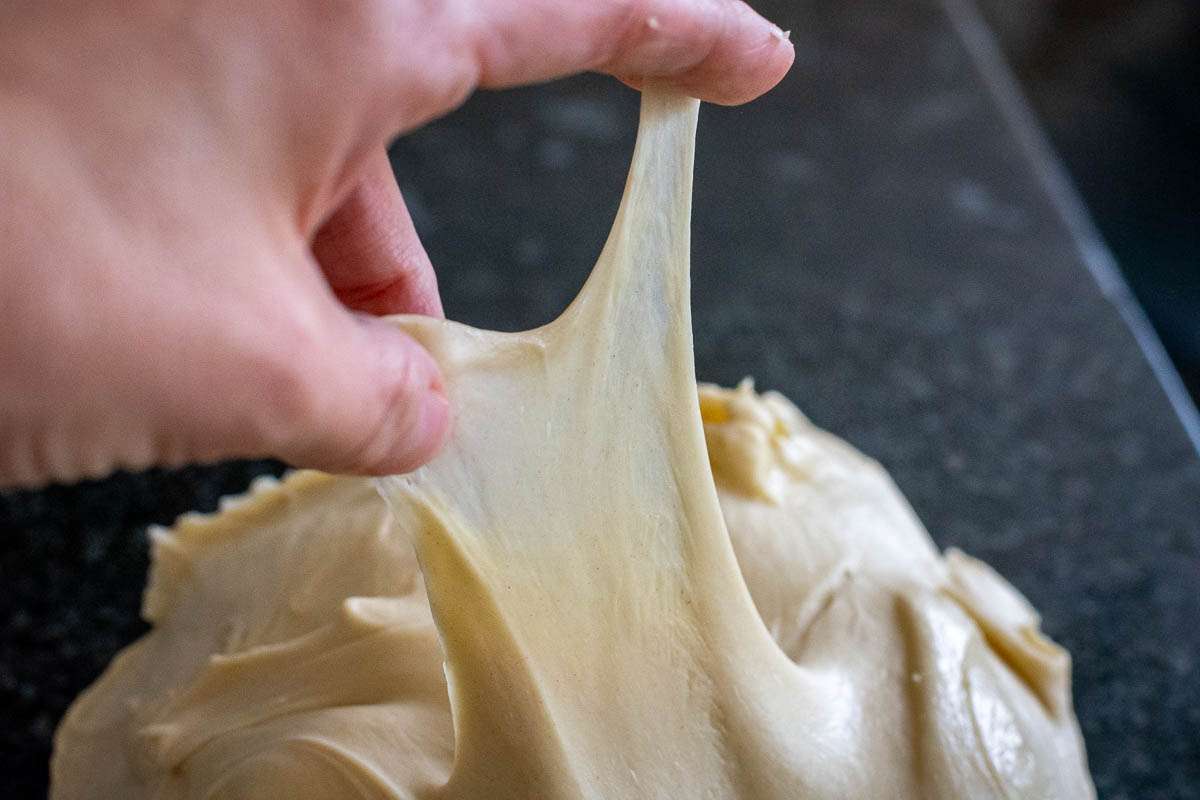
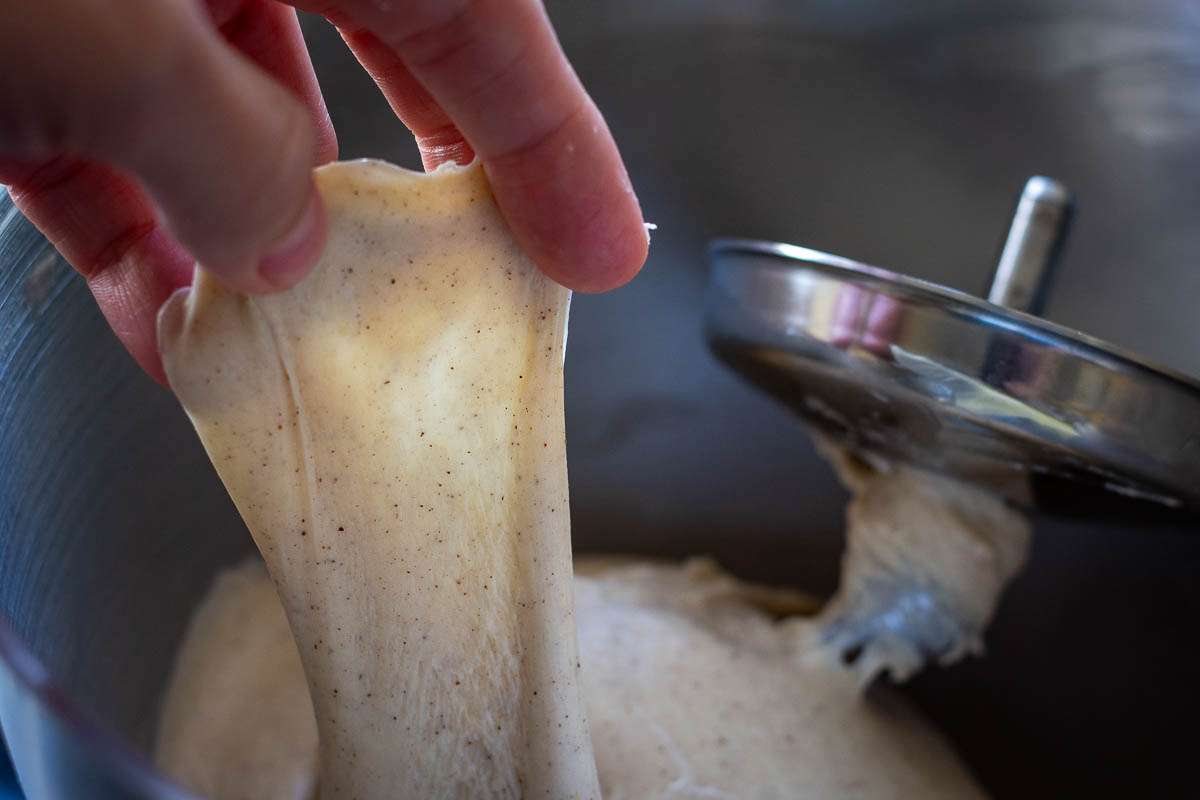
To do it, you stretch a small piece of dough between your fingers. If it stretches thin enough to let light through without tearing - like a "windowpane" - you're good to go!
It shows that the gluten has developed properly, meaning your dough will have that lovely structure and texture you're aiming for.
When To Do A Windowpane Check For Sourdough?
A common question I get is, should the windowpane test be done before or after bulk fermentation? The answer is: during. Here's why.
Sourdough is a bit different from your typical bread dough. Typical yeasted dough is kneaded, checked for the windowpane test and then left to proof. But sourdough ferments for a long time, is stretched and folded during bulk fermentation and often has a cold retard period (where it's left to chill in the fridge before baking). So, the windowpane test is used slightly differently here.
After initially mixing your sourdough, it's unlikely to pass the test straight away (and that's perfectly fine). The best time to check is during the bulk fermentation (also known as the first rise) while you're doing your stretch and folds or coil folds.
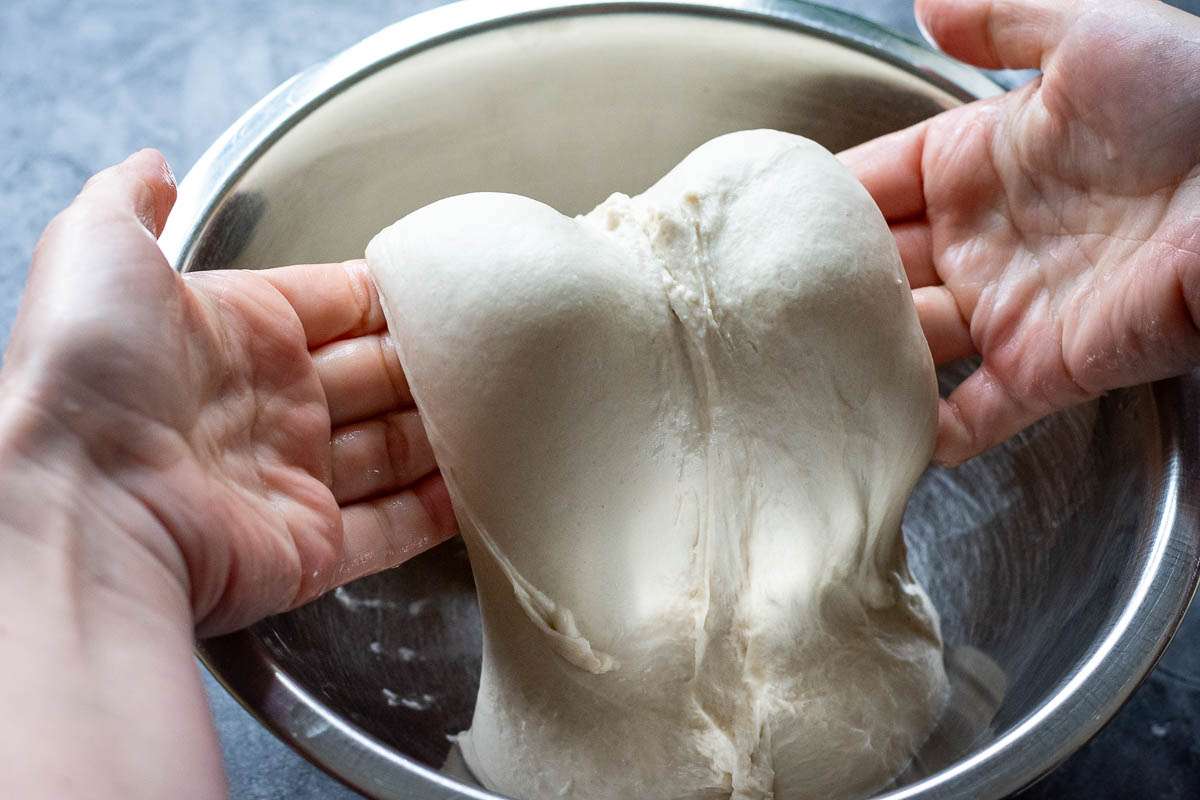
Usually, by the third or fourth fold, your dough should be able to stretch into a thin membrane - about 5cm (2 inches) - and let some light through.
In our Same Day Sourdough Bread recipe, we're looking for the dough to pass the windowpane test pretty much right after the initial mix.
That said, with sourdough, you don't need to stress about hitting a perfect windowpane in the initial stages.
Sourdough's gluten continues developing through the rest of the bulk fermentation and any cold retardation period. So, when you can stretch the dough about 3-4cm without tearing, stop folding and let it rest. Give it a couple of hours before popping it into the fridge for its overnight chill.
The Method
- Prepare your dough. After your dough has been mixed and you've done the first couple of folds, it's time to test.
- Pinch a small piece of dough. You can either pinch off a small piece, about the size of a golf ball, or gently stretch one side of the dough in the mixing bowl itself.
- Stretch the dough. Hold the dough between your fingers and start to stretch it out slowly. Aim to create a thin membrane - you should be able to stretch it enough to see light through without tearing.
- Stop the folding. At this point, you can stop actively developing gluten in the dough. Simply let the dough rise at room temperature for another 1-2 hours before shaping and/or popping it in the fridge for cold retard.
That's it! Easy and quick, but it tells you a lot about how your gluten's coming along.
Science of the Windowpane Test
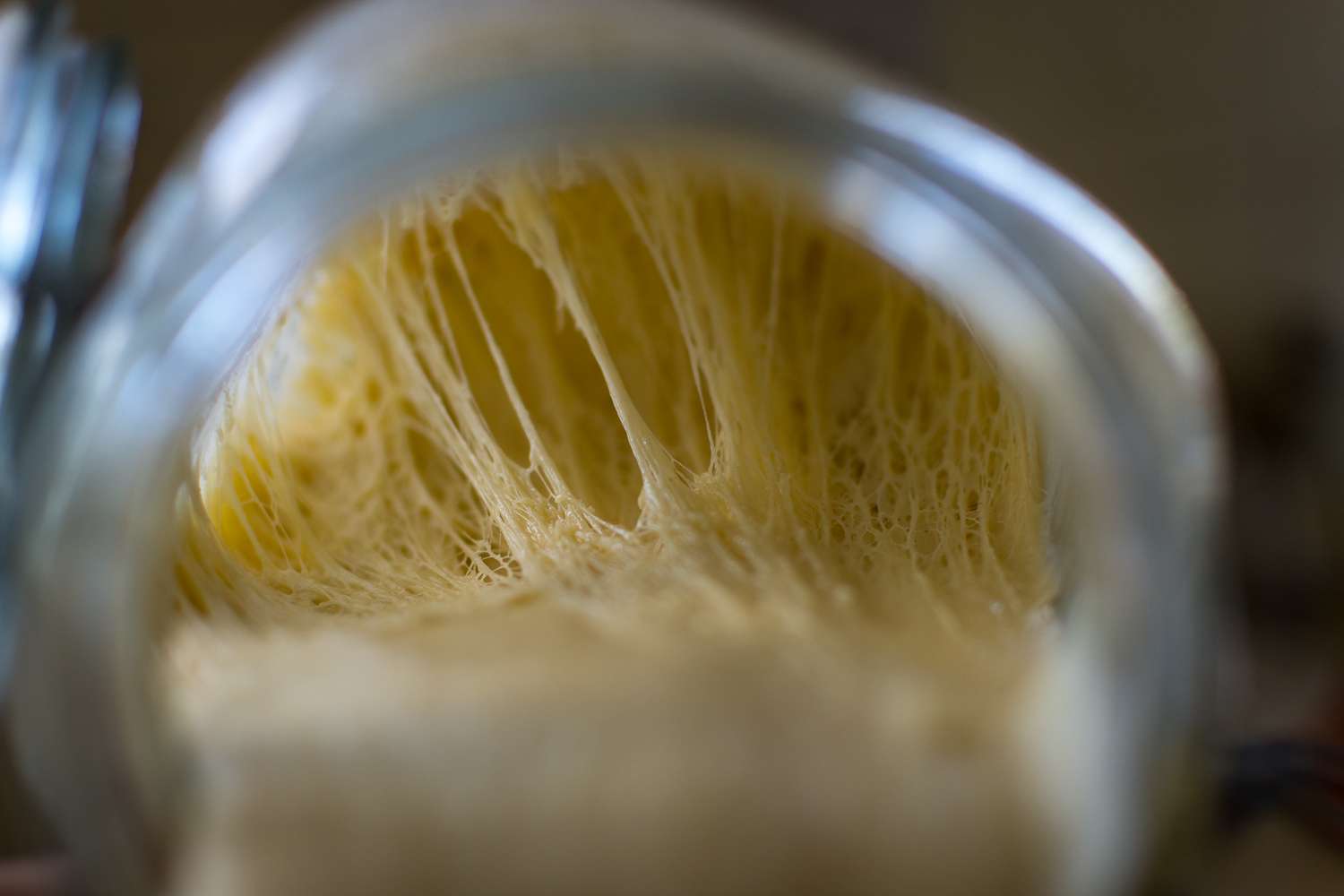
The windowpane test shows how well your dough's gluten network has developed. When you mix water with flour, proteins in the flour combine to form gluten strands. These strands stretch and link together, forming a web-like structure known as the gluten matrix.
This matrix is what gives your dough its elasticity and strength (which is measured by your flour P/L ratio). When you knead and fold your dough, you're helping this matrix get stronger and more organised.
The windowpane test is a way to check if the gluten matrix is properly formed. If your dough can stretch into a thin membrane without tearing, it means your gluten network is strong enough to trap gases during the dough rise, which is key to getting that perfect crumb.
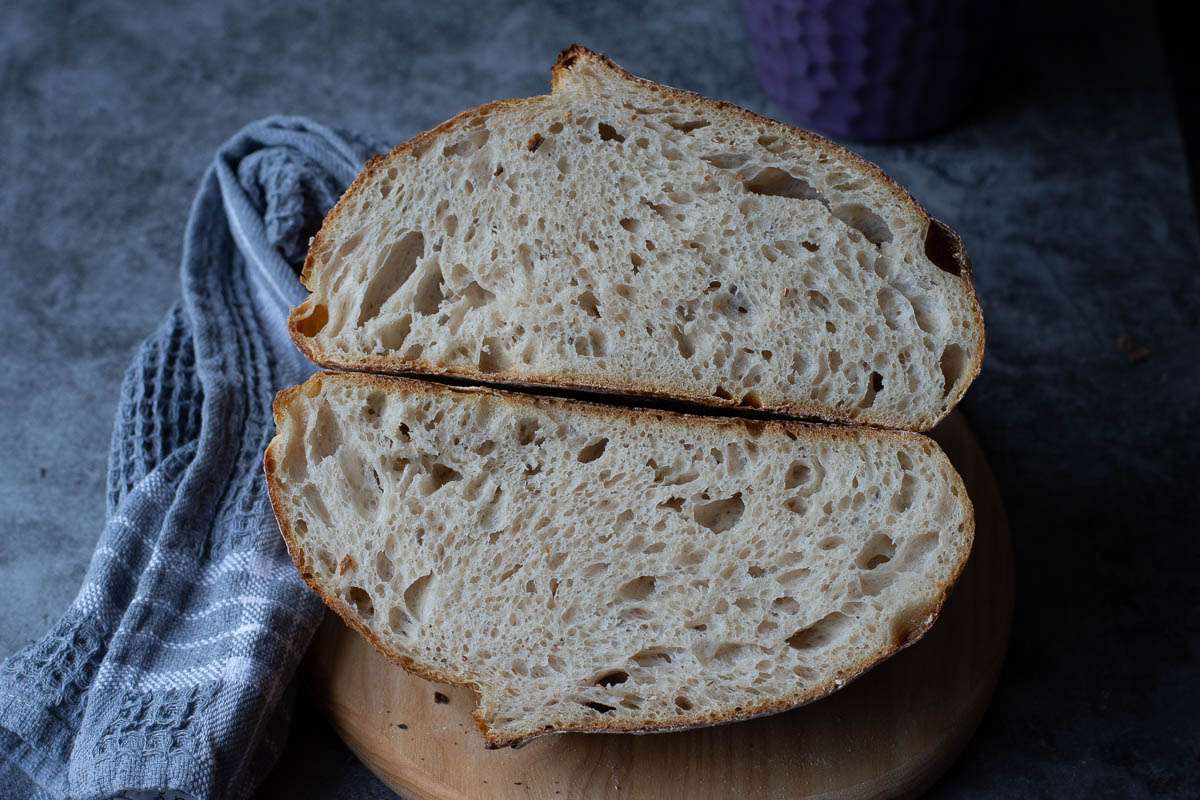
In sourdough, organic acids produced during fermentation also play a role. These acids help strengthen the gluten further, which is why you don't need to achieve a perfect windowpane right away after mixing the dough.
As sourdough continues to ferment, the gluten will keep developing, and the acids help make the dough more stretchy and stable. However, if the dough ferments for too long, proteolytic enzymes in the flour will become more active and start breaking down the gluten.
What If My Sourdough Doesn't Pass the Windowpane Test?
If the sourdough tears before becoming translucent, no worries! It just needs a bit more time. Keep folding (giving it 15-30 minutes between each fold) and give it another go later.
Why Use A Windowpane Test For Sourdough?
- The windowpane test is the best way to ensure your dough has enough gluten development, especially for new bakers or when working with a new recipe or unfamiliar flour (more on the types of flour below). It can be tricky to judge dough just by feel or visual cues when you're starting out, so the test gives you a reliable benchmark.
- It's also handy if you're making a simple sourdough where you're skipping the stretch and fold or coil fold methods. If you're using a stand mixer to knead the dough, the windowpane test will let you know if your dough is ready after mixing - before you leave it to bulk ferment.
- The test becomes a very important step with enriched doughs, like brioche or panettone, where ingredients like butter, milk, and eggs slow down gluten network formation. Without checking, you might miss that key moment when the dough has developed enough structure.
Proper gluten development ensures your dough will be easier to shape, won't spread out when you score it, and will give you that better rise in the oven - hello, beautiful oven spring! So, a quick windowpane test can be the difference between a good loaf and a great one.
A Note on Flour
The type of flour you use can significantly impact gluten development in your sourdough, and this will be reflected in your windowpane test results. Here's a quick overview of how different flours play a role.
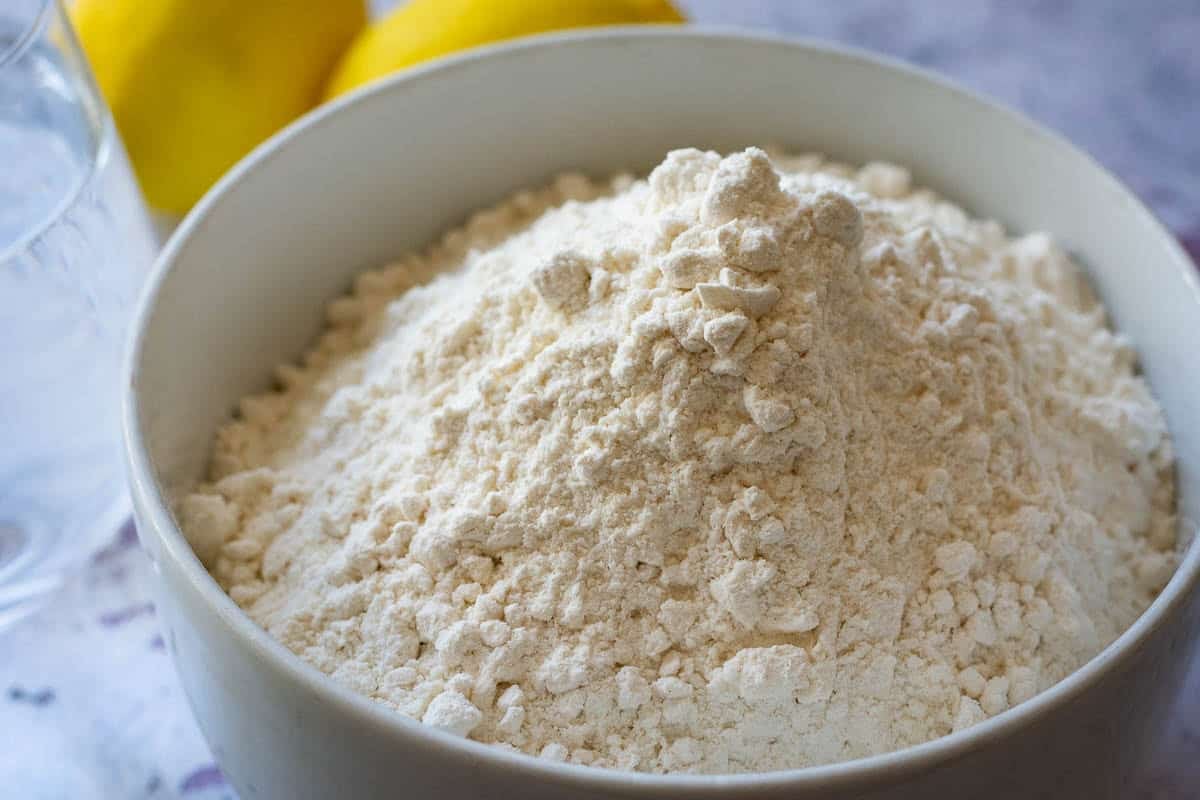
- Bread Flour. This is your go-to for gluten development. With a high protein content (usually around 12-14%), bread flour creates a robust gluten network, making it easier to achieve a strong windowpane. Your dough will stretch beautifully, showing off its potential for great rise and structure. Learn more about how protein content in flour affects sourdough.
- All-Purpose Flour. This flour is versatile and has a moderate protein content (about 10-12%). While it can still pass the windowpane test, you might find it takes a bit more effort compared to bread flour. Your dough may not be as elastic, so don't be surprised if the windowpane isn't as strong or if it requires more folding to reach that desired stretch.
- Whole Wheat Flour. This one is a bit tricky. Whole wheat flour retains the bran and germ from the wheat, which can interfere with gluten formation. You might notice that even after adequate kneading and folding, the dough may not stretch as far or hold its shape as well as dough made with white flour. However, if you are only adding a small portion of whole wheat flour to your dough, you shouldn't notice much of a difference.
- Spelt Flour is another interesting option when it comes to sourdough baking. Spelt flour has a slightly lower protein content than traditional bread flour and the gluten in spelt is more delicate and can break down more easily. This means that while it can form a gluten network, it may not be as robust as that from bread flour. If using a high proportion of spelt in your dough, you might find that your dough doesn't stretch as easily or as far as it would with bread flour. It can still pass the window pane test, but you may notice that the membrane is less stable and tears more easily (put this into practice by baking our Spelt Sourdough Bread).

Mix It Up: Turn Your Sourdough into a Flavour Adventure.
More Sourdough Tips and Techniques




Leave a Reply