
You do not need a cupboard full of specialist sourdough equipment to make good bread. You can mix sourdough with a wooden spoon, knead it by hand, bake it on a regular baking tray or cast iron skillet, and still end up with delicious sourdough bread. That said, a few simple sourdough tools do make the process easier, cleaner and more enjoyable. And when baking feels less chaotic, you are far more likely to stick with your sourdough habit.

Jump to:
As an Amazon Associate I earn from qualifying purchases, at no extra cost for you! Thank you!
This is not a professional bakery equipment list. These are the sourdough bread tools I actually use in my home kitchen when making my everyday sourdough bread, ocassionaly baking sourdough without a Dutch oven, shaping loaves, making focaccia, and generally trying not to glue myself to the worktop with sticky dough.
Some of the sourdough tools I mention may be linked through affiliate links, which means I may earn a small commission if you buy through them, at no extra cost to you. I only recommend tools I actually use or genuinely think are useful for home bakers.
Do You Need Special Equipment To Make Sourdough?
No. You can bake bread with very basic kitchen equipment.
At the absolute minimum, you need a mixing bowl, your hands, a wooden spoon, something to bake the bread on, and a way to cover the dough while it rests. A clean tea towel, a baking sheet, dish towels and a sharp blade can take you surprisingly far.
But sourdough is already a slow process. Anything that makes it easier to measure, mix, shape, transfer and bake bread is worth considering, especially if you are in the beginning stages of making your first starter or your first loaf.
The right tools will not magically give you perfect sourdough, but they can make the process easier, more consistent and much less stressful for home bakers.

Tools For Your Sourdough Starter
Glass Jar With A Lid
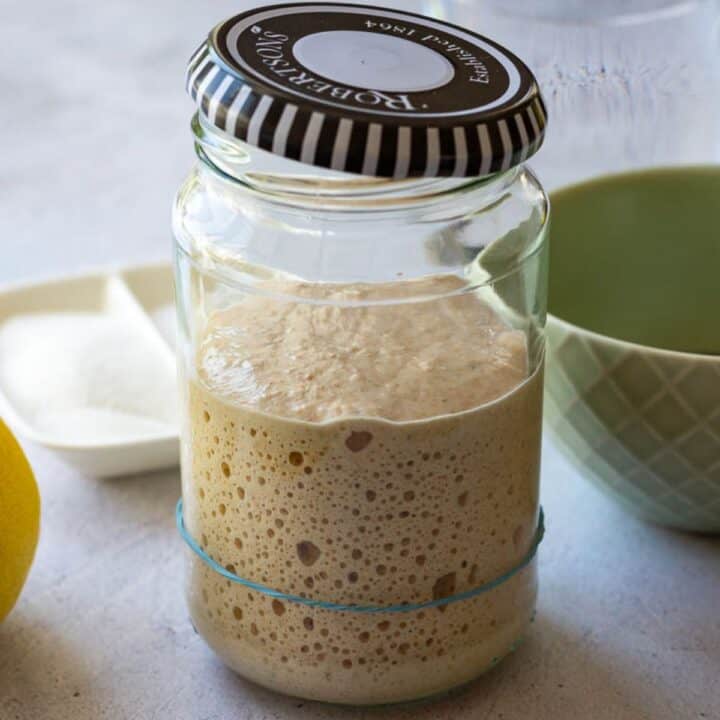
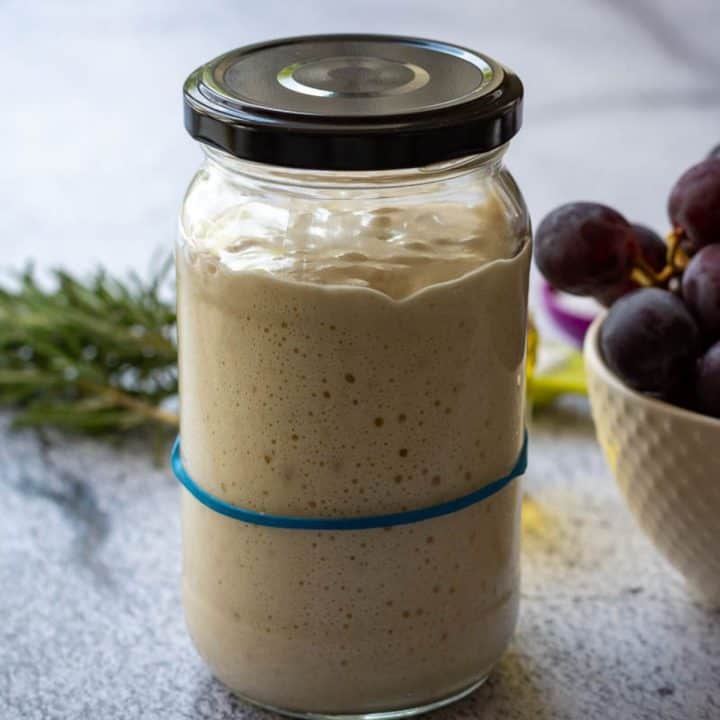
I keep my sourdough starter in a glass jar with a lid. A clear glass jar makes it easy to see what is happening: bubbles, rise, texture and whether your starter is looking lively or sulking quietly in the corner.
I don't think there is one best jar for everyone. A Weck jar, jam jar or other glass containers all work well. The main thing is that you can see through it and it is easy to clean.
The lid keeps the starter covered and stops the surface from drying out. I don't screw mine on too tightly, especially when the starter is active, because it needs a little room to breathe. A loose plastic lid can also work well.
Learn more about how to make a sourdough starter from scratch or getting into a regular routine for how to feed sourdough starter.

Rubber Band
A rubber band is not glamorous, but it is one of the most useful tools I own.
After feeding my starter, I place the rubber band around the jar at the starter's starting level. This makes it very easy to see how much it has risen and whether it has doubled.
If you are trying to work out when sourdough starter is ready to bake with, this tiny little band of rubber saves a ridiculous amount of guesswork.

Digital Kitchen Scale
If you buy just one essential tool for sourdough, make it a digital kitchen scale.
Sourdough is much easier to understand when you weigh your bread flour, water, starter and salt. Volume measurements can vary too much, especially with flour, and sourdough already has enough variables without inviting measuring chaos to the party.
A digital scale also makes starter feeding ratios much easier. Whether you are using strong white bread flour, regular flour or adding a little whole wheat flour, weighing everything keeps things consistent.
Tools For Mixing And Bulk Fermentation
Stand Mixer With Dough Hook
You absolutely can mix sourdough by hand. In fact, many sourdough recipes are designed that way. But I personally use a stand mixer with a dough hook for many of my loaves, especially lower-hydration doughs, sandwich-style breads and enriched sourdough recipes.
It makes the process easier, faster and less messy. It is also useful if you bake regularly and don't always want bread dough stuck to your fingers before you have even finished your first coffee.
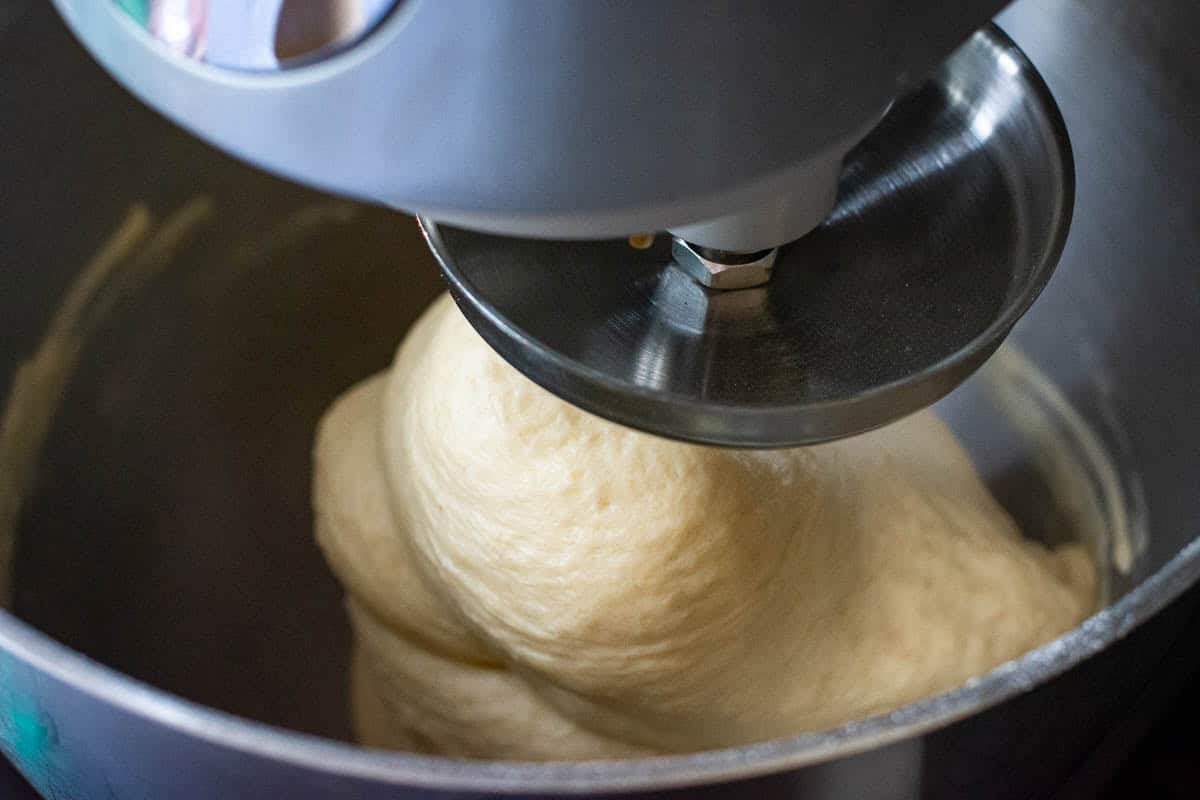
Use the dough hook to bring the dough together and start building gluten, then continue with stretch and folds if the recipe calls for them. If you are new to dough development, my guides to sourdough autolyse and stretch and folds for sourdough are good places to start.
A Danish dough whisk is another great option if you prefer mixing by hand, but I do not use one often enough to call it one of my favourite tools.
Flexible Dough Scraper
A flexible dough scraper is one of those tools that seems boring until you use it. Then suddenly it becomes your best friend.
It helps scrape dough out of bowls, move sticky dough around, fold dough, clean the worktop and reduce waste. You may also see it called a bowl scraper or flexible scraper.
Sourdough dough can be sticky, especially as you move into high-hydration doughs, and a scraper makes the whole process feel much less like a wrestling match.
Large Container For Bulk Fermentation
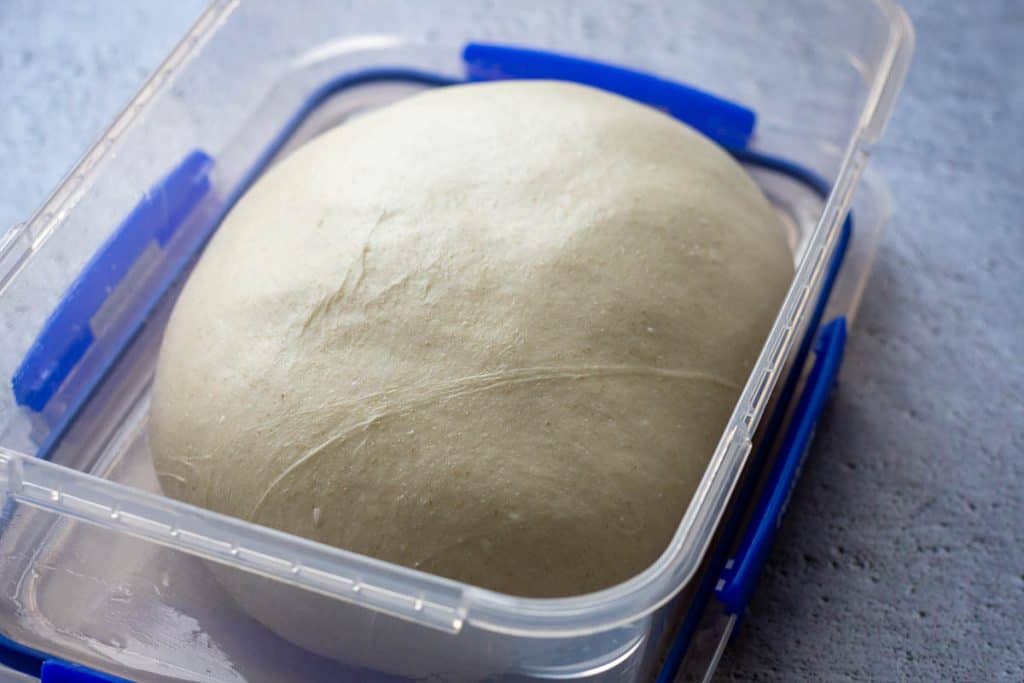
I like using a large container for bulk fermentation because it helps me see how much the dough has risen.
A bowl works perfectly well, but a clear or straight-sided container makes it easier to judge fermentation. Some sourdough bakers use Cambro containers, but any large food-safe container that gives the dough room to rise can work. I use a large Sistema Klip It box.
This is particularly helpful for beginners because bulk fermentation is one of the trickiest stages to understand. If you are still learning what properly fermented dough looks and feels like, a dedicated container can make the process far less mysterious.

Tools For Shaping And Proofing
Flour Shaker
I use a flour shaker to lightly dust the worktop, dough or banneton baskets before shaping and proofing.
Is it essential? No. You can use your fingers or a spoon. But a flour shaker gives a much more even coating and helps avoid clumps of flour in random places.
I usually use rice flour for dusting bannetons because it helps prevent sticking better than regular flour. It is one of those small details that makes shaping and proofing a little easier.
Banneton Baskets
Banneton baskets support your dough during its final proof. They help the loaf hold its shape and give it structure before baking.
They also create those pretty flour rings on the crust, which are lovely, but the main reason to use a banneton is support. A well-shaped loaf proofed in a banneton is usually easier to score and bake.


You may also see them called proofing baskets. Traditional bannetons are often made from wicker, but you can also find other styles. If you are not ready to buy one, use a bowl lined with a clean, well-floured tea towel. That works too. The bread police will not come. I have plenty of suggestions in my Proofing Basket Alternatives article.
I currently use BANDSLÄTTING proofing/bread basket from IKEA and Brod & Taylow banneton baskets.
Banneton Covers
I use banneton covers to stop the dough from drying out during the final proof, especially when the dough goes into the fridge overnight.
You can use a plastic bag, reusable shower cap or cling film, but proper covers are tidy, reusable and fit well. If you bake sourdough regularly, they are a nice little upgrade.
Tools For Scoring And Baking
Parchment Paper
Parchment paper makes transferring dough much easier, especially when baking in a hot Dutch oven.
You can lift the shaped and scored dough using the parchment and lower it into the pot without getting too close to the hot sides. This is much less dramatic than trying to tip dough into a scorching-hot Dutch oven while hoping for the best. I highly recommend strong and sturdy Bacofoil Parchment Paper.
It is also useful when baking sourdough bread without a Dutch oven, as it helps prevent sticking and makes moving the dough easier.
Bread Lame Or Razor Blade
A bread lame or razor blade helps you score the dough before baking.
Scoring controls where the loaf opens as it expands in the oven. Without a score, the dough will usually burst wherever it feels like it, because apparently bread also enjoys making its own decisions.
You do not need intricate designs as a beginner. A simple, confident slash is enough. A sharp razor blade gives a cleaner cut than most kitchen knives. You can also use a sharp blade or bench knife for some dough handling tasks, but for scoring, a razor blade or bread lame is much better.

Atomiser Or Water Spray
I use an atomiser or water spray when I want to add extra steam.
Steam helps keep the surface of the dough moist at the start of baking, which supports good oven spring and helps the crust develop. A Dutch oven traps steam naturally, but a spray bottle is especially useful when baking on a tray, baking stone, baking steel or cast iron skillet.
It is not essential, but it is handy if you often bake without a Dutch oven.

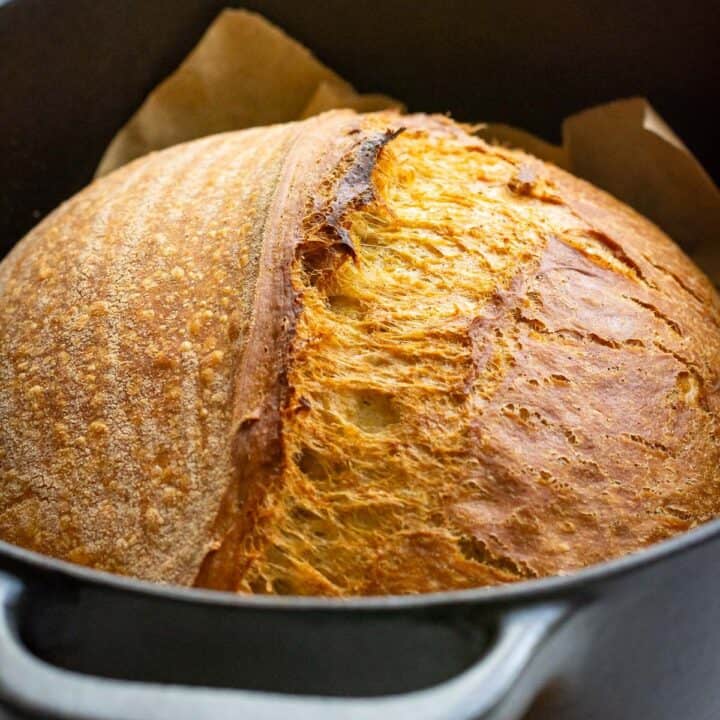
Dutch Oven
A Dutch oven is one of the most useful sourdough baking tools, but it is not compulsory.
It traps steam around the dough, which helps with oven spring and crust development. It also gives your home oven a more bread-friendly environment, almost like a small bread oven.
A cast iron Dutch oven is a great option because it holds heat well and can cope with high temperatures. The best Dutch oven is one that fits your loaf, is safe at the temperature you bake at, and is not so heavy that you dread lifting it.
I also love and use a Dutch Oven with a flat lid, so i can use the inverted Dutch oven method for baking sourdough.
For batards, I use VARDAGEN casserole with lid from IKEA.
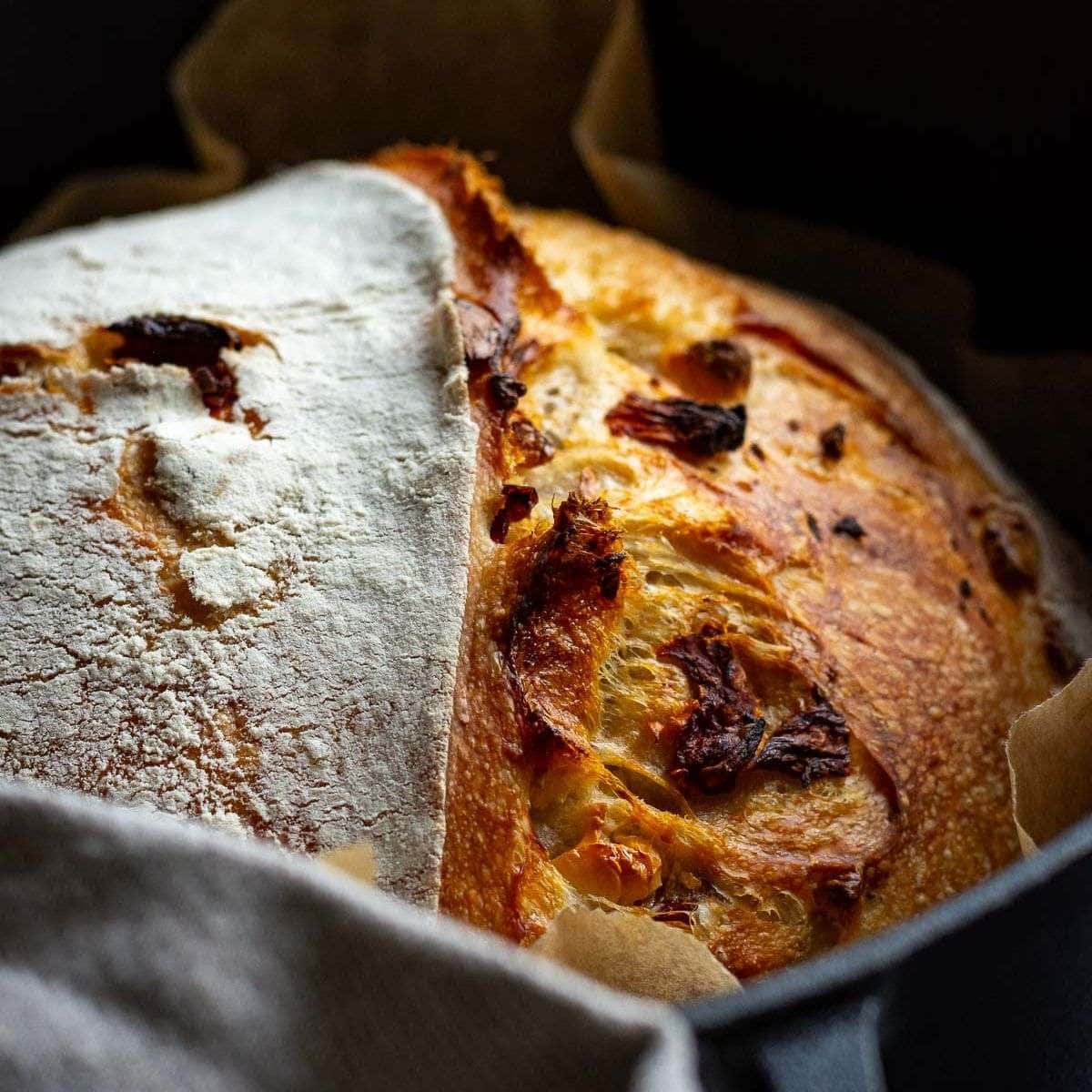
That said, you can absolutely bake sourdough without a Dutch oven. If you are just starting out, do not let the lack of one stop you. Try a no Dutch oven sourdough bread recipe first, then decide whether it is worth the extra cost later.
You will also see tools like a Challenger bread pan, bread slings, baking steel and baking stone recommended in the world of sourdough baking. They can be brilliant, but they are not essential sourdough equipment for beginners.
Oven Gloves
This sounds obvious, but good oven gloves matter when you are handling a Dutch oven at high temperatures.
A hot cast iron Dutch oven is not the moment to discover your oven gloves have a weak point. Ask me how I know. Actually, don't.
Wire Rack
Once the bread is baked, I always cool it on a wire rack.
This lets air circulate around the loaf and stops the base from turning soggy. It also helps the bread finish setting properly before slicing.
I know waiting is painful. The loaf smells incredible, the butter is ready, and your patience has left the building. But cutting too early can make the crumb gummy, so give it time.
A good bread knife is also worth having once you bake regularly. It will not help you make the best sourdough bread, but it will help you slice your loaf of sourdough without squashing it into something that looks like it lost a fight.
Tools For Focaccia And Sourdough Quick Breads
If you want to move beyond basic sourdough loaves, I would also recommend good baking trays and loaf pans.
I use USA Pan baking trays and pans for sourdough focaccia, sourdough quick breads, discard loaves and other bakes where the tin or tray really matters. They are sturdy, bake evenly and release well, which makes a difference when working with wetter doughs or sticky batters.

If you are planning to try sourdough focaccia recipes, my sourdough bread recipes with inclusions or sourdough discard recipes, good pans are definitely worth having.
What I Would Buy First As A Beginner
If you are brand new to sourdough, you do not need to buy everything at once. Starter kits can look tempting, but a lot of people already have enough simple tools in their kitchen to get started.
My beginner sourdough equipment shortlist would be:
- Digital kitchen scale
- Glass jar with a lid
- Rubber band
- Flexible dough scraper
- Large bulk fermentation container
- Banneton basket or bowl-and-tea-towel alternative
- Parchment paper
- Bread lame or razor blade
- Dutch oven, if you know you will bake regularly

A bench scraper or bench knife is also very useful once you start shaping more often, especially if you bake artisan sourdough bread regularly.
You can start with very little and upgrade slowly. The goal is not to collect every sourdough tool on the internet. The goal is to make the process easier, more consistent and enjoyable enough that you want to bake again next week.
And that, honestly, is where great bread starts.
LOVE BAKING SOURDOUGH WITH ME?
You can now add Somebody Feed Seb as a preferred source on Google. It only takes a tick box, and tells Google you'd like to see more of my recipes when relevant.

Leave a Reply