
Choosing the right flour for sourdough isn't just about picking one with high protein or organic on the label - it's about understanding how that flour behaves. One key indicator of flour quality used by millers and professional bakers is the P/L ratio, a number that tells you about the balance between dough strength and stretchiness.

For home sourdough bakers, this might sound like lab talk, but understanding it can help you predict how your dough will ferment, how elastic it will feel under your hands, and what kind of crumb and crust you'll get in the final loaf.
If you're just starting out and need help choosing the right flour for baking, head to our article about Sourdough Flour for Beginners.
Jump to:
- What the P/L Ratio Actually Means
- Where to Find the P/L Ratio on Flour Labels
- How the P/L Ratio Affects Sourdough Baking
- Typical P/L Ratios for Different Types of Flour
- Choosing the Right P/L Ratio for Your Sourdough Bake
- How to Work With Flours of Different P/L Ratios
- How P/L Relates to Other Flour Qualities
- Final Thoughts: Using the P/L Ratio to Choose the Right Flour
As an Amazon Associate I earn from qualifying purchases, at no extra cost for you! Thank you!
What the P/L Ratio Actually Means
The P/L ratio comes from the alveograph test, a lab method developed by French miller Marcel Chopin. In this test, a small piece of dough is inflated like a bubble until it bursts. The instrument measures two things:
- P (tenacity) - the pressure needed to blow up the dough bubble (its resistance to stretching).
- L (extensibility) - how far that bubble can stretch before it bursts.
The ratio P/L shows the balance between those two properties.
- A low P/L ratio (around 0.3-0.4) means the dough stretches easily - it's extensible but not very strong.
- A high P/L ratio (above 0.8) means the dough resists stretching - it's tight and elastic, with strong gluten-forming proteins.
- A balanced P/L (around 0.5-0.7) gives the sweet spot for most sourdough bread, combining enough strength to hold gas but enough flexibility to expand beautifully in the oven.

Think of P as the muscle and L as the flexibility. The right balance between them determines how your sourdough behaves during mixing, shaping, and baking.
Where to Find the P/L Ratio on Flour Labels
Not all flour bags will list P/L ratios, especially in home-baking markets. However, many European and Italian millers - such as Caputo or Foricher - include them in their technical data sheets, alongside the W index (overall flour strength).
If the ratio isn't printed on the bag, check the mill's website or contact them with the lot number to request the technical specifications. The W value and protein content in flour can also help you make an educated guess:
- A high W value and high protein content often correlate with a higher P/L ratio.
- But protein percentage alone doesn't tell the full story - it's the quality and structure of those proteins (gliadin and glutenin) that matter.

How the P/L Ratio Affects Sourdough Baking
Understanding P/L gives you insight into every stage of the bulk fermentation process as well as sourdough hydration and dough handling to the final texture and flavour.
Hydration
- Flours with a high P/L ratio (often strong bread flours or high-gluten flour) can absorb more water. They need higher hydration to achieve the same dough consistency.
- Low P/L flours, such as soft wheat flours or pastry flour, absorb less and may turn sticky if you add too much water.
Dough Handling
- Low P/L → very extensible doughs that stretch easily but can lose shape. Ideal for sourdough focaccia or pizza dough.
- High P/L → tight doughs that resist stretching, needing longer rest times or autolyse to relax gluten.
- Balanced P/L → ideal for most artisan breads and classic sourdough boules.

Crumb and Crust Texture
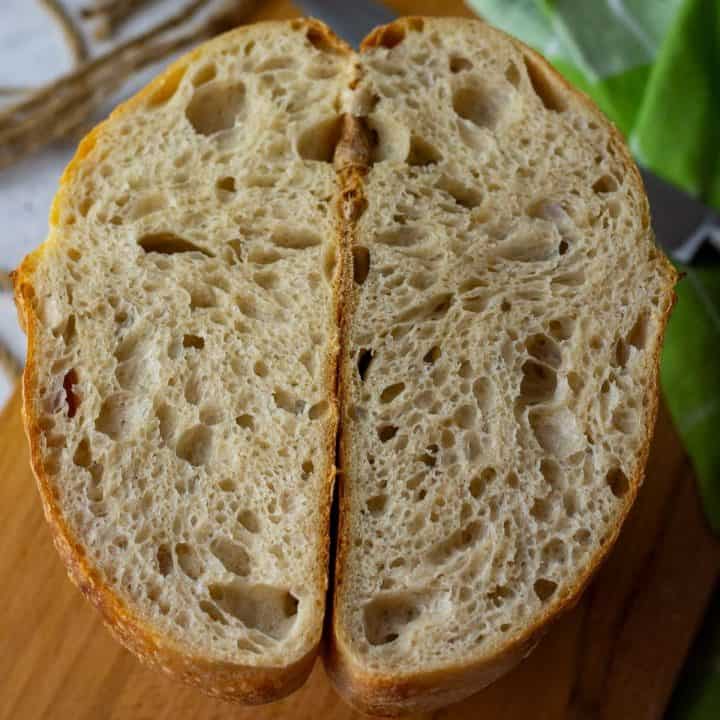
- Low P/L: open, irregular crumb, thin crust.
- Medium P/L: balanced crumb and crisp crust.
- High P/L: tighter crumb, chewier texture - ideal for sandwich loaves or bread rolls.


Fermentation and Flavour
Stronger flours with higher P/L handle long fermentations better, developing complex flavours without collapsing. Weaker flours ferment more quickly and suit shorter leavening times or enriched doughs.
Typical P/L Ratios for Different Types of Flour
| Type of Flour | Typical P/L Ratio | Characteristics & Uses |
|---|---|---|
| Soft wheat flours | 0.3–0.4 | Low protein, very extensible; best for cakes or pastry. |
| All-purpose / purpose flour | 0.4–0.6 | Moderate balance; good for enriched doughs or focaccia. |
| Strong bread flour | 0.6–0.8 | High gluten strength; great for sourdough loaves and long fermentation. |
| High-gluten flour | 0.8–1.0 | Very elastic and strong; ideal for bagels or long-fermented pizza. |
| Wholemeal flour | 0.5–0.8 | More minerals and bran; slightly lower extensibility due to bran cutting gluten strands. |
Different types of wheat influence these values:
- Hard wheat flours (from Triticum aestivum) have high protein and higher P/L.
- Soft wheat flours or white wheat flour have lower protein and a lower P/L.
- Whole wheat flour or flours with higher ash content tend to be slightly less extensible.

Even within common wheat varieties and flour mills use different milling styles and tempering methods, creating subtle variations in the P/L ratio and overall flour quality.
Choosing the Right P/L Ratio for Your Sourdough Bake
| Type of Bake | Ideal P/L Range | Why It Works |
|---|---|---|
| Rustic sourdough boule or French bread | 0.5–0.7 | Balanced elasticity and extensibility for open crumb. |
| Focaccia or pizza dough | 0.4–0.5 | Soft, extensible dough for easy stretching. |
| Ciabatta | 0.4–0.6 | Loose, highly hydrated dough; needs extensibility. |
| Croissants or enriched doughs | 0.7–1.0 | Strong dough to support butter layers or added sugar. |
| Bread rolls or sandwich loaves | 0.6–0.8 | Smooth, even crumb with structure and volume. |
Key factors:
- Warmer kitchens (high ambient temperature) benefit from stronger flours (higher P/L) that resist over-proofing.
- Cooler kitchens may prefer slightly lower P/L flours for better extensibility and quicker dough rise.

How to Work With Flours of Different P/L Ratios
If your flour isn't performing as expected, you can make adjustments:
- Too tight / high P/L: Increase hydration slightly, extend autolyse, or mix with a weaker flour.
- Too weak / low P/L: Shorten bulk fermentation time or blend with a stronger flour to build structure.
- Blend strategically: Combine a strong bread flour (P/L 0.7) with a weaker white flour (P/L 0.4) to achieve a balanced, extensible dough for sourdough loaves.
- Watch your dough temperature: Higher dough temperature can soften gluten, helping high P/L flours relax.
Professional bakers often tailor blends based on technical data - you can do the same at home by keeping notes on each sample of flour, its total protein content, mineral content, and performance in your recipe.
How P/L Relates to Other Flour Qualities
The P/L ratio doesn't exist in isolation - it's linked with other properties like W index (overall strength of flour), ash content (mineral content), and enzymatic activity.
- High W index and high P/L: strong gluten network, great for long leavening and high hydration doughs.
- Low P/L and low W index: ideal choice for soft, delicate products like pastry or quick flatbreads.
- Higher ash content: slightly lower extensibility, adds flavour and nutritional value.
- Enzymatic activity: affects how starch granules break down during long fermentations, influencing dough handling and colour of the final product.

Final Thoughts: Using the P/L Ratio to Choose the Right Flour
Understanding the P/L ratio turns flour selection from guesswork into strategy. It's one of the key factors that helps bakers connect the science of flour with the art of sourdough.
You don't need to become a lab technician - but knowing what that ratio means gives you a professional-level insight into your dough's behaviour. Whether you're shaping a rustic boule, rolling out pizza dough, or working on long fermentations, the right flour with the right P/L balance will reward you with better texture, structure, and flavour every time.
- Sourdough Pumpkin Babka
- Pumpkin Spice Latte Sourdough Bread
- Sourdough Sticky Buns (Maple Pecan Caramel)
- Earl Grey Sourdough Bread (London Fog Sourdough Bread)
- Sourdough S'mores Rolls
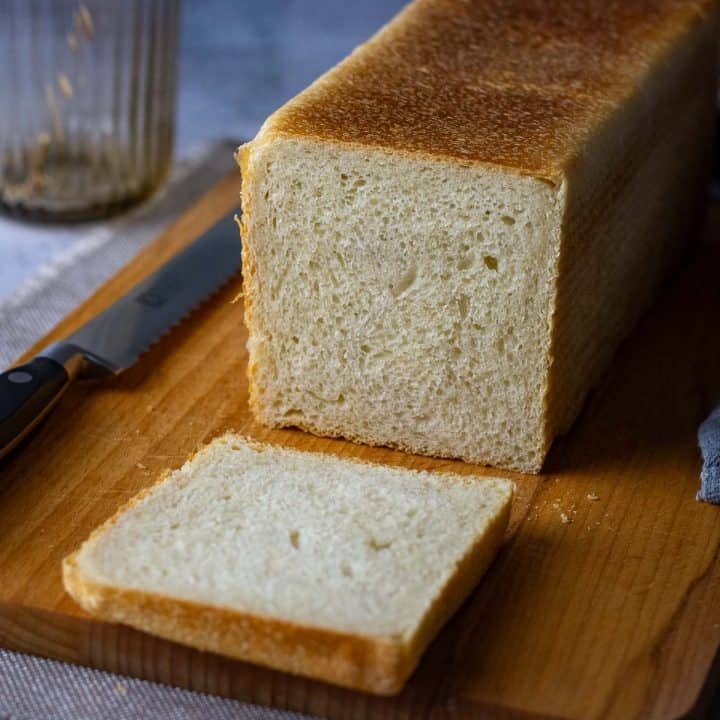
- Sourdough Pullman Loaf (Sourdough Pain de Mie)
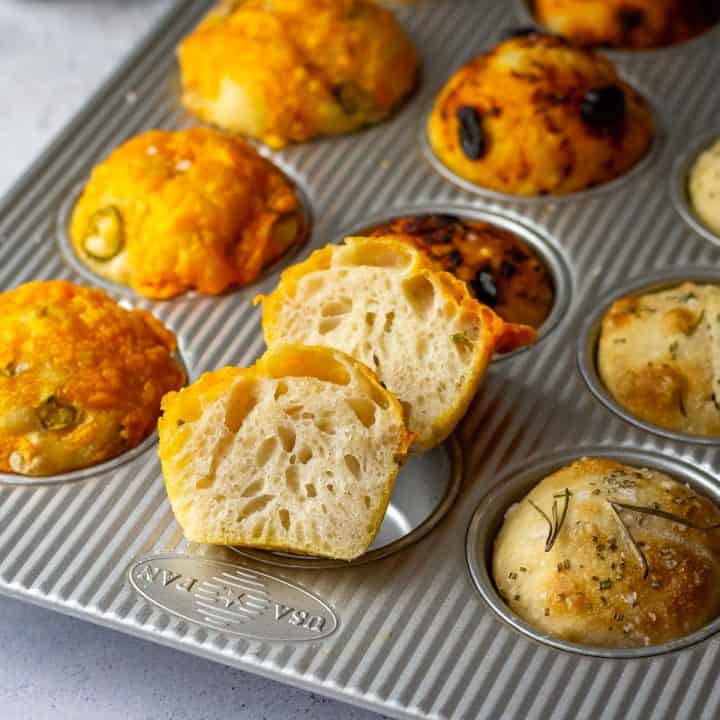
- Sourdough Focaccia Muffins - One dough, various Flavours
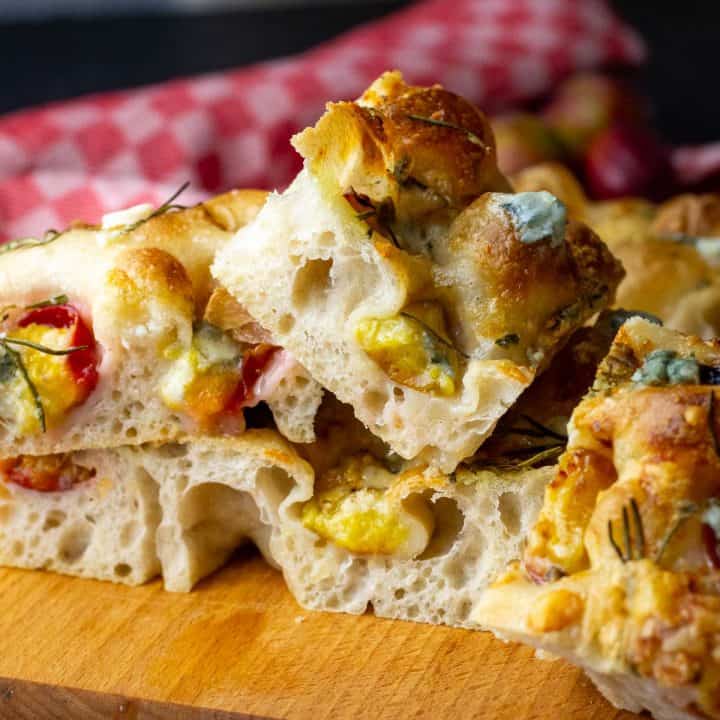
- Plum and Gorgonzola Sourdough Focaccia


Leave a Reply