
Winter months can be brutal and your healthy sourdough starter will struggle to reach the peak if left on the kitchen counter in cooler temperatures. Keeping the wild yeast happy requires a bit of extra warmth, but don't worry - there are clever ways to tackle this chilly challenge. Whether you're a seasoned baker or just building a new starter, learning how to keep sourdough starter warm will ensure it thrives even in the coldest months. Let's get that starter nice and cosy!

Jump to:
As an Amazon Associate I earn from qualifying purchases, at no extra cost for you! Thank you!
Why Does Sourdough Starter Need Warmth?
A sourdough starter relies on a delicate balance of wild yeast and lactic acid bacteria (amongst others) to thrive. After feeding, the starter begins the fermentation process, where the yeast consumes the sugars in the flour and produces gas, causing the starter to rise. For this to happen efficiently, a warm environment is crucial.
Without adequate warmth, the wild yeast slows down, and the sourdough cultures become sluggish, leading to weak rise and inconsistent results.
Keeping a healthy starter warm ensures that both yeast and bacteria can do their job, giving you the best results when baking sourdough bread. Temperature control is also especially important during the first couple of weeks when you're building a new starter, as it needs extra support to grow strong yeast colonies and become active.
Optimal Temperature For A Thriving Sourdough Starter
The ideal temperature to keep your sourdough starter after feeding is between 21°C and 27°C (70°F to 80°F). This ambient temperature range allows the wild yeast and lactic acid bacteria to work in harmony, creating the ideal environment for fermentation.
If it's too cold, the yeast becomes sluggish, and if it's too warm, it can speed up the process too quickly, resulting in an overly sour starter or weak dough rise.

For best practices, try to maintain a consistent temperature within this range. If your kitchen tends to be cooler, especially in winter months, you may need to find creative ways to keep your starter cosy. Below, we have plenty of suggestions!
Ways To Keep Your Sourdough Starter Warm In A Cold Kitchen?
Finding a warm spot for your sluggish starter to turn into a bubbly and active sourdough starter can be a challenge in a chilly kitchen. What is more, finding a warm place to keep your jar of flour and water as you build your own sourdough starter is crucial to ensure your culture is maturing and growing strong yeast colonies.
Below are some of the following methods that home bakers have found to be a good idea for maintaining the perfect environment. We hope you will find the best way to keep your sourdough starter cosy here too!
TOP TIP: Give your sourdough starter culture a headstart by feeding it warmer water (38°C-40°C).
Oven With The Light On
Pop your starter in the oven and turn on the light bulb-the gentle warmth it gives off is enough to keep your starter at a cosy temperature without cooking it. Make sure to leave a note on the oven not to turn it on - I have made this mistake more than once and cooked my starter.
Note that temperature changes may create condensation in your sourdough starter jar!
Warm Turned Off Oven
Preheat your oven for just a few minutes, then turn it off. Once it's reached the right temperature (21°C and 27°C (70°F to 80°F)), place your starter inside to rise. You may need to do this 2-3 times during the 4 hours of your sourdough starter rising to keep the temperature up. Whatever you do, don't take your hand off the oven dial before you turn it off, or you risk cooking your starter.
In a Bowl of Warm Water
Submerge your starter jar in a bowl of warm water (around 50°C (122°F), refreshing the water when it cools down. Just be careful not to let any water seep into your starter!

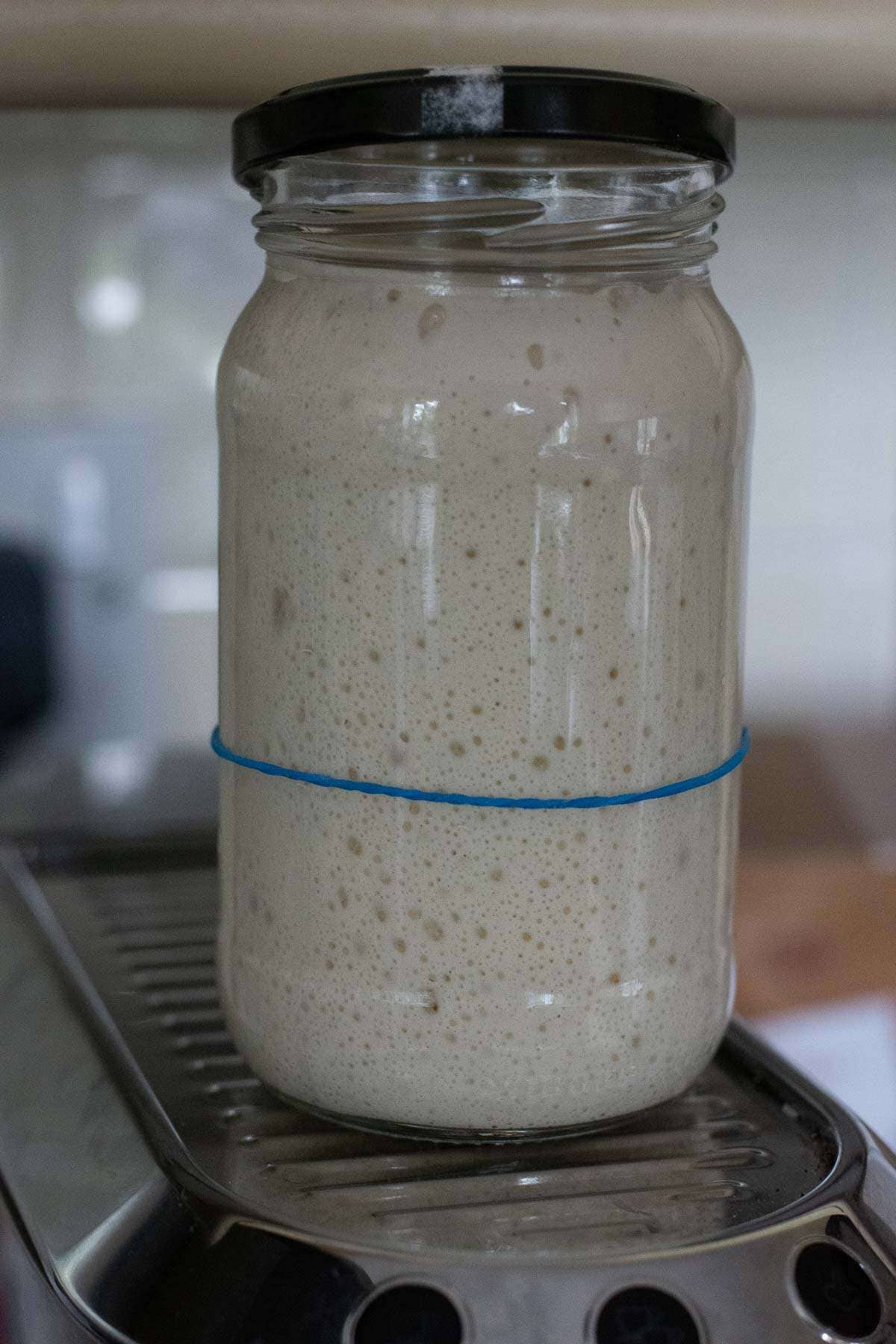
On Top of The Coffee Maker
The heat generated by a coffee machine can be a great spot for your starter! This is actually my personal preference. Coffee maker left on stand-by mode keeps my starter very nice and cosy! If, however, your coffee maker generates too much heat, you may want to place a cloth or a kitchen towel in between the jar or your sourdough starter and the coffee maker itself.
Heated Blanket
Wrap your starter in a heated blanket on a low setting, or even place the jar on top of the blanket for a gentle, steady source of warmth.
Seedling Mat
These mats, typically used for plants, can provide a warm and stable environment - perfect for keeping your sourdough starter warm without overheating it.
In A Container With Heat Source
Place your sourdough jar in a large plastic container or a large pot with a lid alongside a hot water jar inside. Close the lid to create a warm environment for your starter to rise.
Instant Pot or Yogurt Maker
Set your Instant Pot to its yogurt-making setting, or use a yogurt maker to provide the low, consistent heat that's perfect for sourdough fermentation.
Next To The Motor or Large Devices
The motor of a large appliance like a fridge often emits heat. We like to place our starter in a cupboard right next to the motor of the fridge for steady warmth.
Airing Cupboard
While not as common anymore, if you've got one, an airing cupboard is a prime warm spot for maintaining your sourdough's ideal conditions.
Sunny Windowsill
If your kitchen gets good sunlight, placing your starter on a sunny windowsill can help keep it warm. Just make sure it doesn't overheat in direct sunlight. What is more, if you live in a dry climate, this method may not be suitable, as your starter may start forming a thin layer of skin on top, preventing the starter from rising further.
Don'ts
- Don't Overheat It: Avoid placing your starter in a spot that gets too hot (like on top of a radiator or in a preheated oven). Excessive heat can kill the wild yeast and lactic acid bacteria essential for fermentation.
- Don't Forget to Monitor the Temperature: Even in a "warm" spot, if you don't check on it, the environment could get too cold or too hot. Consistent ambient temperature is key for a thriving sourdough starter.
- Don't Use Direct Heat Sources: Placing your starter directly on a hot surface, like a stove or heating pad set too high, can cause uneven heating and possibly destroy the healthy starter.
- Don't Keep It Sealed Tight: Your starter needs air to thrive, so avoid putting it in airtight containers. A bit of airflow helps the fermentation process stay balanced.
- Don't Forget About Humidity: Too much moisture can make your starter sluggish or introduce mould. On the other hand, if you live in a very dry climate, your starter may form a skin on top, preventing further rise.

How I Keep My Sourdough Starter?
I generally don't keep my sourdough starter at room temperature. I store it in the fridge and take it out as and when I want to bake with it. You can read more about how to feed and maintain sourdough starter here.
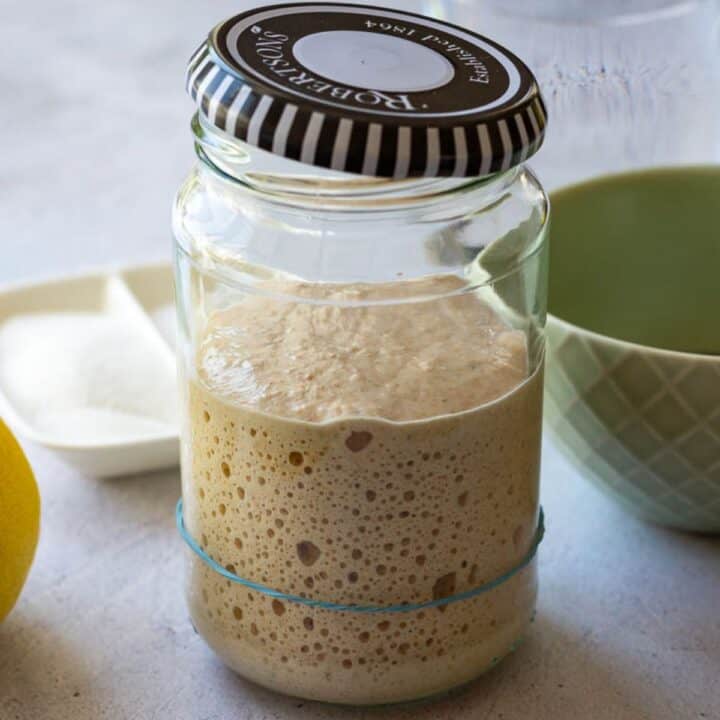
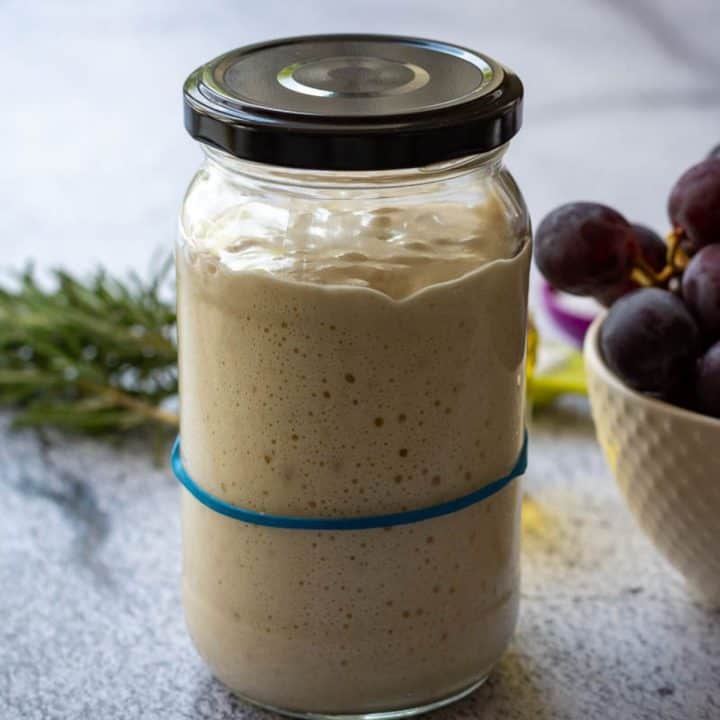
When I am ready to bake, I take my sourdough starter out of the fridge, feed a portion of it with flour and lukewarm water (my feeding ratio is typically 1:1:1), and scoop everything into a glass jar. I keep it warm in one of the ways outlined above (typically on top of my coffee maker or in a warm turned-off oven) until my sourdough starter at least doubles in volume. I use the same spots for bulk fermentation too!
Most Common Questions
Keeping your sourdough starter at higher temperatures than recommended can lead to overly rapid fermentation activity. This may result in an imbalance of yeast and bacteria, causing the starter to develop off-flavours or even spoil if the fermentation goes unchecked. Ideally, maintaining a stable environment helps produce a healthy and robust starter. What is more, temperatures above 50°C (120°F) will kill the wild yeast in your starter over a longer period of time.
To measure the temperature of your sourdough starter accurately, use a digital thermometer. Insert the probe into the starter, making sure it's not touching the sides of the container, to get a precise reading. This way, you can ensure your starter stays within the ideal temperature range for optimal fermentation. However, I have never measured the temperature of the starter - I simply measure the temperature of the environment the starter is kept in.

More Sourdough Starter Articles
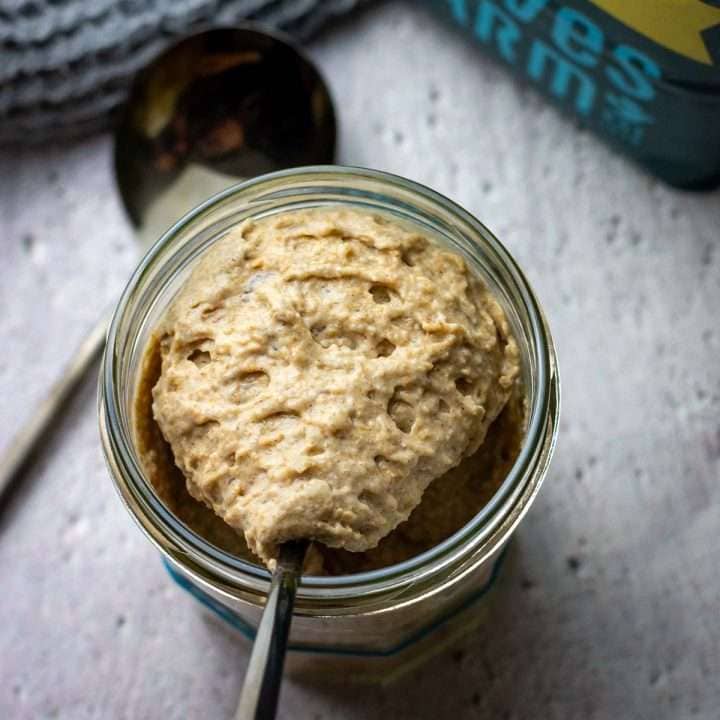
If you're looking to keep your sourdough journey on track and ensure a happy starter, check out these articles packed with tips and tricks for maintaining a happy starter, using sourdough discard and troubleshooting any problems with your temperamental starter.
- Rye Sourdough Starter: How To Make It From Scratch?
- Stiff Sourdough Starter: Conversion, Ratios & Benefits
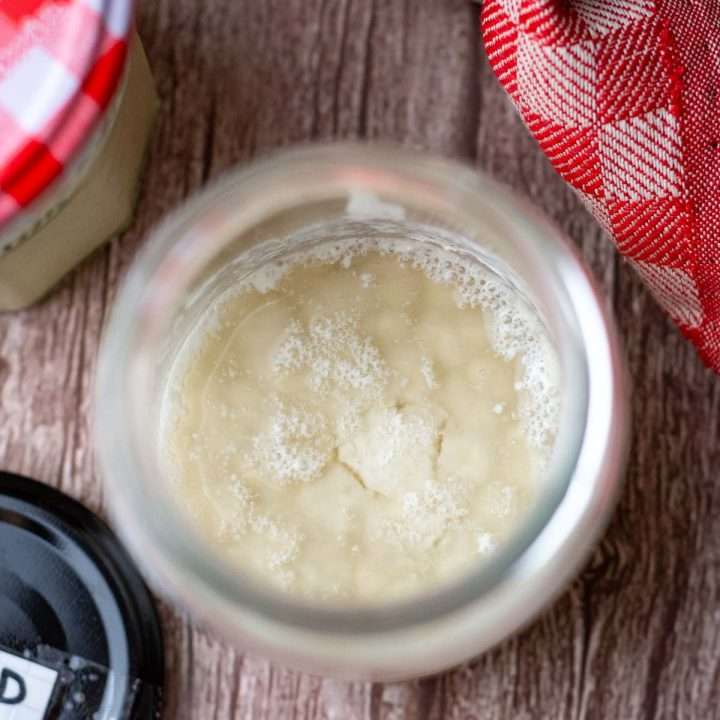
- Runny Sourdough Starter: Why It Happens and How to Fix It
- Sourdough Starter Hooch: What It Is, Why It Forms and What to Do
- How To Revive Frozen Sourdough Starter?
- How To Freeze Sourdough Starter? (Complete Guide)
- Sourdough Discard 101: Facts, Easy Recipes & Storage
- Sourdough Discard Recipes: Best Ways To Use Up Unfed Starter






Leave a Reply