
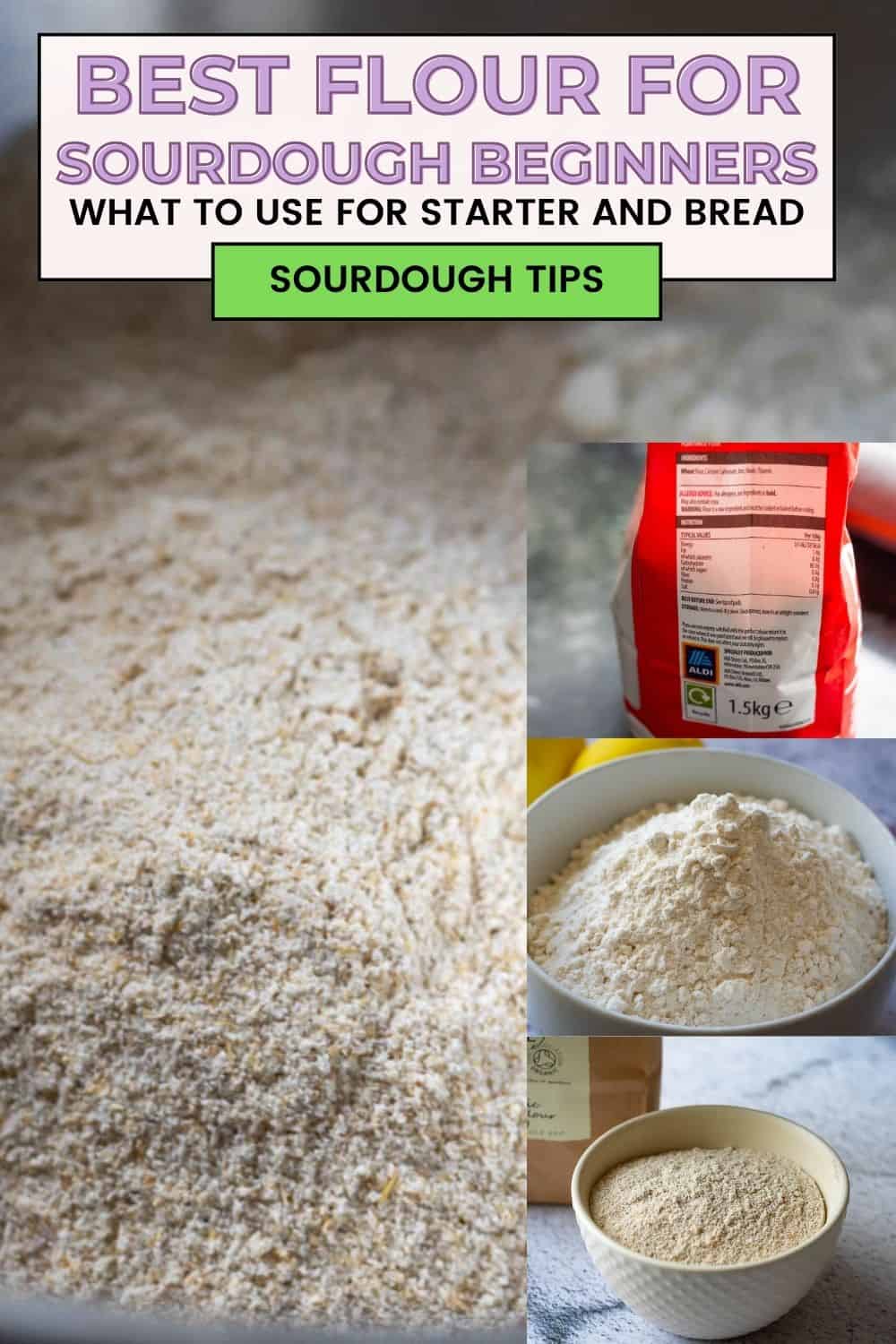
Choosing the right sourdough flour can feel oddly stressful when you are just starting out. One person says rye flour is best, another swears by organic strong white bread flour, and suddenly you are standing in the baking aisle questioning a perfectly innocent bag of flour.
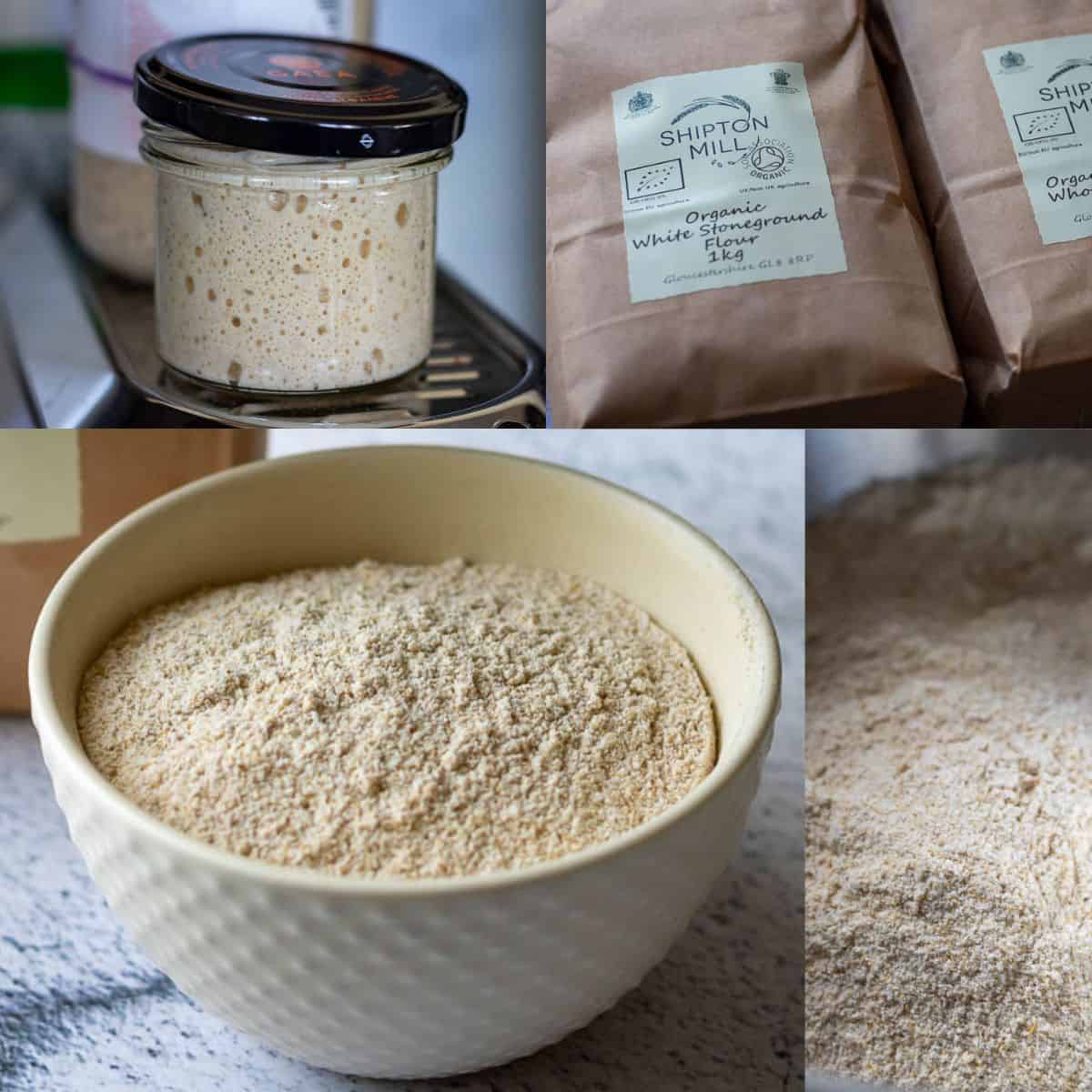
The good news? You do not need a huge selection of flours to make great bread. As a complete beginner, it is much better to choose one reliable flour, learn how it behaves, and only then start experimenting with different flours.
Jump to:
- Best Flour For Sourdough Starter
- Why Flour Changes How Your Starter Looks
- What I Feed My Own Sourdough Starters
- Can You Use Any Starter In Any Sourdough Bread?
- Flour To Use For Sourdough Bread
- Other Flours To Try In Small Amounts
- Why You Should Not Jump Between Flours Too Quickly
- One More Type Of Flour
- What Flour Should You Avoid For Sourdough?
- Want To Go Deeper Into Sourdough Flour?
- Quick Beginner Flour Rules
As an Amazon Associate I earn from qualifying purchases, at no extra cost for you! Thank you!
There are two things to think about: the best flour for sourdough starter, and the flour to use for sourdough bread itself.
Best Flour For Sourdough Starter
A sourdough starter is made from flour and water. Over time, wild yeast and bacteria develop in the mixture, which is what makes sourdough bread rise without commercial yeast.
You can feed your own sourdough starter with different types of flour, including strong white bread flour, wholemeal flour, rye flour, or a mix. There is no single right flour, but your choice of flour does make a difference.
Rye flour and wholemeal flour usually make a starter more active because they contain more of the grain. That means more nutrients and a higher mineral content, which can help the fermentation process. Rye flour, especially dark rye, is often a good option for a sluggish starter because it tends to wake things up nicely.
White flour, especially strong flour, can also work very well. It often gives a milder starter with a cleaner smell and flavour. If you want a simple, reliable starter for everyday sourdough bread recipes, strong white bread flour is an excellent choice.


You do not have to feed your starter the exact flour you used to create it forever. You can make a wheat starter and later feed it rye flour. You can also make a rye starter and later feed it wheat flour.
Just remember that your starter may need a few feeds to adjust, especially if you move from higher-nutrition flour, like rye or wholemeal, to lower-nutrition flour, like plain flour or all-purpose flour.
Why Flour Changes How Your Starter Looks
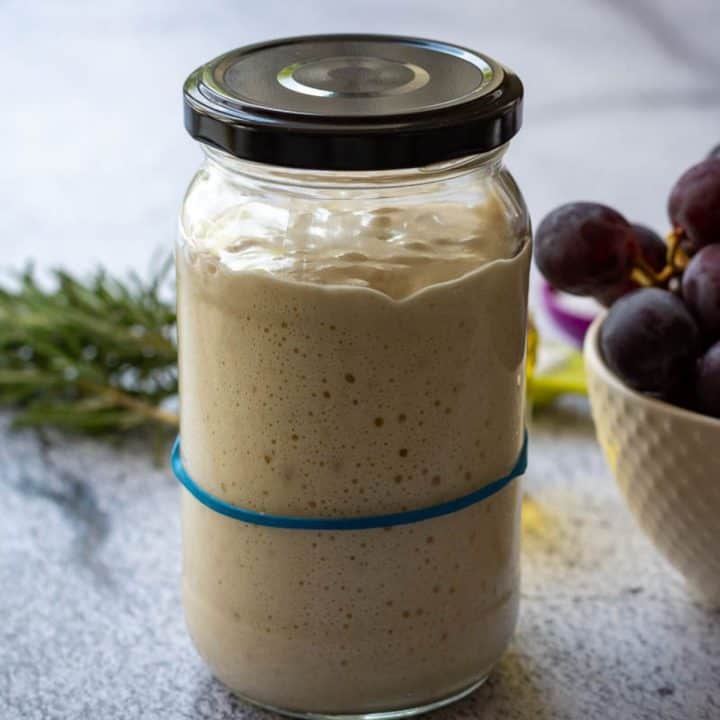
Different flours can make your starter look and behave differently.
Higher protein content often creates a sturdier, more mousse-like starter that holds bigger bubbles. A starter fed with higher protein flours may rise with more structure and look thicker in the jar.
Lower protein flours can still ferment perfectly well, but the starter may look looser, thinner or more batter-like. That does not automatically mean something is wrong. It simply means the flour behaves differently. Plus, you may need to feed your starter more often, since all-purpose flour doesn't provide your flour with as much food.
The protein level matters because protein helps create gluten structure. Gluten gives bread dough stretch and strength, but in a starter, it can also affect how well the mixture holds air bubbles.

So if you change your brand of flour and your starter suddenly looks different, do not immediately assume disaster. Sourdough is dramatic, but give it a few days to adjust.
What I Feed My Own Sourdough Starters
I keep two starters.
One is a rye starter, which I feed with wholemeal rye flour. It is lively, tangy and very reliable.
The other is a white wheat starter. I usually feed this with standard strong bread flour with around 12.5% protein, or with stone-ground white flour when I have it. My favourite is Shipton Mill Organic Stoneground White Flour.
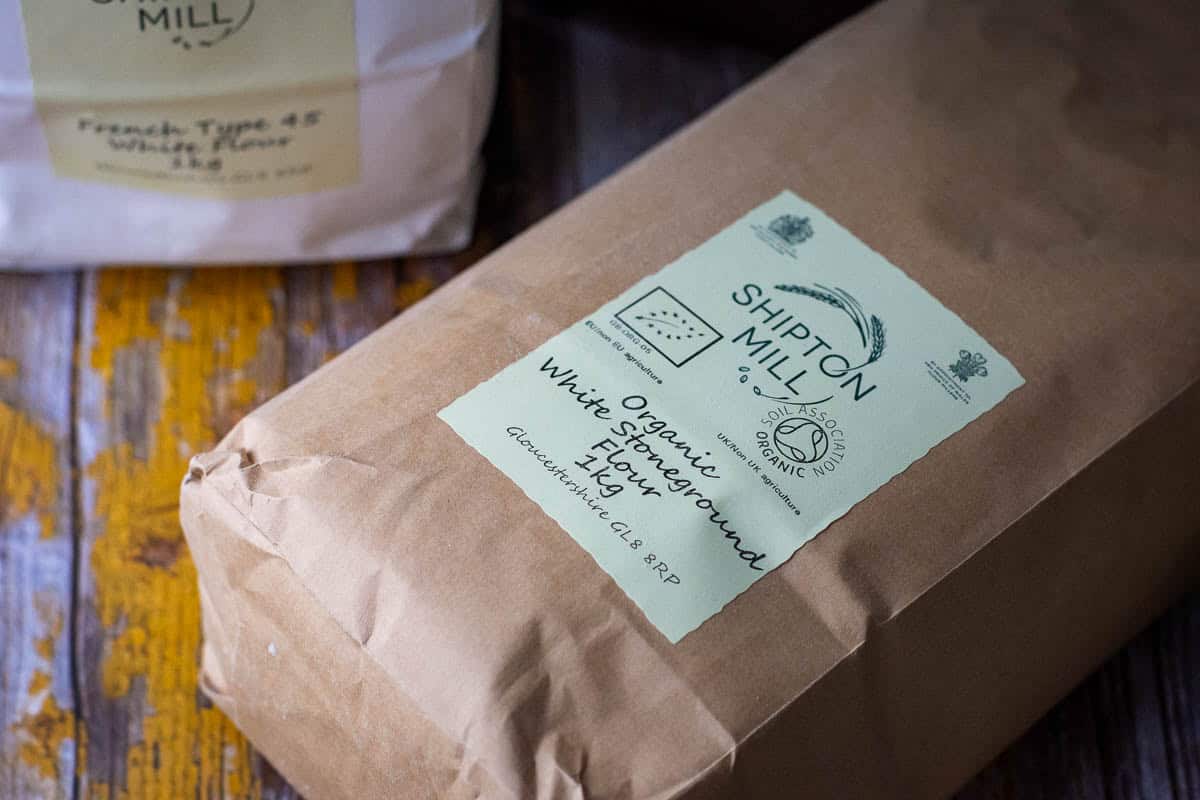
You do not need two starters. One active sourdough starter is more than enough for most home bakers. I keep both because they give slightly different flavours and I like having options.
Can You Use Any Starter In Any Sourdough Bread?
Yes, most of the time you can use any active sourdough starter in any sourdough bread recipe.
A rye starter can be used to make a loaf with mostly white wheat flour. A white wheat starter can be used in a rye, wholemeal or ancient grains loaf. The starter is only part of the total flour in the recipe, so it will not completely take over the dough.
But it can influence the flavour.
I find that rye or wholemeal starters give bread a more noticeable tang, even if the rest of the dough is made with white flour. A white wheat starter usually gives a milder loaf.
This is partly personal preference. Some sourdough bakers love a sharper, tangier flavour. Others prefer a gentler, softer flavour, especially for a simple sourdough bread recipe or homemade sourdough bread that will be used for sandwiches.

Flour To Use For Sourdough Bread
For your first few sourdough loaves, the best option is strong white bread flour.
This is the flour I would recommend for beginner sourdough boules and batards because it gives the dough more strength. That matters when you need the bread dough to hold shape during bulk fermentation, shaping, proofing and baking.
The number to look at first is the protein content. For beginner sourdough bread, I would look for strong bread flour with around 12% protein or higher.
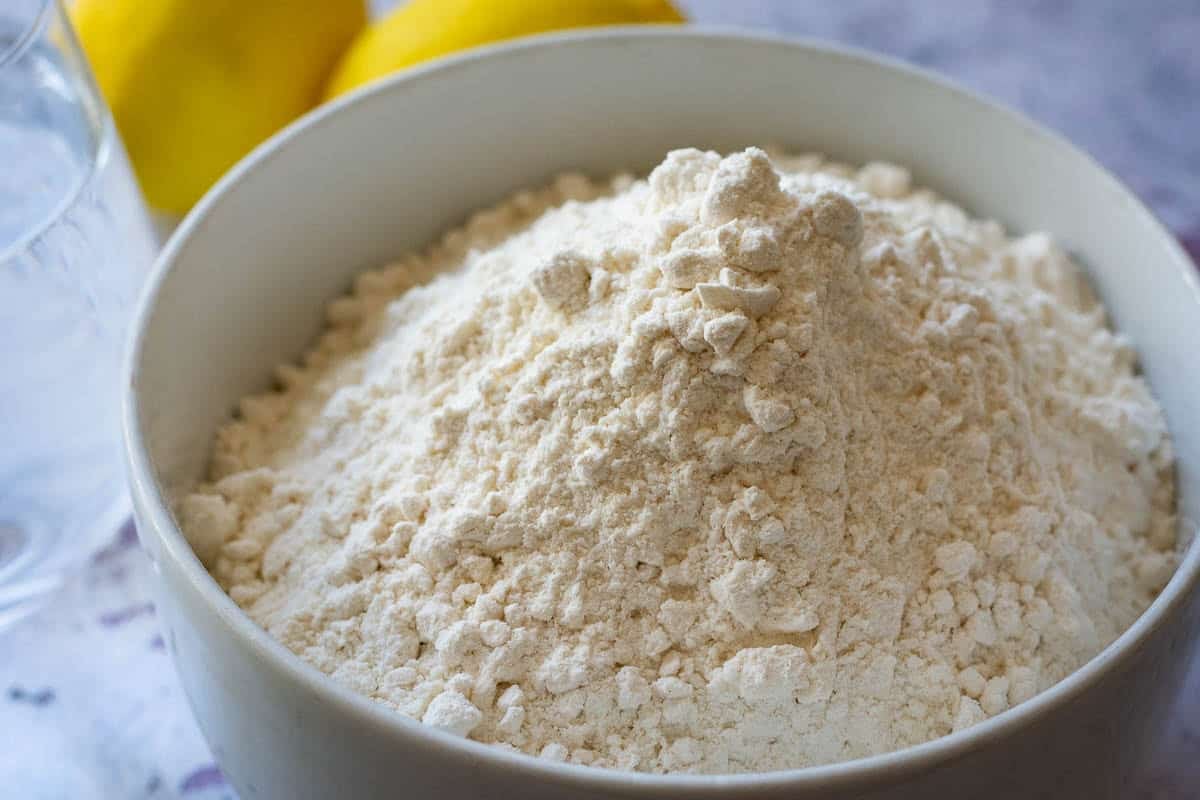
Protein helps build gluten development. Gluten is what allows the dough to stretch, trap gas and rise properly. Higher protein content usually means the dough can hold its shape better, which is especially useful when you are learning.
Low protein flours, such as some plain flour or all-purpose flour, can make the dough feel weaker and more likely to spread. That does not mean they are useless. They can be brilliant in sourdough discard recipes, pancakes, muffins, cookies, cakes, some focaccia recipes and softer loaf pan breads.
But for your first free-standing loaf, strong white bread flour is the safest place to start.
Other Flours To Try In Small Amounts
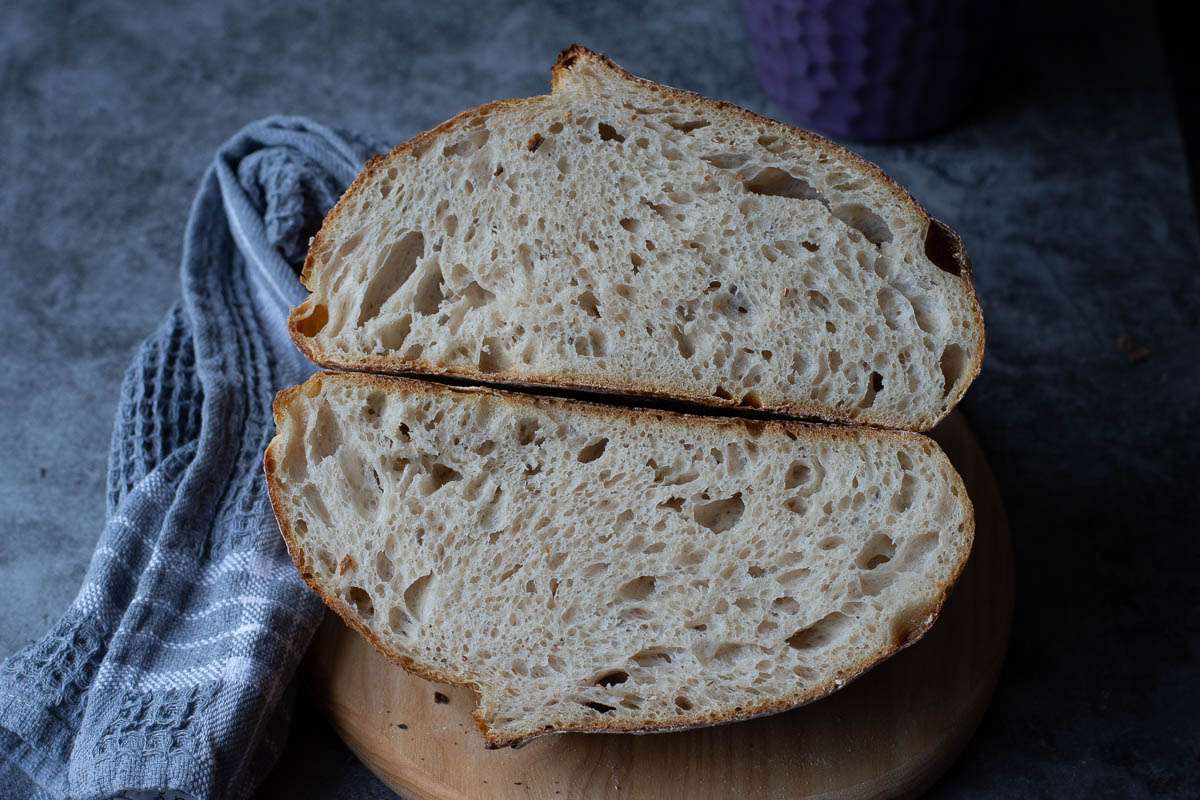
Once you are comfortable with one flour, you can start replacing a small amount of your strong white bread flour with other flour types.
A good starting point is usually up to 25% of the total flour. So, if your recipe uses 400g flour, you might use 300g strong white bread flour and 100g of another flour.
Do not change everything at once.
Wholemeal Flour
Wholemeal flour, also called whole wheat flour in some places, adds deeper flavour and more nutrients. It usually absorbs more water than white flour, so the dough may feel different.
It can make bread more wholesome and flavourful, but too much can make the loaf denser if you are not used to handling it.
Rye Flour
Rye flour adds earthy flavour and a stronger tang. It ferments quickly and can be wonderful in sourdough bread.
However, rye does not build gluten in the same way as modern wheat, so it can make dough stickier and less elastic. Start with a small amount unless you are following a rye-specific recipe.
Spelt Flour
Spelt flour is one of my favourite flour choices for flavour. It has a nutty, slightly sweet taste and works beautifully in sourdough.
It tends to stretch easily but can feel softer and less strong than hard wheat flour, so it is best introduced gradually. Try my spelt sourdough bread if you're interested in this ancient grain!
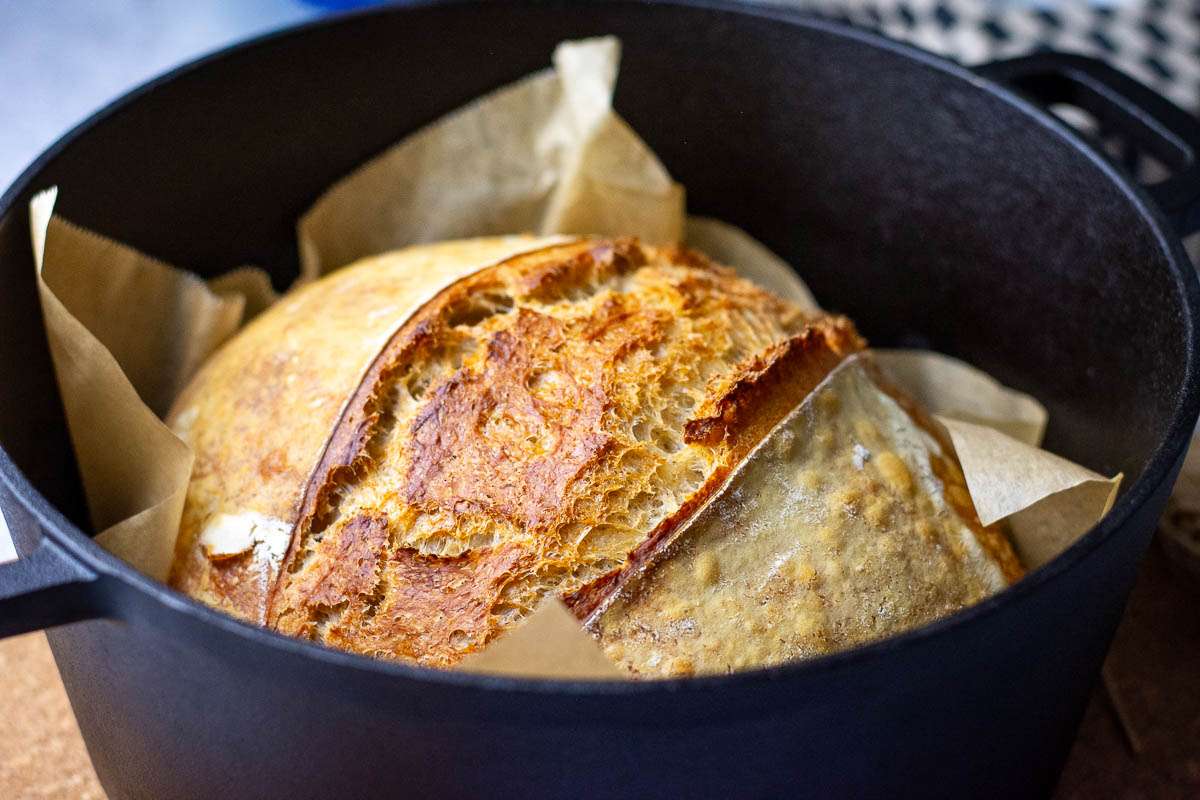
Einkorn Flour
Einkorn is one of the ancient grains and has a lovely sweet, nutty flavour. It can make wonderful sourdough bread, but it behaves differently from modern wheat and can become sticky if used in large amounts.
My einkorn sourdough bread is a good beginner-friendly way to try it because it uses einkorn as part of the flour, not the whole loaf.
Barley Flour
Barley flour adds subtle sweetness and nuttiness. It does not behave like strong wheat flour, so again, use it as a smaller portion of the total flour.
My barley sourdough bread is a good example of how a less common flour can add flavour without making the dough too difficult to handle.

Why You Should Not Jump Between Flours Too Quickly
Every flour behaves differently.
Different flours absorb different amounts of water, ferment at different speeds and create different dough textures. Some need a higher hydration level. Others need less water. Some make the dough feel strong and elastic, while others make it feel sticky, slack or delicate.
If you keep changing flour every time you bake, it becomes very hard to know what went wrong. Was it the recipe? The fermentation? The shaping? The amount of water? Or was it just the new bag of flour sitting there looking innocent?
Pick one flour, bake with it several times, and learn how your dough normally feels. Once you know that, start making small changes.
That is where the learning curve becomes useful instead of annoying.

One More Type Of Flour
Rice flour is a little different because I do not use it in the dough itself.
Instead, I use it for dusting banneton baskets, worktops and other surfaces where I do not want the dough to stick. Because it is gluten free, it does not cling to the dough like wheat flour can.
Of all the gluten-free flours I have tried for dusting, rice flour works best. A light sprinkle in a banneton basket can make turning out the dough much easier before scoring and baking.
What Flour Should You Avoid For Sourdough?
I would avoid bleached flour for sourdough if possible. Choose unbleached flour instead, especially for your starter and bread dough.
I would also avoid bromated flour. It is not common in the UK, but if you are buying flour elsewhere, look for unbleached and unbromated flour.
Plain flour and lower protein all-purpose flour are not always bad, but they are not usually the best type of flour for beginner boules and batards. If the protein level is under around 12%, the dough may lack strength and spread more. Very frustrating for both beginners and experienced bakers!
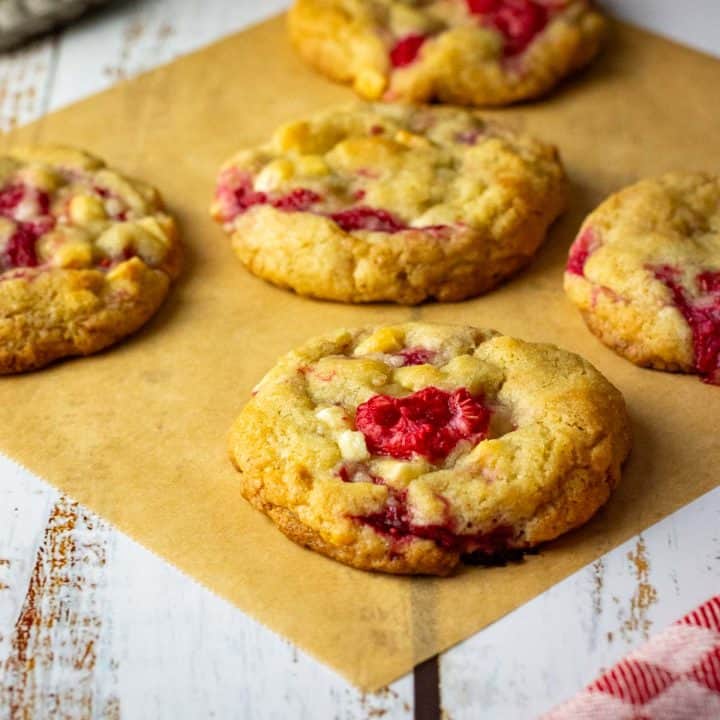
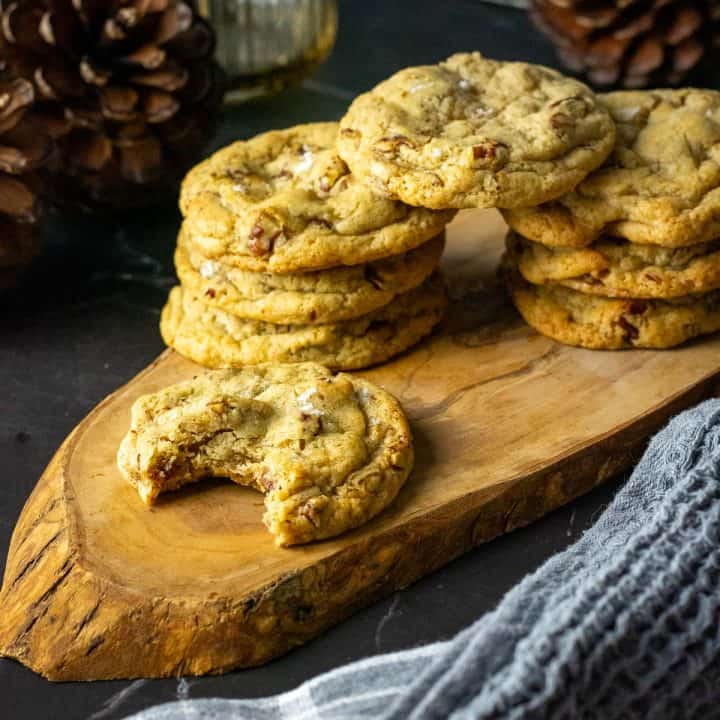
That said, lower protein flour still has a place. Use it for sourdough discard recipes, muffins, cakes, biscuits, crackers, pancakes and some focaccia. You can also blend it with strong flour if you need to use it up.


Want To Go Deeper Into Sourdough Flour?
For beginners, protein content is the main thing to understand first.
But flour science does go deeper than that. Flour strength, W Index, P/L ratio, ash content and water absorption capacity all affect sourdough baking. If you want the full flour nerd version, read my more advanced guide to the best flour for sourdough baking.
You do not need to know all of that to bake wonderful sourdough bread, but it can help once you are ready to understand why one bag of flour behaves completely differently from another.
LOVE BAKING SOURDOUGH WITH ME?
You can now add Somebody Feed Seb as a preferred source on Google. It only takes a tick box, and tells Google you'd like to see more of my recipes when relevant.
Quick Beginner Flour Rules
If you are new to sourdough, start here:
- Feed your starter with rye flour, wholemeal flour or strong white bread flour.
- Give your starter a few feeds to adjust when changing flour.
- Use strong white bread flour for your first loaf.
- Look for around 12% protein or higher for boules and batards.
- Add wholemeal, rye, spelt, einkorn or barley flour in small amounts first.
- Do not change flour every time you bake. Get comfortable with one type first.
- If your dough suddenly feels different, the flour may be the reason.
Once you have your flour sorted, try my everyday sourdough bread or start with sourdough bread without a Dutch oven. Keep it simple, learn the dough, and only then start letting the flour cupboard get ideas.

Leave a Reply