
Whether you're a novice or a skilled baker, improving your skills and mastering different techniques in the sourdough process can elevate your bread to new heights. One such simple method is the stretch and fold technique, which not only aids gluten development but also transforms your dough into a beautifully structured masterpiece.
Let's break down this hands-on approach and discover how easy it is to create a loaf that boasts a great rise and an open crumb.

Jump to:
- What Is The Stretch and Fold Method?
- What Does Stretching and Folding Sourdough Do?
- Practical Benefits
- When To Stretch and Fold Sourdough?
- Step-By-Step Method
- Video
- Incorporating Mix-Ins
- How Long Should You Wait Between Sets Of Stretch and Folds?
- How Many Sets Is Enough?
- Signs That You've Done Enough
- Commonly Asked Questions
- Put It Into Practice: Sourdough Recipes
- More Sourdough Methods To Learn
As an Amazon Associate I earn from qualifying purchases, at no extra cost for you! Thank you!
What Is The Stretch and Fold Method?
The stretch and fold technique is a common technique in sourdough baking that helps build the gluten network and support the development of the dough. Instead of hand kneading, you stretch the dough and fold it over itself, encouraging strength and elasticity.
It is often preferred for high-hydration doughs like sourdough, as it promotes structure without overworking the dough. It's an essential part of sourdough baking for anyone aiming to get a great texture and rise.
Coil folds is another popular option among sourdough folding techniques.

What Does Stretching and Folding Sourdough Do?
Stretching and folding sourdough is a great way to help develop the dough's structure and strength. Here's what happens during the process:
- Gluten development: With each stretch, the gluten strands in the dough are strengthened. The gluten forms networks which allow the dough to trap gas and rise effectively during fermentation.
- Dough strength: The process increases the dough's strength, which is essential for creating a structure that can support itself during baking. Without strong gluten strands, the dough would collapse under its own weight.
- Helps incorporate air: Each stretch and fold incorporates air into the dough. This is important as it creates tiny air pockets where carbon dioxide from fermentation can be trapped, contributing to a light, airy final texture.
- Increasing dough tension: As you fold the dough over itself, tension builds on the surface, which is key to maintaining shape and structure. The dough becomes more elastic and resilient with each series of folds which makes shaping easier.
- Dough's temperature: The physical action of handling the dough slightly raises its temperature, helping fermentation proceed more efficiently. It also redistributes the heat from the surface of the dough into the centre.
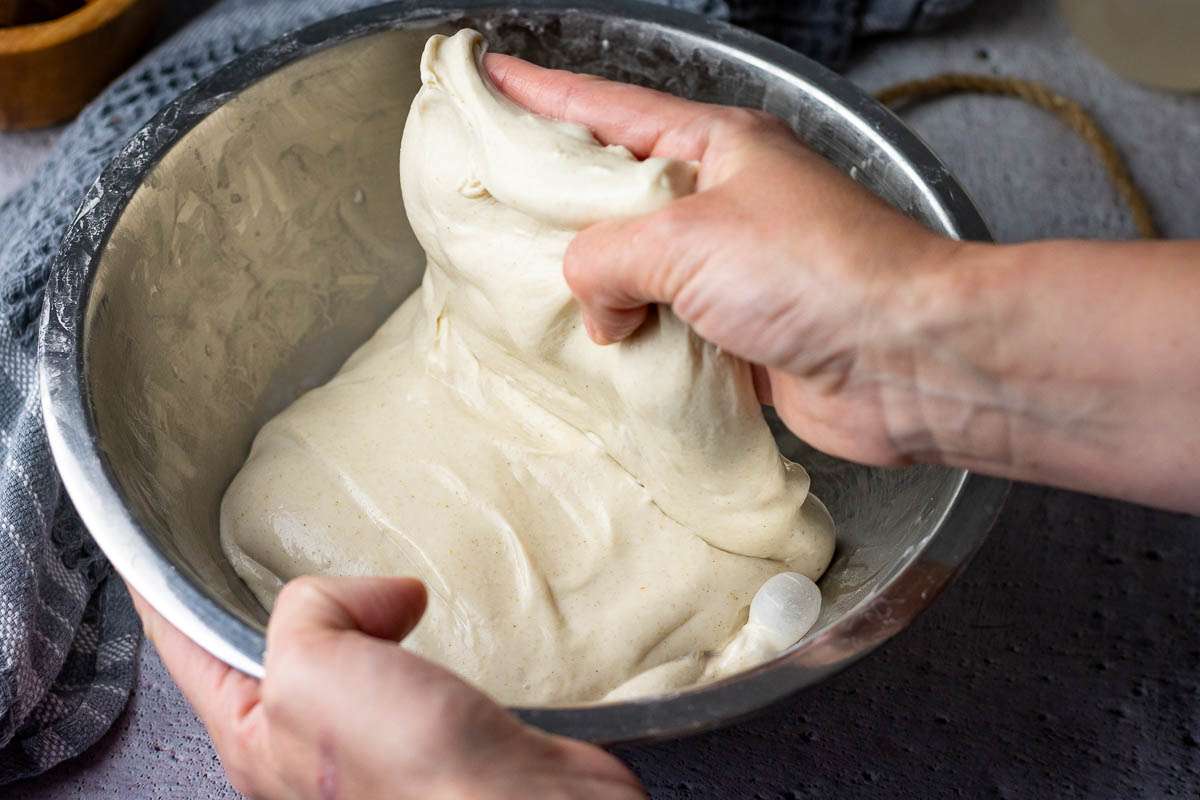
By the end of these folds, your dough should be stronger, smoother, and ready to continue the fermentation process with improved elasticity and structure.
Practical Benefits
The stretch and fold technique offers several practical benefits for home bakers that can drastically improve your sourdough results. Here's how:
- Easier handling and shaping: After several rounds of stretching and folding, the dough transforms from a sticky, soggy dough into a soft, stronger dough that's easier to handle and shape. By building a significant amount of strength, it becomes easier to form a tight ball that holds its shape, preventing the dough from spreading out too much during the final rise.
- No need for heavy kneading: For sourdough bakers, stretch and fold methods can eliminate the need for intensive bench kneading or mixing in a stand mixer. However, some bakers choose to mix the dough initially to give gluten development a head start, making the folds even more effective.
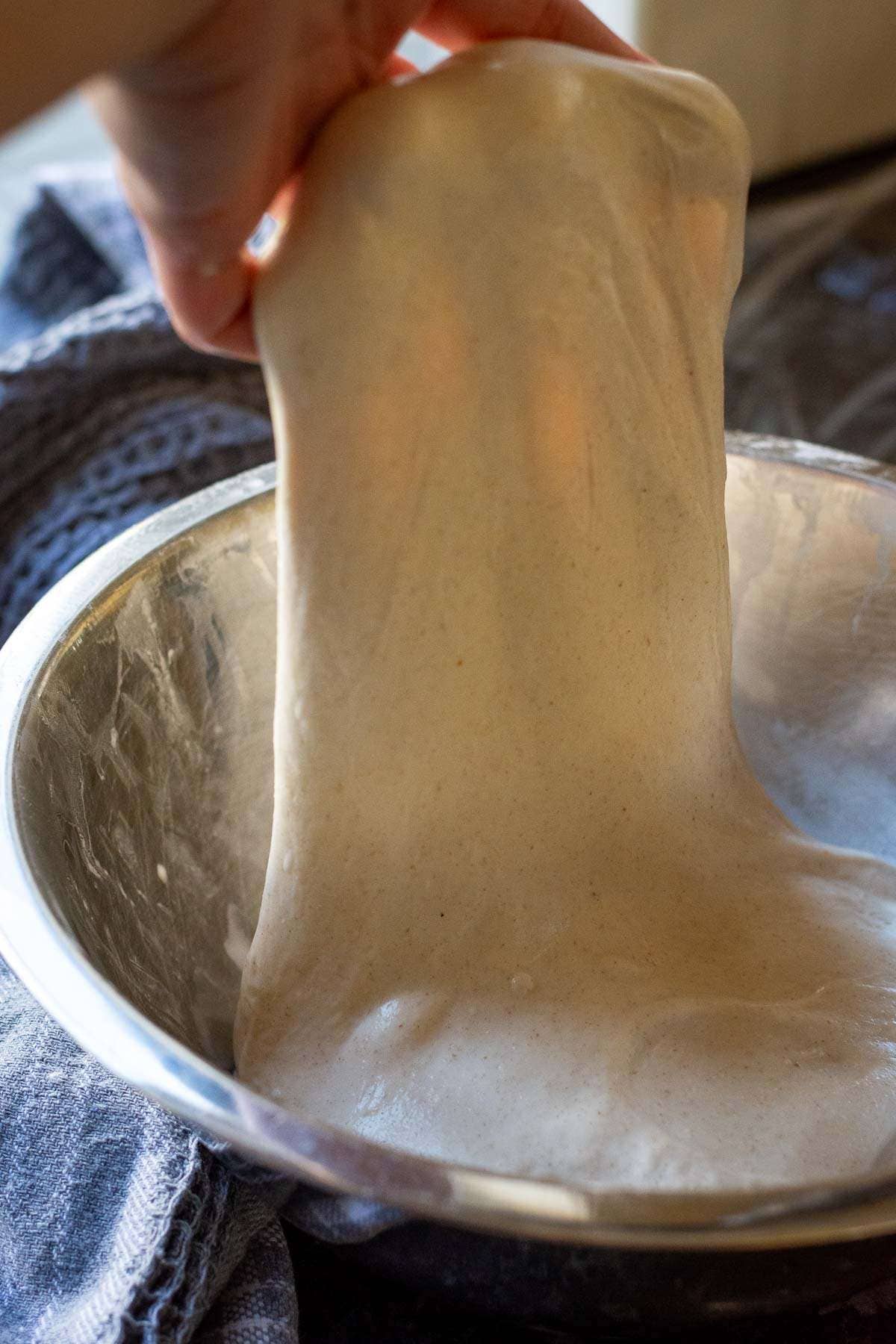
- Better oven spring and rise: Each fold incorporates air into the dough, which creates pockets that trap carbon dioxide from fermentation. This leads to a lofty high rise during baking, with an impressive oven spring, resulting in a better result overall. Bakers seem to love a more open crumb, right?
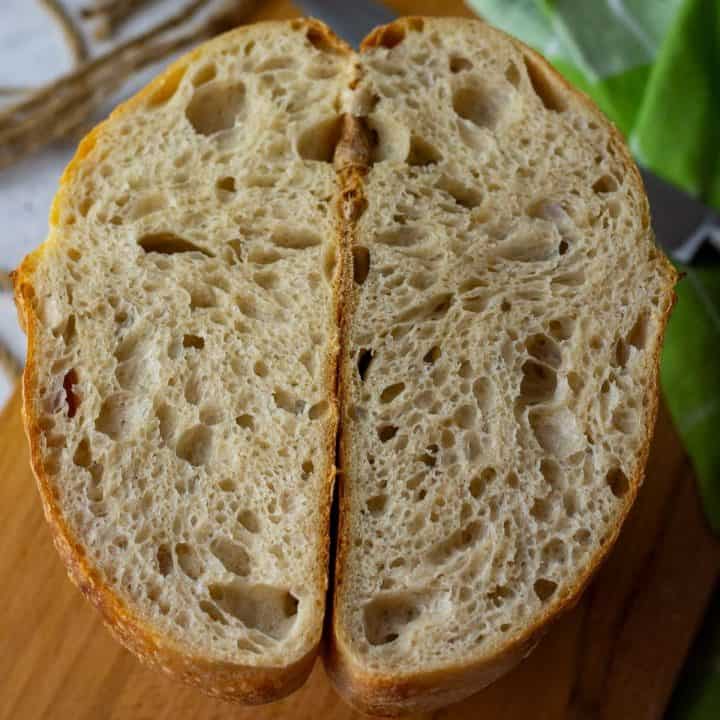
- More open crumb: The technique helps create a dough with a more open interior crumb. The additional air and gluten structure gives the final product an airy, light texture with irregular, artisan-style holes throughout.
When To Stretch and Fold Sourdough?
Stretch and fold is typically done after the initial mix of the dough, following the sourdough autolyse (if you're using that step). The technique is carried out during the bulk fermentation process, where the sourdough bread dough is developing flavour and strength.
You'll perform the stretch and folds periodically while the dough is fermenting at room temperature, helping to build strength and structure as the dough rises.
Step-By-Step Method
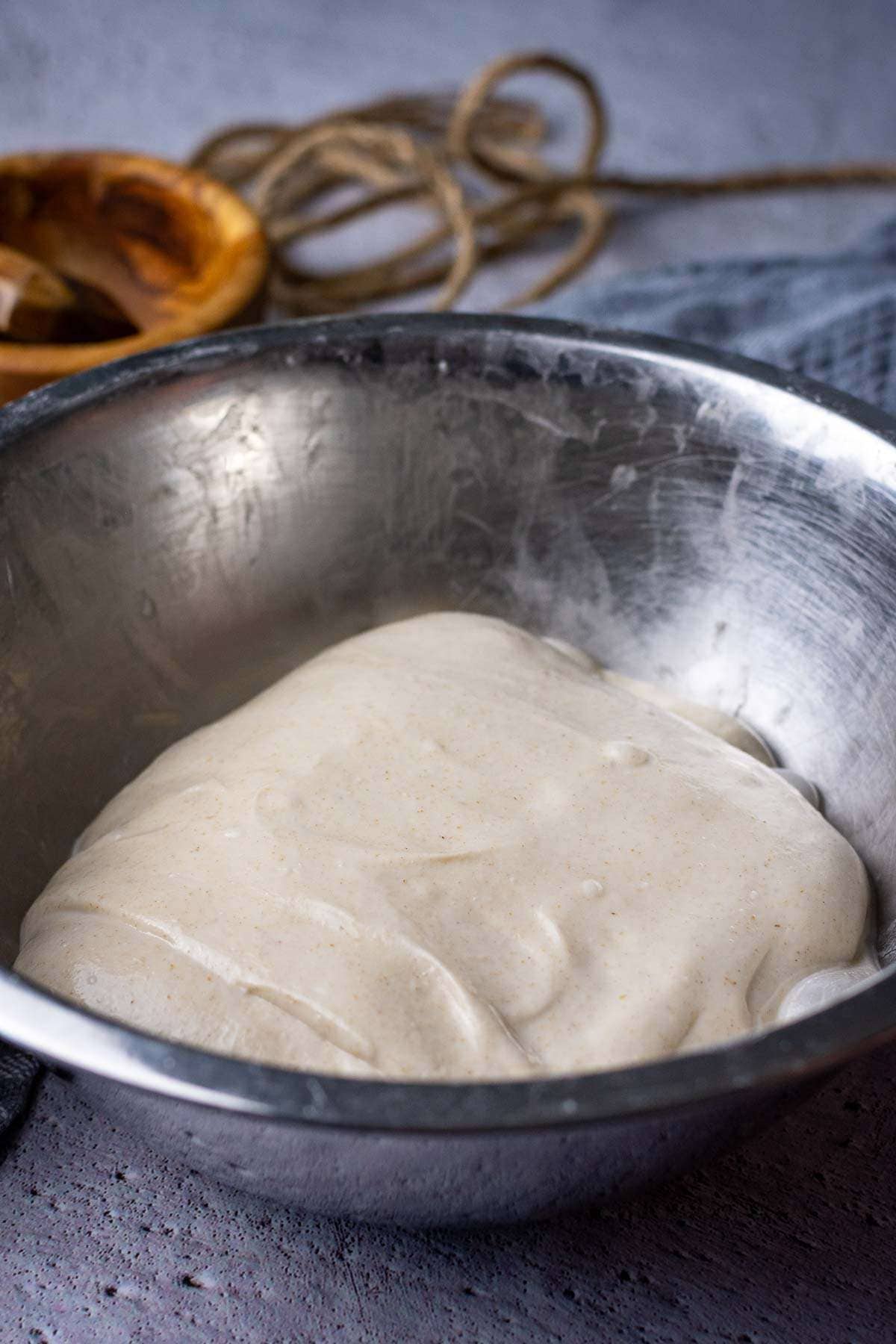
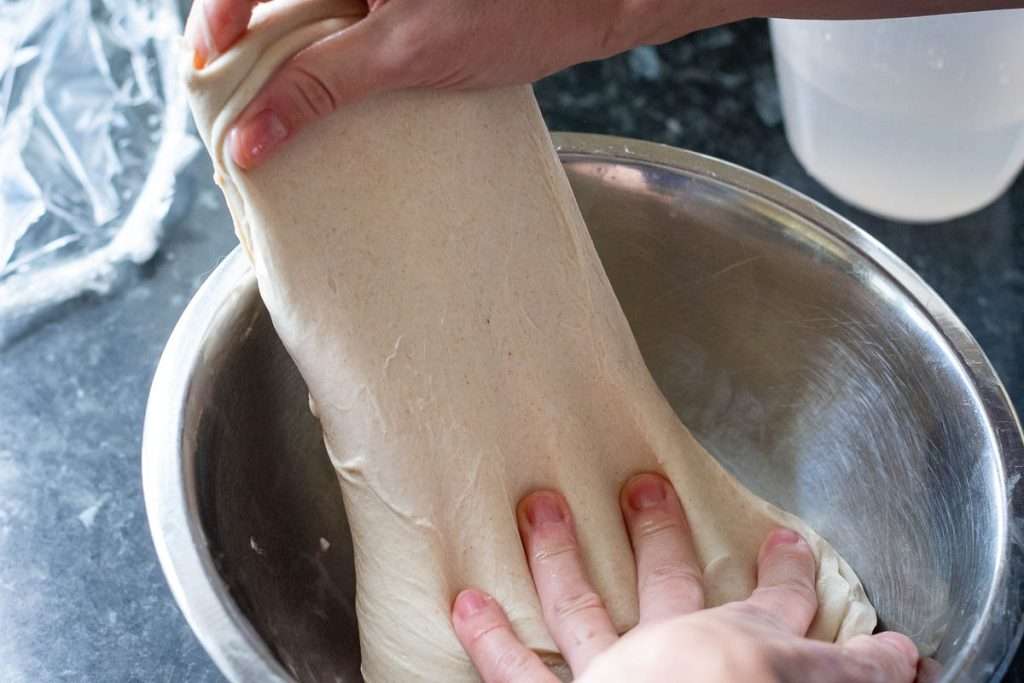
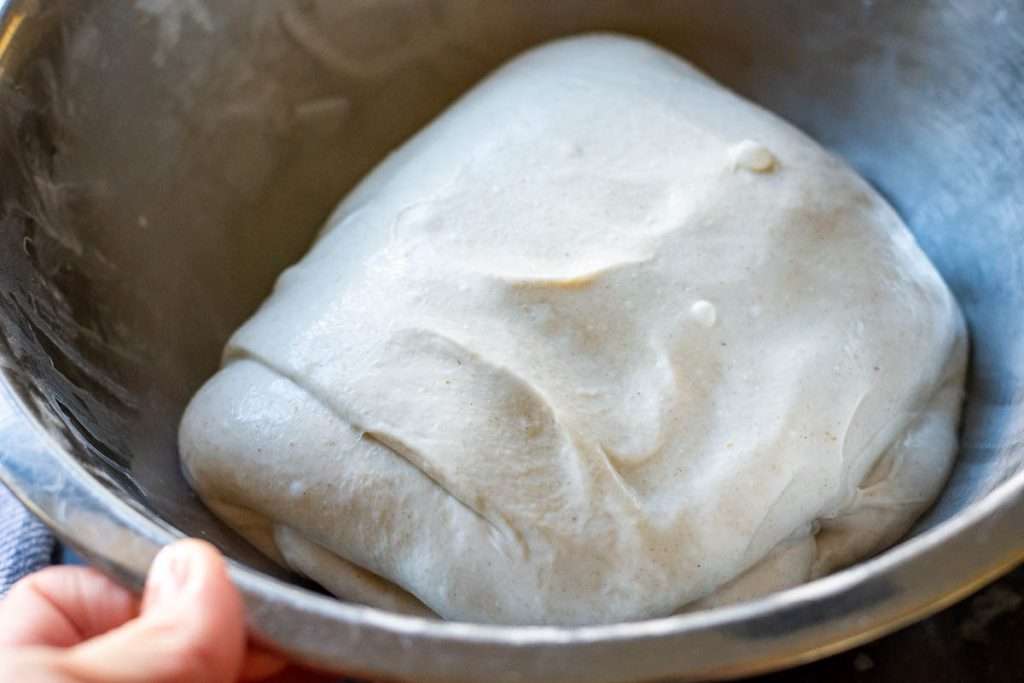
After your sourdough has been mixed, let the dough rest for 30 minutes. Then use the following technique for stretch and folds:
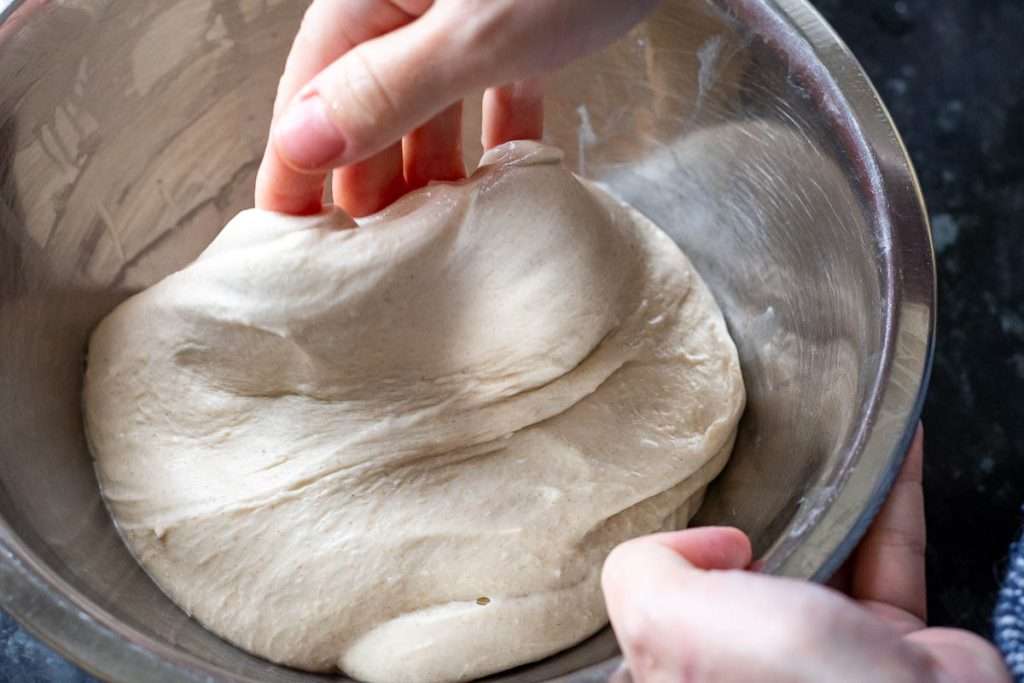
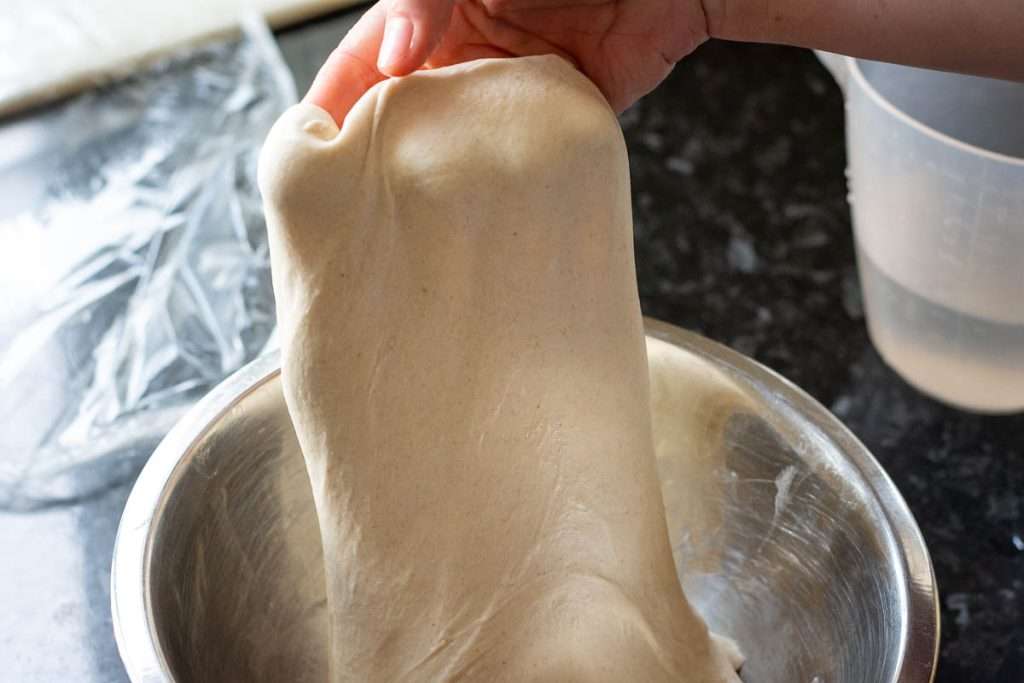
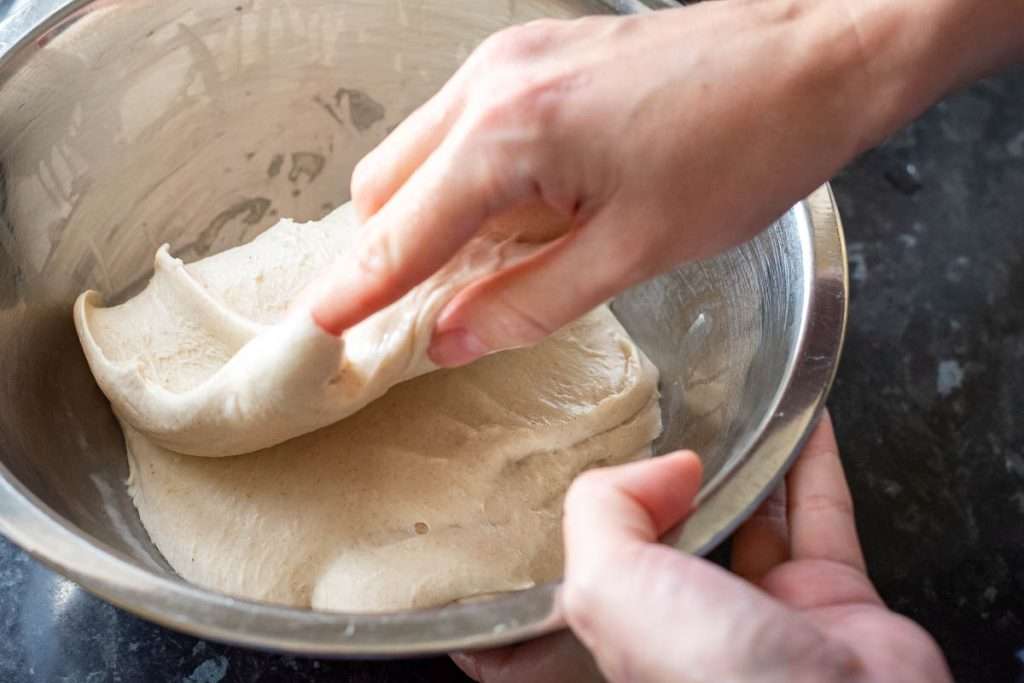
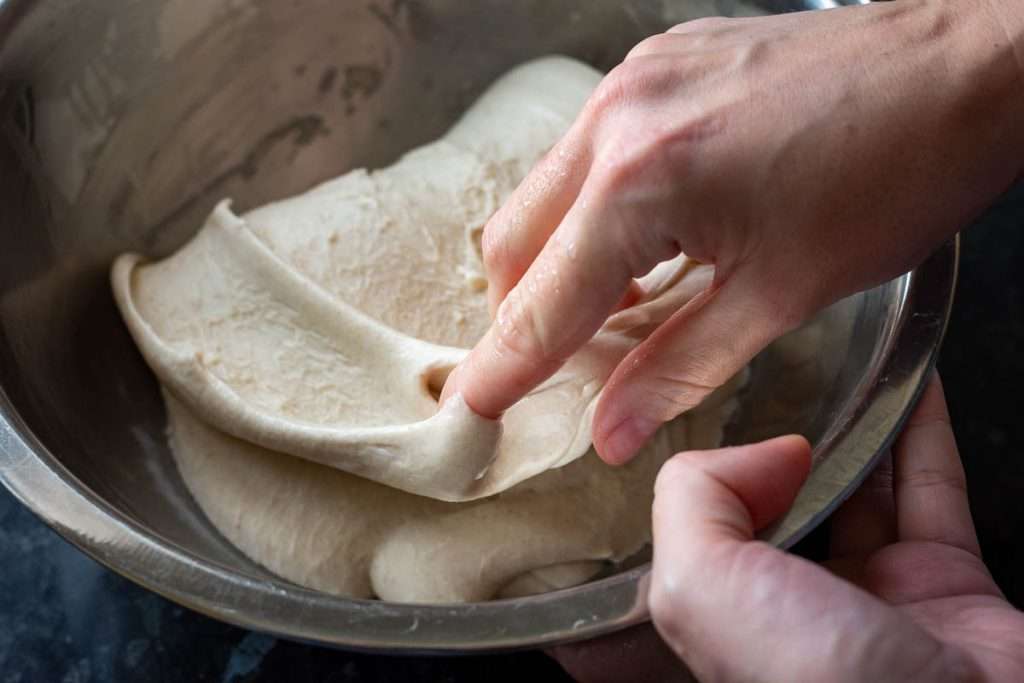
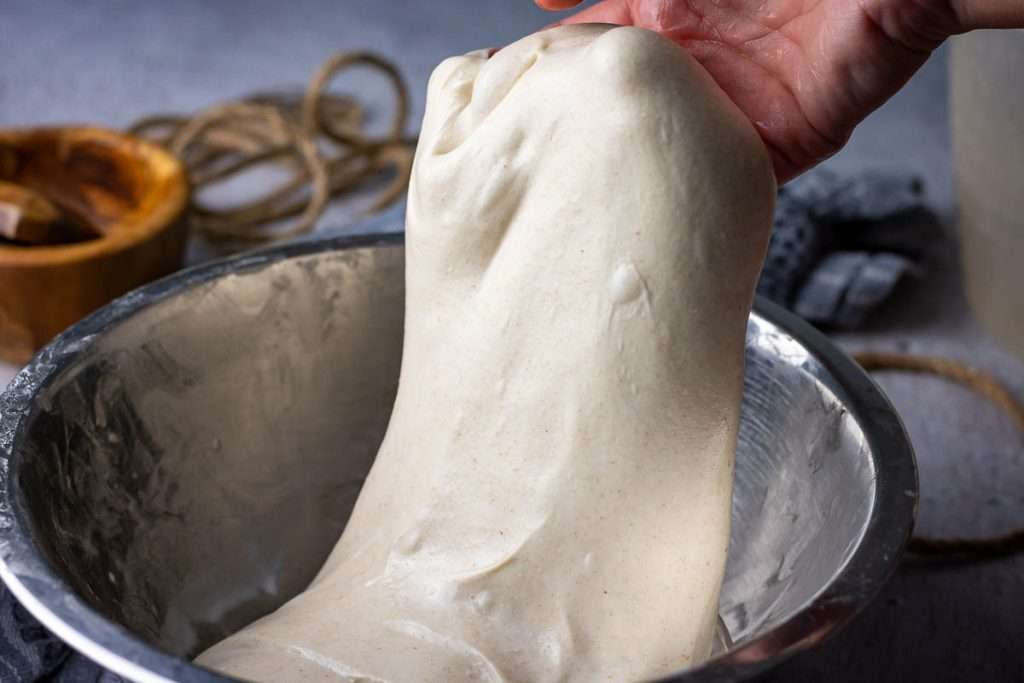
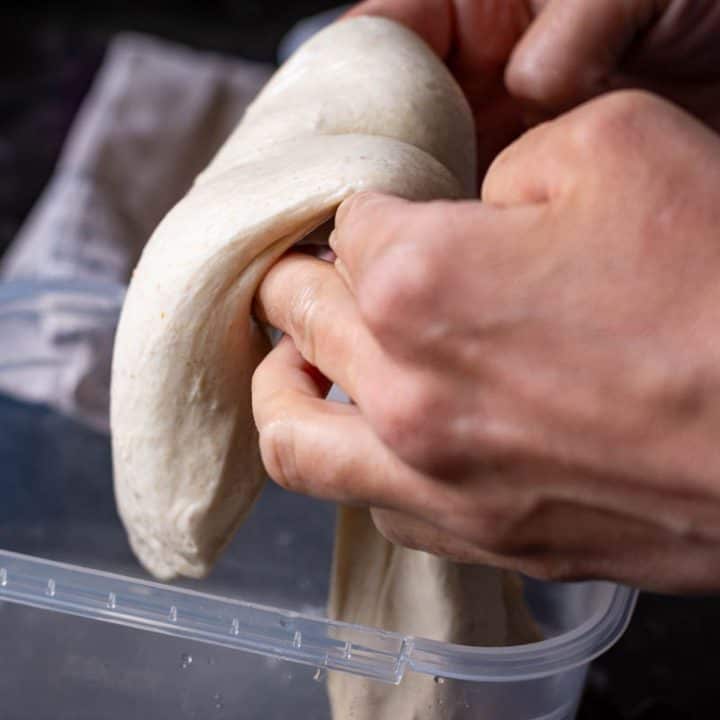
- With wet hands, gently lift one side of the dough, stretching it upwards without tearing it.
- Fold that stretched side over the dough and gently press the edge dough to make it stick to the opposite side.
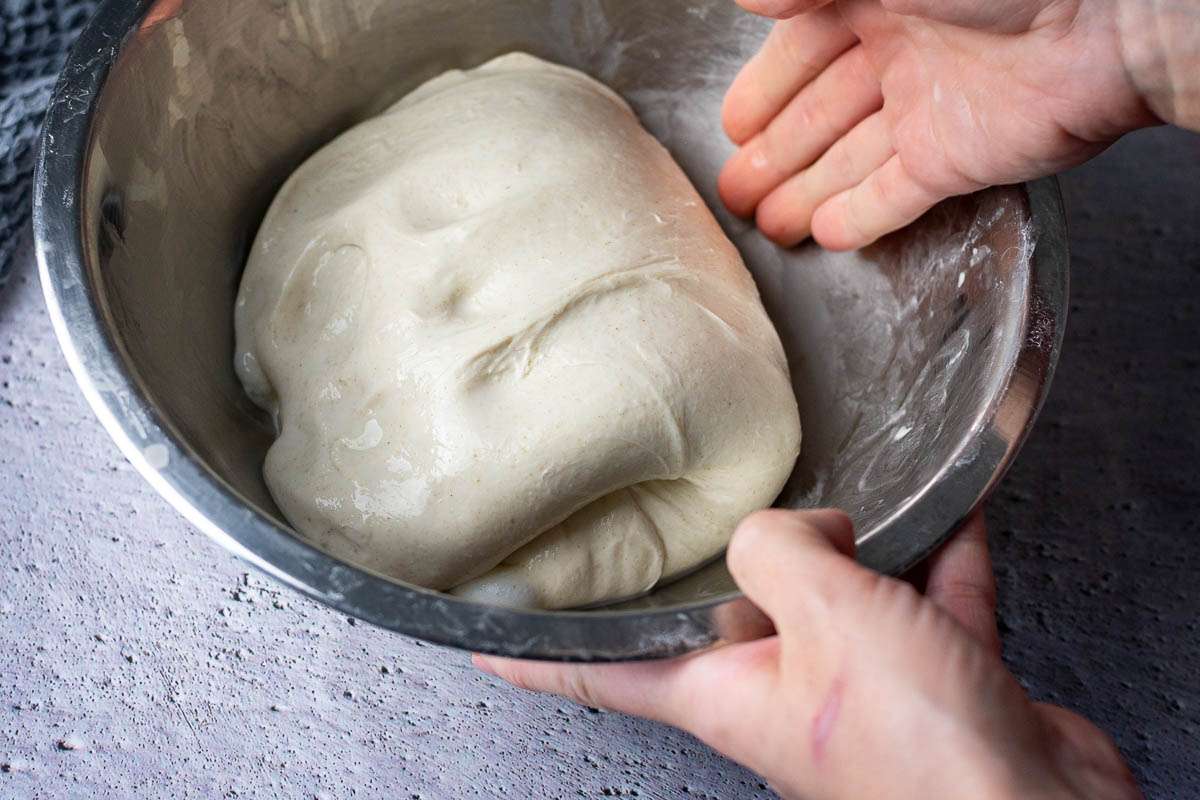
- Give the bowl a quarter turn, and repeat with the next side.
- Continue this process until you've folded all four sides.
- This completes your first set of stretch and folds.
- Let the dough rest, and repeat this process during the bulk rise for 4 to 6 more sets (more on this below).
Video
Watch a quick video that shows one set of sourdough stretch and folds.
Incorporating Mix-Ins
Whilst our preferred method of incorporating mix-ins is sourdough lamination, it can also be done during stretch and folds. We typically incorporate any inclusions on the second or third set of folds. Spread ¼ of your mix-ins on the surface of the dough, then fold one side of the dough over.
Turn the container with the sourdough a quarter turn, and spread another quarter of the mix-ins on top and fold the dough over. Do so with all four sides of the dough.

Mix It Up: Turn Your Sourdough into a Flavour Adventure.
How Long Should You Wait Between Sets Of Stretch and Folds?
The general rule of thumb is to wait about 30 minutes between each set of stretch and folds during the sourdough bulk fermentation. This rest period allows the dough to relax, making it easier to handle for the next set of folds.
As a general rule of thumb, keep dough rests at 15-30 minute intervals for high-hydration doughs. If you're working with lower-hydration doughs, you can sometimes stretch the wait time to 45 minutes or more, but keeping a consistent rhythm helps develop structure.
How Many Sets Is Enough?
When working with sourdough dough, the number of sets of stretch and folds will vary depending on the hydration and strength of the dough. For a higher hydration sourdough, you'll usually need more sets to build up the necessary strength and structure.
An important thing to remember is that you're aiming for an elastic dough that holds its shape. Typically, 4-6 sets are enough, but if your dough is developing strength more quickly, you might be able to get away with fewer stretch and folds.
Signs That You've Done Enough
Determining when you've completed the right number of stretch and folds may be difficult, but here are some key indicators that it's time to stop:
- Blisters on the Surface: Your sourdough should have lots of blisters on the top of the dough, indicating that gas is being trapped well.
- Dough Structure: For high hydration dough, you may need more sets to build the necessary structure. Look for a dough that holds its shape well and doesn't immediately spread out too much in the container.
- Windowpane Test: Performing the windowpane test is an excellent way to check your dough's strength. If you can stretch a small piece thin enough to see through without tearing, you've hit the sweet spot.

After the last stretch, the dough should feel elastic and resilient, ready for final rest before shaping.
Commonly Asked Questions
If you're working with a higher-hydration sourdough (like sourdough focaccia, sourdough fougasse or sourdough ciabatta), coil folds can be particularly beneficial. This technique helps to achieve similar results as stretch and folds but is especially effective and easier to perform. Coil folding allows you to develop gluten without overstressing the dough, making it easier to manage and shape later on. Coil folding is also great when you're using the type of flour that needs gentler handling, like spelt flour (try it in our Spelt Sourdough Bread Recipe).
Yes, sourdough autolyse can significantly affect the stretch and fold process. By allowing the flour and water to rest before mixing in the starter and salt, you enhance gluten development and dough extensibility from the get-go, so you may get away with fewer stretch and folds.
Absolutely! I am always surprised that very few bread recipes use this method. After all, stretching and folding the dough is aimed at aiding the gluten development, independent of whether you use sourdough starter or commercial yeast to leaven the dough.
This method is especially useful if you don't have a stand mixer or want to skip the traditional knead techniques. Having said that, folding methods only work with a higher percent hydration doughs (wet dough). Stiffer dough will not have the flexibility and tear when stretched.
Put It Into Practice: Sourdough Recipes
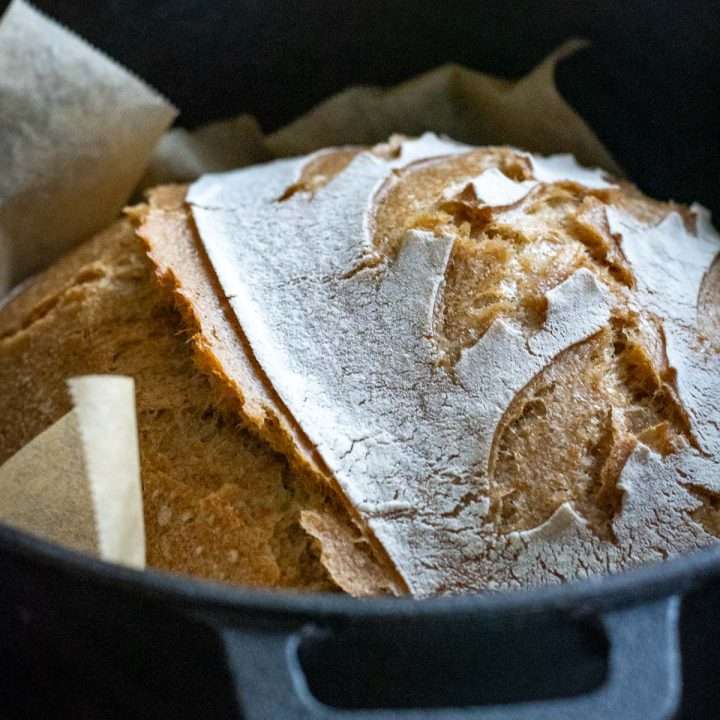
You can use stretch and fold method for almost any sourdough bread recipe whether or not you're adding mix-ins to your sourdough. Try our Seeded Sourdough or Flaxseed Sourdough Bread next. Here are some more of our favourite recipes to try:



More Sourdough Methods To Learn
Here are some more articles exploring the best ways to make great bread using your sourdough starter:
- Reading Your Sourdough Starter: What Bubbles, Smell and Rise Actually Tell You
- Best Flour For Sourdough Beginners: Starter Feeding & Bread
- How To Know When Sourdough Starter Is Ready And At Its Peak
- Sourdough Glossary For Beginners
- Sourdough Equipment For Beginners: The Tools I Actually Use
- Flour for Sourdough Baking: How to Choose The Right Type
- Why Bake Sourdough? A Great Hobby To Start In The New Year
- Falling Number In Flour: Why It Matters For Sourdough?









Leave a Reply